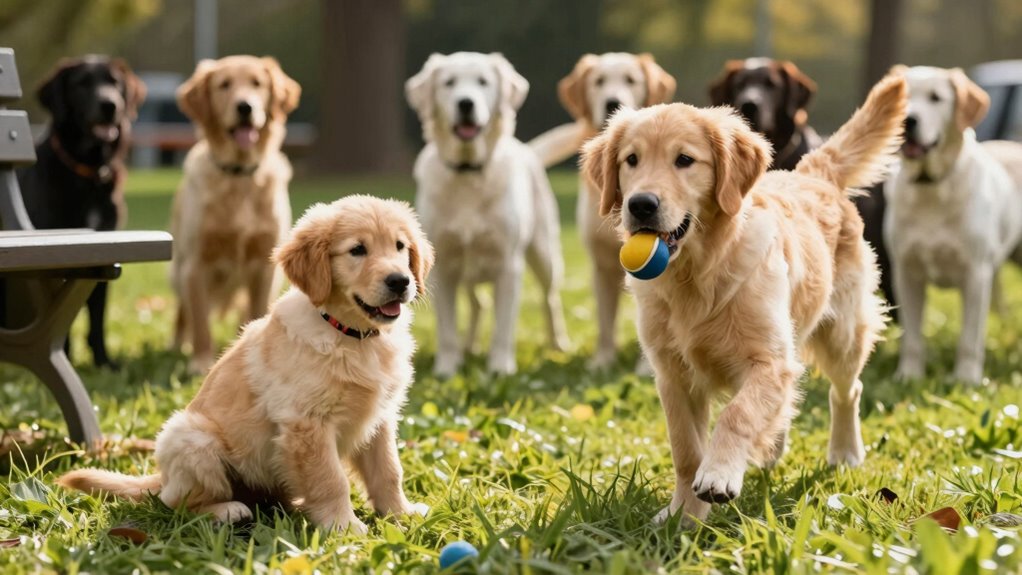

Understanding a dog’s breed group history helps you see how their natural instincts still influence daily behavior. For example, retrievers are enthusiastic to please and trained easily, while terriers are energetic and independent. These traits come from centuries of specific roles like hunting or guarding. Recognizing these roots allows you to better interpret their actions and meet their needs. Keep exploring to discover how this knowledge can improve your bond and care for your dog.
Key Takeaways
- Breed group history reveals innate instincts that influence daily behaviors and reactions.
- Genetic predispositions from historical roles shape a dog’s activity levels and responses.
- Understanding breed origins helps interpret and manage natural behaviors effectively.
- Breed traits rooted in history guide appropriate training, exercise, and socialization.
- Recognizing a breed’s background fosters stronger bonds through tailored care and interaction.
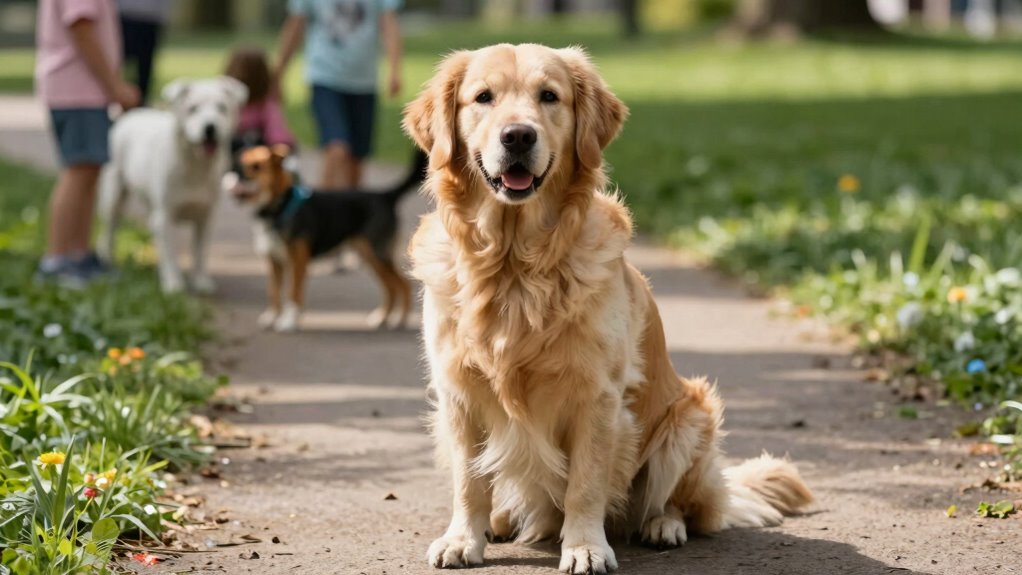
Understanding a dog’s breed group history can reveal a lot about its natural instincts and typical behaviors. When you look at a dog’s breed, you’re not just seeing its appearance—you’re also uncovering a story shaped by generations of specific roles and environments. These historical roles have a lasting impact, influencing how your dog interacts with the world today. For example, a breed that was bred for herding has genetic predispositions toward instinctual behaviors like circling or nipping at heels, behaviors that are deeply rooted in their history. Recognizing these tendencies helps you better understand your dog’s actions and manage them effectively.
Genetic predispositions are a core reason why breed groups display certain behaviors. Over centuries, humans selectively bred dogs for particular tasks, emphasizing traits that suited specific jobs. Retrievers, for example, were bred to fetch game without damaging it, which is why they tend to be enthusiastic to please and highly trainable. Conversely, terriers were bred to hunt and dig out pests, leading to a natural tendency to be energetic and independent. These inherited traits are not just quirks—they’re the result of deliberate breeding choices aimed at fulfilling particular roles. Knowing this allows you to tailor training, exercise, and mental stimulation to match your dog’s innate tendencies.
The historical roles that define each breed group also shape their social behaviors and environments. Working dogs, such as Doberman Pinschers or Boxers, were bred for protection and guarding, which often translates into alertness and wariness of strangers. Sporting breeds like setters and pointers are naturally inclined to be active and passionate to explore, reflecting their role in hunting and retrieving game. These roles created a behavioral blueprint that persists today, even if your dog no longer performs those tasks. Understanding these roots helps you interpret your dog’s reactions and cues more accurately, avoiding misjudging their instincts as mere stubbornness or disobedience. Additionally, knowing the evolutionary history of these breeds can help you provide appropriate environments that satisfy their natural needs. Recognizing the original purpose of a breed can also guide you in choosing suitable activities that align with their inherent instincts. Awareness of how breed history shapes their mental and physical needs can lead to more enriching activities and better overall wellbeing for your dog.
In essence, breed group history isn’t just about where a breed came from—it’s about why they behave the way they do today. Your dog’s genetic predispositions and historical roles continue to influence daily behaviors, making it essential to understand their background. When you recognize the origins behind their actions, you can foster a stronger bond, provide appropriate training, and ensure your dog’s needs are met. This knowledge not only helps in managing behavior but also enriches your relationship, giving you insight into the remarkable legacy behind your dog’s personality. Understanding breed group history can greatly enhance your ability to meet your dog’s specific needs. Recognizing the long-term impact of these traits helps you develop more effective training strategies that respect their natural instincts.

Doggie Language: A Dog Lover's Guide to Understanding Your Best Friend
As an affiliate, we earn on qualifying purchases.
As an affiliate, we earn on qualifying purchases.
Frequently Asked Questions
How Do Breed Groups Influence a Dog’s Training Needs?
Breed groups influence your dog’s training needs through their genetic predispositions. For example, herding breeds may excel with agility training, while sporting breeds respond well to fetch and obedience exercises. Understanding these tendencies helps you develop effective training strategies tailored to their innate skills and instincts. By aligning your approach with their breed group characteristics, you foster better communication, faster learning, and a stronger bond with your dog.
Can Mixed Breeds Inherit Behavior Traits From Different Groups?
Yes, mixed breeds can inherit behavioral traits from different groups, thanks to genetic diversity. When you observe a mixed breed dog, you might see a blend of behaviors typical of its parent breeds’ groups. This genetic diversity influences daily behavior, making each mixed breed unique. Understanding these traits helps you better train and care for your dog, recognizing that their actions are shaped by a combination of inherited behavioral traits from multiple breed groups.
Are Breed Groups Relevant for Adopting a Dog?
Breed groups are relevant when you’re adopting a dog because they act like a map guiding your expectations. Don’t fall for personality myths or breed stereotypes that might cloud your judgment, though. Knowing a dog’s breed group helps you understand potential behaviors and needs, making it easier to find a good match. It’s about finding the right puzzle piece, not judging the picture based on color alone.
Do Breed Groups Affect a Dog’s Lifespan or Health Issues?
Breed groups do affect a dog’s lifespan and health issues because of genetic predispositions and breed-specific illnesses. You should be aware that certain breed groups are prone to specific health problems, which can impact their longevity. Regular vet visits, proper nutrition, and early screenings help manage these risks. Understanding these genetic factors allows you to provide better care, potentially extending your dog’s health and lifespan.
How Do Breed Group Histories Impact Modern Breed Popularity?
Like a vintage vinyl, breed group histories still influence modern breed popularity through historical traits and cultural influences. You notice certain breeds gain popularity due to their role in history, such as herding or guarding, which appeals to current trends. These cultural influences, from media portrayals to national pride, shape your preferences, making some breeds more fashionable today. The enduring legacy of their past keeps certain breeds in the spotlight.

Best Pet Supplies Interactive Squeaky Dog Toy – Crinkle Duck, Yellow
- Soft, No-Stuffing Chew Toy: Gentle on teeth and gums
- Colorful Duck Shape: Available in 6 vibrant colors
- Mess-Free Design: No fluff or debris after play
As an affiliate, we earn on qualifying purchases.
As an affiliate, we earn on qualifying purchases.
Conclusion
Your dog’s breed history is like a timeless song, echoing through their daily actions. It’s the melody behind their instinctual behaviors, shaping how they react and connect. When you understand this, you’re tuning into a symphony written generations ago, now playing in your home. Embrace these instincts, for they’re the threads weaving your bond tighter and richer. In this dance of history and present, you and your dog create a story worth telling.

PETSTA Dog Puzzle Toys, Treat Dispensing Dog Enrichment Toys for IQ Training and Brain Stimulation, Interactive Mentally Stimulating Toys as Gifts for Puppies, Cats, Dogs
- Product Dimensions: 10 x 10 x 1.3 inches
- Multiple Play Modes: Three difficulty levels with squeak button
- Treat Dispenser: 16-hole slow feeder design
As an affiliate, we earn on qualifying purchases.
As an affiliate, we earn on qualifying purchases.

The Dog Encyclopedia (DK Pet Encyclopedias)
As an affiliate, we earn on qualifying purchases.
As an affiliate, we earn on qualifying purchases.