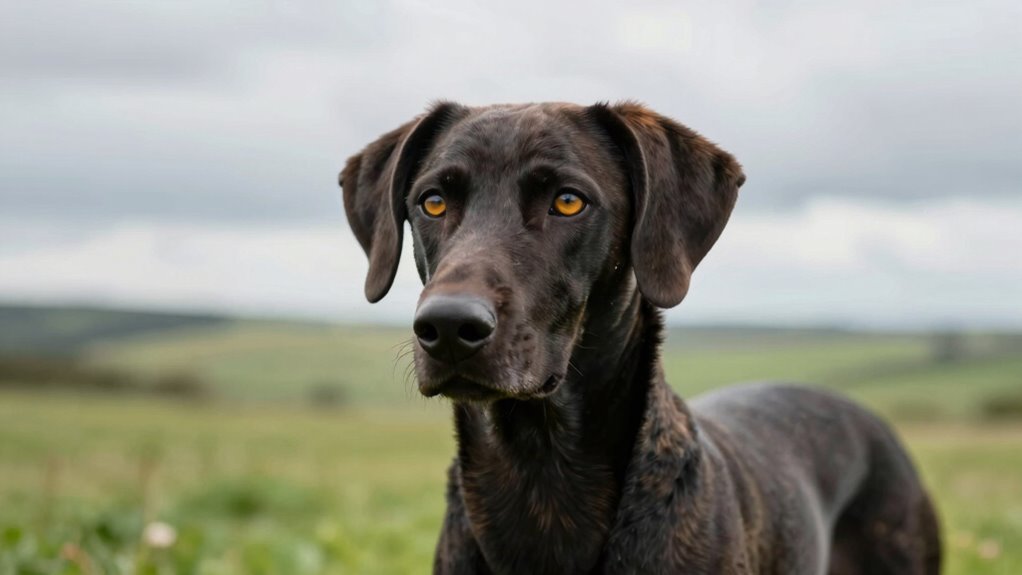

Your hound’s strongest trait that makes recall harder is their natural instinct to follow scents. This drive can override commands, especially when they find an enticing trail or scent mark. Their hunting instinct pushes them to explore, often ignoring recall cues. Scent marking further distracts them, delaying responses. To manage this, you need consistent training and special cues to prioritize recall. Keep going—there’s more to discover on how to better understand and train their instincts.

Get pet supplies delivered free — and shop member deals
- Fast, free delivery on millions of items
- Access to Prime Big Deal Days deals on October 6–7
- Prime Video, Amazon Music and more included
Key Takeaways
- Their strong scenting instinct drives hounds to follow trails, often overriding recall commands.
- Natural scent marking behaviors create distractions that interfere with training focus.
- Scent trails can be highly motivating, making it difficult for hounds to ignore appealing scents.
- Hounds’ eagerness to explore scents can delay or prevent immediate recall response.
- Their instinct to prioritize scent exploration makes consistent recall training more challenging.

If you’ve ever struggled with recall training in your hound, you’re not alone. Hounds are known for their incredible scenting ability, a trait that makes them excellent trackers but can also complicate recall. Their natural instinct to follow scents often overrides commands, especially if they’re motivated by a strong scent trail. The key to overcoming this challenge lies in understanding and managing their innate behaviors, particularly their tendency to scent mark and their need for consistent training.
Training consistency is crucial when working with hounds. These dogs thrive on routine and clear expectations. If your training sessions are inconsistent, your hound will become confused about what’s expected of them, making recall more difficult. You need to establish a solid, predictable training schedule. Use positive reinforcement every time your hound responds to recall commands, and practice in different environments to solidify their understanding. Over time, consistent training helps your hound associate recall with rewards, reducing the likelihood they’ll ignore commands when they’re tracking a scent.
Consistent training and positive reinforcement build reliable recall, even amid enticing scents and scent marking behaviors.
Scent marking is another trait that influences recall. Hounds often stop to scent mark, which is their way of communicating and exploring their environment. This behavior can stall their response to recall commands because they get distracted by interesting smells or feel compelled to investigate scent marks, sometimes for long periods. To combat this, you can train your hound to understand that recall commands take precedence over scent marking. One effective method is to teach a specific cue that signals them to come immediately, even when they’re engaged in scent-related activities. Reward them generously when they respond promptly, reinforcing the idea that coming back to you is more rewarding than scent marking.
You also want to limit opportunities for excessive scent marking during training sessions. Keep training areas clean and free of strong scents that might tempt your hound to stop and scent mark. When outside, try to monitor their behavior and gently redirect them if they start to scent mark during recall practice. Additionally, understanding that scenting instinct is a natural behavior can help you be more patient and strategic in your training approach. Incorporating training techniques that address their natural behaviors will yield better results over time. Recognizing that natural instincts**** are hardwired can help you tailor your training methods more effectively, ensuring your hound learns to prioritize recall despite their instincts.
Furthermore, using distraction training to gradually expose your hound to more enticing scents while practicing recall can strengthen their ability to focus on commands despite distractions. Patience and consistent practice are essential, as reinforcing positive behaviors over time will help your hound develop better focus even amidst the powerful scent trails that naturally attract them. Over time, patience and repetition will help your hound learn that responding to recall commands is always worth their while, even when they’re tempted by enticing scents.
Ultimately, understanding your hound’s natural instincts and applying consistent training techniques will make recall easier over time. Recognize that their scenting and scent marking behaviors are hardwired, but with patience and persistence, you can teach them that coming back to you is the most rewarding and safest choice, even amidst the alluring world of scents.
hunting dog recall training collar
As an affiliate, we earn on qualifying purchases.
As an affiliate, we earn on qualifying purchases.
Frequently Asked Questions
Can Training Techniques Improve Hounds’ Recall in Challenging Environments?
Yes, training techniques can improve your hound’s recall even in challenging environments. By using advanced recall strategies, you teach your dog to focus despite environmental distractions. Consistent practice, positive reinforcement, and gradually increasing distractions help strengthen their recall skills. Over time, your hound learns to prioritize your command over external stimuli, making recall more reliable and less stressful, even in busy or distracting settings.
Does Age Affect a Hound’s Recall Ability?
As a dog owner, you’ll notice that about 70% of senior dogs experience age-related decline in recall ability. Older hounds often struggle with senior dog memory, making it harder for them to remember commands or respond promptly. You should adjust training techniques, use positive reinforcement, and keep sessions short to help maintain your hound’s recall skills as they age. Patience and consistency are key to supporting your dog’s memory.
Are Certain Hound Breeds More Prone to Recall Issues?
Yes, certain hound breeds are more prone to recall issues due to their breed temperament and strong Hound scenting instincts. Breeds like Beagles and Bloodhounds have a keen sense of smell, making them easily distracted by scents, which can hinder recall. Their natural drive to follow scents often overrides commands, so understanding their instincts helps you tailor training. Patience and consistent training are key to improving recall in these scent-driven breeds.
How Long Does It Typically Take to Improve Recall With Training?
It usually takes anywhere from a few weeks to several months to see real progress in recall, depending on your training consistency and patience techniques. Expect your hound to test boundaries, ignore commands, and generally act like they’re auditioning for a comedy show. Stick with regular, positive training sessions, stay patient, and celebrate small wins. Eventually, your pup will come running—probably just in time for a treat or a good laugh.
What Are Common Mistakes That Hinder Recall Training?
You might struggle with recall training if you let recall distractions persist or don’t maintain training consistency. Ignoring distractions like other animals or noises makes it harder for your dog to focus. Additionally, inconsistent training sessions confuse your dog, slowing progress. To improve, eliminate distractions during recall practice and stick to a regular training schedule. This helps your dog learn faster and builds reliable recall, even in challenging environments.
As an affiliate, we earn on qualifying purchases.
Conclusion
Remember, just like Odysseus steering treacherous waters, understanding your hound’s traits can be the key to smoother recall. Embrace patience and tailor your training, knowing that each challenge is a part of your journey—your own Ithaca. With persistence, you’ll tame the wildest instincts and turn perceived obstacles into opportunities for growth. Ultimately, mastery isn’t about never faltering, but about learning to find your way back, no matter how stormy the seas.
positive reinforcement dog training treats
As an affiliate, we earn on qualifying purchases.
As an affiliate, we earn on qualifying purchases.
As an affiliate, we earn on qualifying purchases.
Fall Picks
fall essentials
As an affiliate, we earn on qualifying purchases.