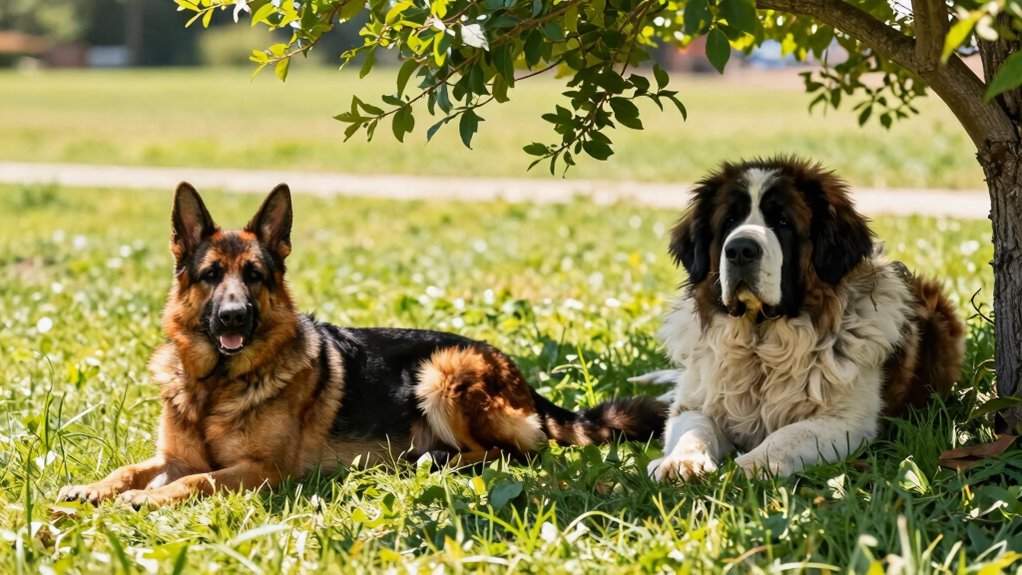

Your breed’s heat tolerance depends on its genetic traits, which vary widely. For example, breeds native to hot environments have features like thinner coats, lighter skin, or larger ears that help dissipate heat. Meanwhile, breeds from cooler regions may struggle in high temperatures due to dense coats or thicker skin. Understanding these differences can help you choose the right breed for hot climates and manage them effectively, with more insights waiting just ahead.
Key Takeaways
- Different breeds possess genetic traits that influence their ability to dissipate heat effectively.
- Physical features like coat density and ear size vary among breeds, affecting heat tolerance.
- Breeds native to hot climates are naturally more resilient to heat stress than those from cooler regions.
- Management practices should be tailored to breed-specific heat tolerance levels to ensure animal welfare.
- Conservation efforts focus on preserving heat-adapted breeds to combat climate change impacts.
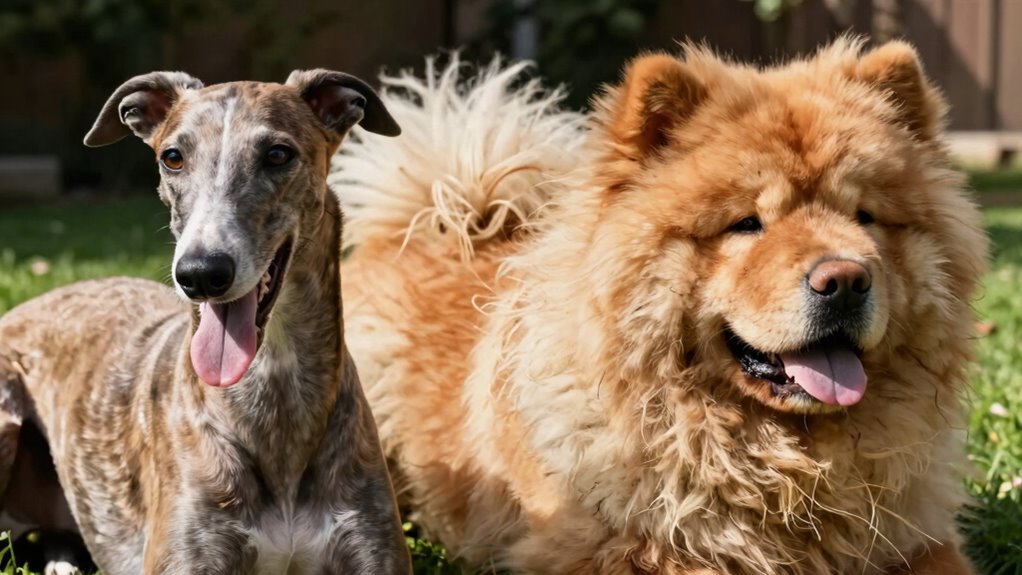
Have you ever wondered why some breeds handle hot weather better than others? It all comes down to genetic adaptation, which shapes a breed’s resilience to extreme temperatures. Over generations, certain breeds have evolved traits that help them cope with heat, making them more comfortable and healthier in warmer climates. When animals naturally adapt to their environment, they develop specific physical and physiological features that boost their ability to regulate body temperature and withstand heat stress. This process of breed resilience means that some breeds are inherently better suited for hot weather, while others struggle to cope, risking dehydration, heat exhaustion, or even heatstroke.
Genetic adaptation makes some breeds naturally more resilient to heat, ensuring better comfort and health in warm climates.
Genetic adaptation is at the core of why these differences exist. Breeds that have thrived in hot environments typically possess traits like thinner coats, lighter skin pigmentation, or increased sweat gland activity. These features help them dissipate heat more efficiently. For example, breeds native to deserts or tropical regions often have larger ears or longer limbs, which promote better heat dissipation. Conversely, breeds developed in cooler regions tend to have dense coats and thicker skin that insulate against cold, but make them less efficient at shedding excess heat. Such adaptation traits are passed down through generations, cementing breed resilience as an inherited advantage or disadvantage depending on climate. Recognizing these traits can help you better understand how animals respond to their environment and why certain breeds are more suitable for specific climates. Additionally, understanding these genetic factors can assist in developing breeding programs aimed at enhancing heat tolerance.
Understanding this variability is essential if you’re planning to keep animals in hot climates. You can’t assume that a breed suited for cooler weather will perform well in the heat. Instead, selecting breeds with proven heat tolerance can make a significant difference in animal welfare and productivity. Recognizing the importance of genetic adaptation helps you make informed decisions—whether you’re managing livestock, working with athletic animals, or caring for pets. It also highlights the importance of considering climate-specific traits when choosing a breed, which can impact their overall health and performance. It’s not just about choosing a breed based on appearance or productivity, but also about understanding their natural resilience to heat.
In essence, breed resilience is a product of evolution and selective breeding that enhances specific traits for survival in hot environments. This resilience influences how well an animal can handle high temperatures and maintain health and performance. When you’re aware of these differences, you can tailor your management practices—like providing shade, water, and proper ventilation—to support the breed’s natural strengths. Appreciating the role of genetic adaptation helps you create a more comfortable, stress-free environment for your animals, no matter how hot it gets outside. Recognizing the role of genetic adaptation can also guide conservation efforts for breeds endangered by climate change.
dog cooling vest for hot weather
As an affiliate, we earn on qualifying purchases.
As an affiliate, we earn on qualifying purchases.
Frequently Asked Questions
How Can I Improve Heat Tolerance in Less Adapted Breeds?
To improve heat tolerance in less adapted breeds, you can focus on nutritional strategies like providing electrolyte supplements and cooling diets. Additionally, genetic modification techniques can help enhance heat resistance traits over time. Guarantee proper shade and ventilation to reduce stress, and consider selective breeding to incorporate heat-tolerant genes. Combining these approaches boosts resilience, helping your animals better withstand hot conditions and maintain health and productivity.
Are There Specific Environmental Adjustments for Heat-Sensitive Breeds?
Yes, you should create a cooler environment for heat-sensitive breeds by improving airflow and providing shade. Incorporate environmental enrichment like water misters or cooling mats to help regulate body temperature. Maintaining genetic diversity in your herd allows you to select for better heat tolerance over time. These adjustments help reduce stress and keep your animals comfortable, ensuring their health and productivity during hot weather.
What Signs Indicate a Breed Is Struggling With Heat Stress?
You can tell a breed is struggling with heat stress when you notice signs like excessive panting, drooling, or rapid breathing. Breed adaptability plays a big role, so some breeds show heat stress symptoms more quickly than others. Watch for lethargy, weakness, or reluctance to move, as these are clear indicators. Recognizing these signs early helps you take swift action to cool your animals and prevent further health issues.
Does Breed Size Affect Heat Tolerance Significantly?
Think of breed size like a car’s engine — bigger engines need more cooling. Larger animals generally have lower heat tolerance because their breed genetics and size make it harder to dissipate heat efficiently. In hot climates, small breeds often handle the heat better due to faster heat dissipation and better climate adaptation. So, yes, breed size considerably influences heat tolerance, especially when considering the animal’s genetic makeup and environmental conditions.
Are There Genetic Markers for Heat Tolerance in Certain Breeds?
Yes, there are genetic markers linked to heat tolerance in certain breeds. These markers help identify breed adaptations that make some animals better suited to hot climates. By studying these genetic markers, you can determine which breeds have naturally evolved traits for heat resistance. This knowledge assists in selecting breeds for specific environments, ensuring animals stay healthier and more comfortable in hot conditions, ultimately improving their overall well-being.
breed-specific heat tolerance pet accessories
As an affiliate, we earn on qualifying purchases.
As an affiliate, we earn on qualifying purchases.
Conclusion
As the sun blazes overhead, you notice each breed’s unique dance with the heat—some stride through the warmth with ease, their coats shimmering like a mirage, while others seek shade, their breathing heavy like distant thunder. Understanding these differences helps you protect each one, ensuring they can thrive even under the relentless sky. By respecting their unique heat tolerance, you nurture resilience and harmony, turning the scorching days into a gentle, rhythmic flow of care and comfort.
As an affiliate, we earn on qualifying purchases.
As an affiliate, we earn on qualifying purchases.