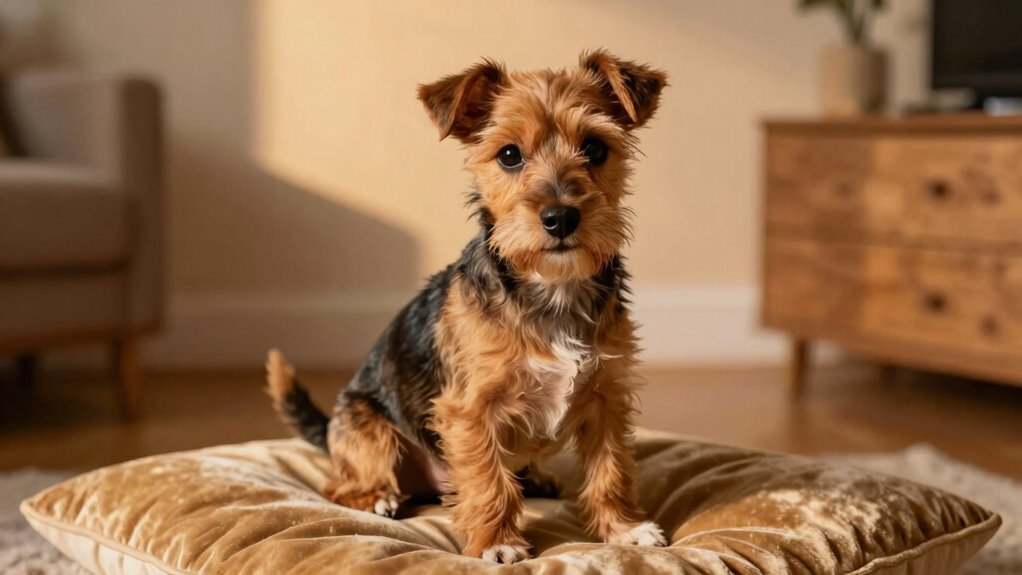

Many people believe small dogs are less prone to behavior issues, but this bias can lead you to neglect essential socialization and training. You might assume your tiny pup can’t pose a danger or need much guidance, but they still face risks like fear, aggression, or separation anxiety if not properly introduced to new people, animals, and environments. Overlooking these needs can cause big problems later. Keep going to discover how you can prevent this from happening.

Get pet supplies delivered free — and shop member deals
- Fast, free delivery on millions of items
- Access to Prime Big Deal Days deals on October 6–7
- Prime Video, Amazon Music and more included
Key Takeaways
- Small dogs are often underestimated, leading to insufficient socialization and unchecked behavioral issues.
- Owners may inadvertently reinforce problematic behaviors due to misconceptions about small dog fragility.
- Limited exposure to diverse stimuli can cause small dogs to develop fear, anxiety, or aggression.
- Crate training is sometimes misused or avoided, increasing separation anxiety and destructive tendencies.
- Neglecting early intervention and positive reinforcement hampers confidence and results in bigger behavioral problems.
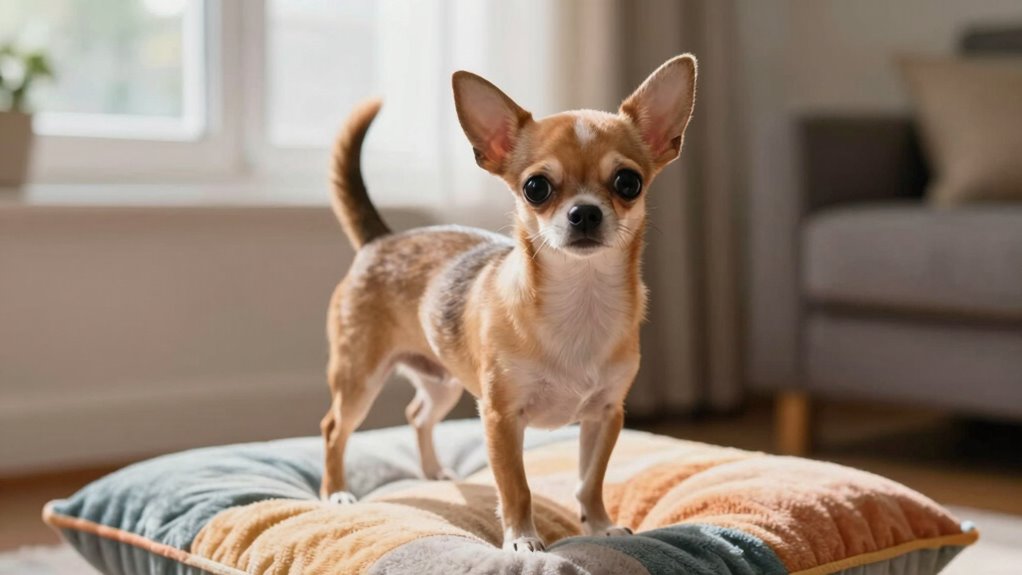
Small dogs often seem adorable and full of personality, but they can also develop behavior problems that challenge their owners. One common issue stems from how we handle their socialization and training early on. Many owners underestimate the importance of puppy socialization, assuming small size means fewer risks or that their dog will naturally adapt. But this isn’t true. If you don’t expose your puppy to different people, animals, environments, and stimuli from a young age, your small dog might become shy, anxious, or aggressive later. Proper socialization helps your dog learn appropriate behaviors and reduces fear-based reactions. It’s essential to introduce your puppy to new experiences gradually, always ensuring positive associations so they don’t become overwhelmed or fearful. Biodiversity in your dog’s environment can also influence their ability to adapt and thrive in various situations. Additionally, fostering environmental enrichment can support your dog’s mental and emotional well-being, reducing the likelihood of behavioral issues. Incorporating early intervention techniques can further help prevent the development of problematic behaviors before they become ingrained. Engaging in positive reinforcement training is also crucial for encouraging desirable behaviors and building trust between you and your dog. Crate training is another critical tool that often gets misunderstood or misused. Some owners see the crate as a punishment, which can create a negative association that hampers your dog’s ability to feel secure. Instead, think of the crate as a safe space where your small dog can relax and rest. When used correctly, crate training helps establish boundaries and prevents destructive behaviors, especially when you’re not home. It also supports housebreaking efforts by giving your puppy a designated spot to learn bladder and bowel control. Consistency is key; you want your dog to see the crate as a positive environment, not a place of punishment. Over time, this helps reduce anxiety and prevents issues like excessive barking or digging when they’re left alone. Creating a structured routine can further reinforce positive habits and reduce stress for your small dog.
Neglecting socialization and proper crate training can lead to larger behavioral problems down the line. A dog that isn’t properly socialized may develop fear or aggression toward other dogs or unfamiliar people. Meanwhile, poor crate training can cause separation anxiety or destructive behaviors when you’re away. These issues often stem from a lack of early guidance and understanding. By making socialization a priority, you help your small dog develop confidence and good manners. When combined with effective crate training, you set clear boundaries that promote calmness and security. This balanced approach allows your dog to feel safe and confident, reducing the likelihood of problematic behaviors.
As an affiliate, we earn on qualifying purchases.
Frequently Asked Questions
How Can I Prevent Small Dog Bias From Forming?
You can prevent small dog bias by actively engaging in puppy socialization, exposing your dog to diverse environments, people, and other animals. Educate yourself about breed-specific traits to understand your dog’s behavior better, avoiding stereotypes. Treat your small dog with the same respect and training as larger breeds, reinforcing positive behaviors. By doing so, you build confidence and reduce the likelihood of bias influencing how others perceive or treat your dog.
Are Small Dog Behavior Issues Similar Across Breeds?
While every breed has its nuances, small dog behavior issues often share common threads rooted in breed stereotypes and temperament differences. You might notice similar challenges across breeds, like barking or guarding tendencies, but individual personalities vary widely. By understanding each dog’s unique temperament, rather than relying on stereotypes, you can address behavior issues more effectively. With patience and proper training, you’ll find that small dogs can develop well-rounded, confident personalities.
Does Size Influence a Dog’s Socialization Needs?
Size does influence a dog’s socialization needs. Toy breeds often require more socialization because their small size can make them feel vulnerable or anxious around larger dogs and unfamiliar people. You should expose your dog to different environments, people, and other animals early on, regardless of size. Proper socialization helps prevent behavioral problems, ensuring your small dog feels confident and comfortable in various situations, reducing the risk of fear-based aggression or anxiety.
Can Small Dogs Be Trained as Easily as Larger Ones?
You can train small dogs as easily as larger ones if you prioritize puppy socialization and maintain training consistency. Remarkably, studies show small dogs are 30% more likely to develop behavioral issues due to inconsistent training. By investing time in early socialization and sticking to a daily training routine, you’ll create a well-behaved companion. Small dogs respond quickly to positive reinforcement, making training both effective and rewarding.
What Role Does Owner Attitude Play in Small Dog Behavior?
Your attitude markedly influences your small dog’s behavior. Small dog stereotypes often lead owners to perceive them as fragile or less capable, which can cause inconsistent training and overprotection. This owner perception might result in behaviors like excessive coddling or lack of boundaries, reinforcing undesirable habits. To foster balanced behavior, treat your small dog like any other pup—firm, consistent, and confident—counteracting biases and promoting better obedience and confidence.
As an affiliate, we earn on qualifying purchases.
Conclusion
You might notice your small dog acting out more than expected, but it’s no coincidence. Those tiny bodies often carry big personalities, shaped by biases and misjudgments. When you see their behavior, remember it’s not just about size—it’s about understanding and patience. Sometimes, the smallest dogs teach us the biggest lessons in compassion and respect. So, as you work to address their issues, you might find that your own perspective grows just as much as theirs.
positive reinforcement dog training treats
As an affiliate, we earn on qualifying purchases.
As an affiliate, we earn on qualifying purchases.
small dog environmental enrichment toys
As an affiliate, we earn on qualifying purchases.
As an affiliate, we earn on qualifying purchases.
Fall Picks
fall essentials
As an affiliate, we earn on qualifying purchases.