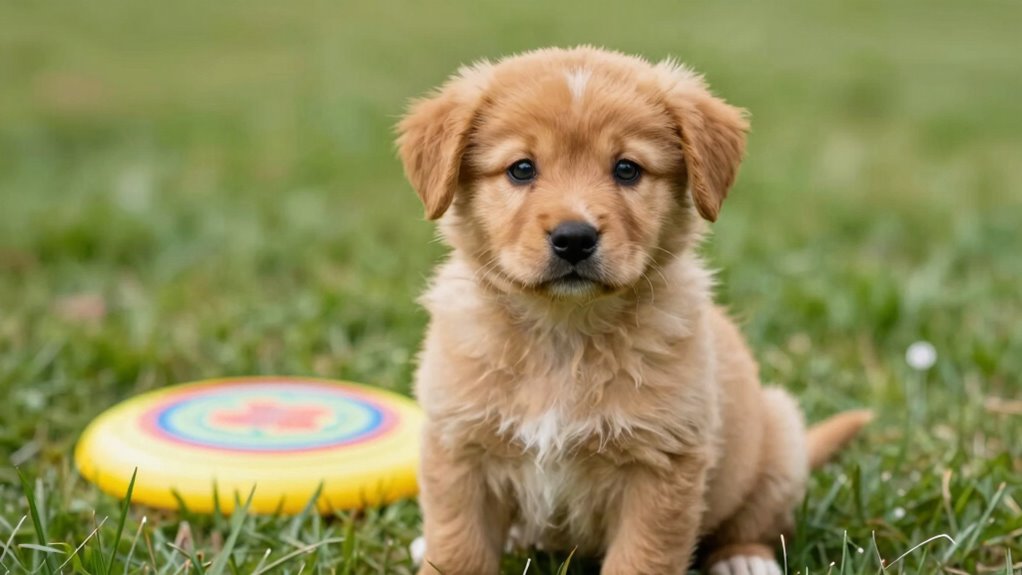

Start with basic cues like sit, stay, come, down, and heel to build a solid foundation. Add commands like leave it, wait, okay, leash, and settle to promote safety and good manners. Consistently practicing these helps your puppy understand expectations and feel secure. Incorporate positive reinforcement and practice in different environments. Mastering these initial cues will help everything else fall into place as you continue your journey together. Keep exploring for more helpful tips.
Key Takeaways
- Focus on basic commands like sit, stay, and come for effective communication and safety.
- Teach cues that support house training, such as “leave it” and “crate.”
- Incorporate socialization cues to introduce puppies to new people and environments confidently.
- Use positive reinforcement consistently to strengthen understanding and build trust.
- Practice cues in various settings to ensure reliability in different situations.
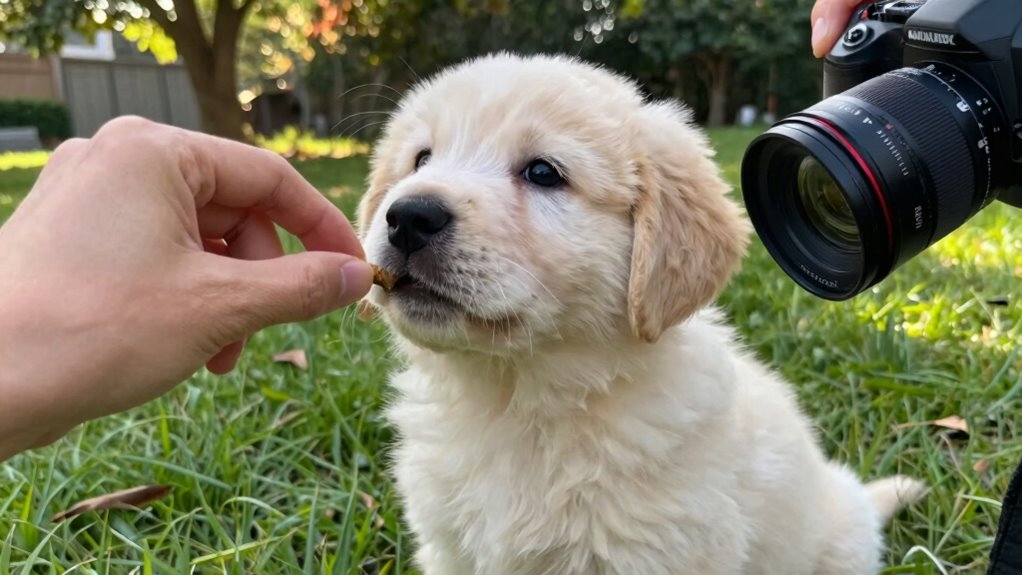
Teaching your puppy basic cues is essential for establishing good behavior and a strong bond. These cues serve as the foundation for effective communication, making it easier to guide your puppy through daily routines and help them understand what you expect. When you start with simple commands like sit, stay, and come, you’re not just teaching manners—you’re also setting the stage for puppy socialization and safety. Socialization is crucial early on, exposing your puppy to different people, animals, and environments. Proper socialization helps prevent fearfulness and aggression later in life, so incorporate gentle introductions to new experiences alongside cue training. As you work on cues, remember that consistency and patience are key. Use clear, simple words and a calm tone, and always reward your puppy for correct responses to reinforce learning. Incorporating consistent cues helps your puppy understand expectations more quickly and effectively.
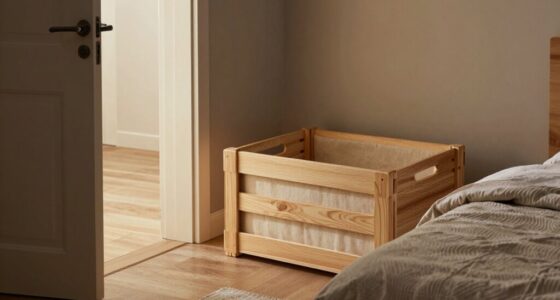
Crate training tips are vital during the early stages of your puppy’s development. A crate becomes a safe space for your pup and a useful tool for housebreaking and managing behavior. When teaching your puppy cues, pair commands with crate training by encouraging them to go into the crate on command, such as “crate” or “bed.” This helps your puppy associate the crate with positive feelings and makes it easier to manage their environment. Keep crate sessions short and gradually increase the time, ensuring your puppy remains comfortable and never feels trapped. Consistent crate training also promotes confidence, as it helps your puppy learn boundaries and develop independence. Additionally, positive reinforcement techniques during crate and cue training create a calm and trusting environment for your puppy. Incorporating proper sterilization and cleaning practices for your puppy’s environment can help prevent the spread of germs and keep them healthy. Combining crate training tips with cue training helps create a structured routine that promotes discipline and security.
The first cues you teach should be simple and consistent. Commands like “sit,” “come,” and “leave it” are essential for safety and daily life. For example, training your puppy to come when called ensures they’re safe when off-leash, while teaching “leave it” can prevent them from picking up dangerous or unwanted items. When practicing these cues, always use positive reinforcement—praise, treats, or play—to motivate your puppy. Short, frequent training sessions work best, and always end on a positive note. Make sure to practice in different settings to solidify understanding and foster adaptability. Developing a training routine early on can help your puppy learn faster and build good habits that last a lifetime.

BARKIE Dog Training Kit – Treat Pouch, Pet Training Fanny Pack, 2 Puppy Training Clickers, Ultrasonic Silent Whistle, 2-in-1 Whistle Clicker, Clicker Training Guide Booklet, Dog Poop Bag (Black)
【Rich Dog Training Kit】 Includes a training waist bag, a silicone dog treat bag, 2 dog training clickers…
As an affiliate, we earn on qualifying purchases.
As an affiliate, we earn on qualifying purchases.
Frequently Asked Questions
How Long Does It Typically Take to Teach a Puppy Basic Cues?
It usually takes a few weeks to teach your puppy basic cues like sit, stay, and come, but consistent training is key. During this time, focus on puppy socialization and crate training, which help your pup feel secure and confident. Be patient and clear with your commands, practicing daily. Remember, every puppy learns at their own pace, so celebrate small successes along the way.
What Are Common Mistakes to Avoid When Training a Puppy?
When training your puppy, avoid common mistakes like rushing house training or skipping crate training. Don’t punish them for accidents; instead, be patient and consistent. Overlooking crate training can lead to anxiety or bad habits. Also, don’t use harsh corrections or inconsistent commands. Instead, reward good behavior and establish clear routines. Staying patient, consistent, and positive helps your puppy learn faster and builds trust.
How Can I Keep My Puppy Motivated During Training Sessions?
Did you know puppies learn best when they’re having fun? To keep your pup motivated, incorporate puppy play and choose the right toy selection. Use engaging toys that excite your puppy, making training sessions feel like playtime. Switch up toys regularly to prevent boredom, and reward with praise or treats afterward. Your enthusiasm and variety will help your puppy stay energized and enthusiastic to learn, turning training into a positive experience.
When Is the Best Age to Start Training a Puppy?
You should start training your puppy as early as 7 to 8 weeks old, because this is when they’re most receptive to learning and socialization. Early puppy socialization is essential to prevent behavioral issues later, and introducing crate training helps establish boundaries. Keep sessions short and positive, focusing on basic cues, so your puppy stays motivated and confident as they grow.
Do Different Breeds Respond Better to Certain Cues?
Yes, different breeds respond better to certain cues because of breed-specific communication. For example, herding breeds might respond well to commands involving movement, while retrievers excel with reward-based cues. Understanding these breed traits helps you tailor your training for better adaptability. By recognizing each breed’s unique tendencies, you enhance your training effectiveness, making learning easier and more enjoyable for your puppy.

How to Housebreak Your Dog in 7 Days (Revised)
As an affiliate, we earn on qualifying purchases.
As an affiliate, we earn on qualifying purchases.
Conclusion
Teaching your puppy these first 10 cues is like planting seeds in a garden—you’ll nurture trust, understanding, and good behavior that bloom over time. With patience and consistency, you’ll watch your pup grow into a well-behaved companion, transforming your bond into a sturdy tree of mutual respect. Remember, every cue you teach is a stepping stone on this rewarding journey, turning tiny paws into confident, happy footsteps that lead you both toward a lifetime of companionship.

Jugbow Dog Shock Collar – 4500FT Dog Training Collar with Remote, IPX8 Waterproof Electric Dog Collar with 4 Training Modes, Security Lock, Rechargeable eCollar for 10-120lbs Small Medium Large Dogs
[4 Effective Training Mode – Recall & Correct Unwanted Dog Behavior] Featuring advanced Safe-Tech with 4 modes: Beep(1-8),…
As an affiliate, we earn on qualifying purchases.
As an affiliate, we earn on qualifying purchases.

Dog Training Clicker with Sring Wrist and Keyring – Pet Dog Training Clickers for Puppy, Cat, Potty, Bird, Horse, Pet, Trainer Training Tools, Behavior Aids
New communication tool about you and your puppy.
As an affiliate, we earn on qualifying purchases.
As an affiliate, we earn on qualifying purchases.