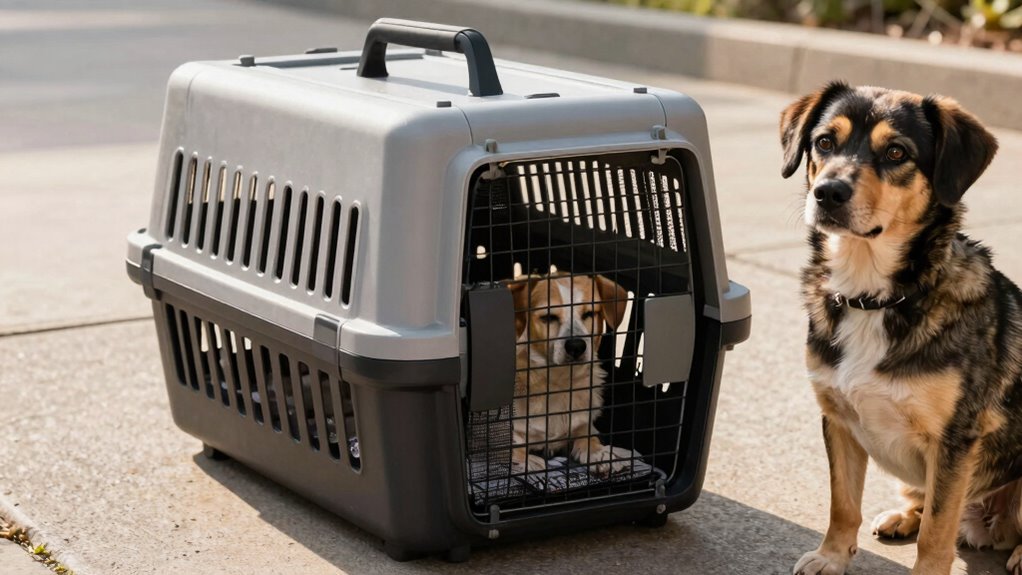

Rolling carriers help some dogs because they provide a comfortable, secure space and make travel more convenient, especially for those who enjoy movement or feel calm in enclosed spaces. However, others may find them stressful due to past experiences, unfamiliar environments, or anxiety about confinement. Signs of stress include whining or escape attempts, so understanding your dog’s temperament is key. If you want to discover how to make carriers work for your dog, keep exploring for helpful tips.

Get pet supplies delivered free with Prime
- Fast, free delivery on millions of items
- Prime Video, Amazon Music and more included
- Member-only deals all year
Key Takeaways
- Some dogs enjoy the movement and novelty of rolling carriers, finding them stimulating and comforting.
- Others experience stress due to confinement, unfamiliar environments, or past negative travel experiences.
- Proper ventilation and secure fit in carriers influence comfort, reducing anxiety for some dogs and increasing it for others.
- Gradual acclimation and positive associations help calm anxious dogs and improve their response to carriers.
- Individual temperament and previous travel experiences determine whether a rolling carrier is a soothing or stressful tool.
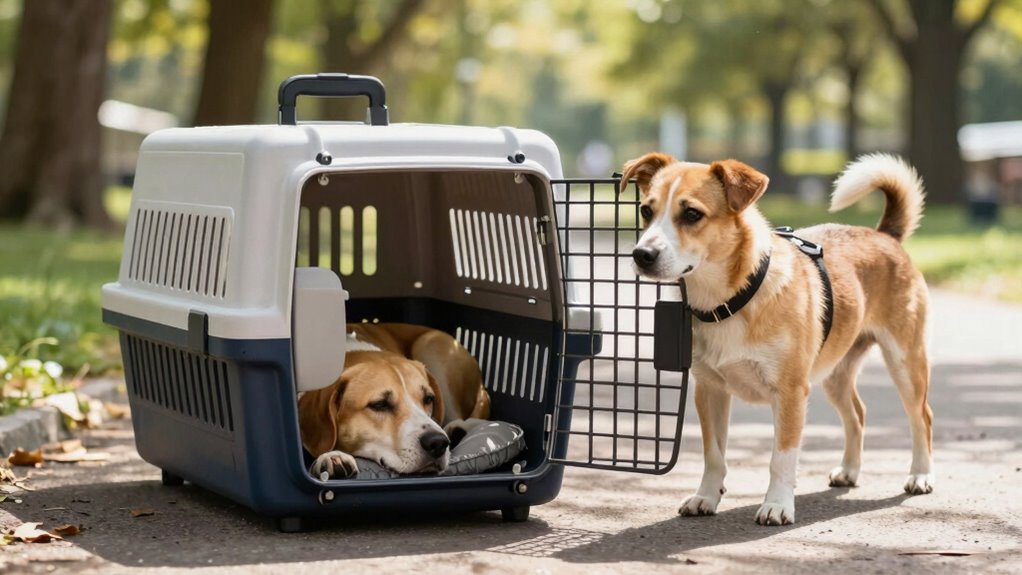
If you’re looking for a convenient way to bring your dog along on outings, rolling carriers offer a practical solution. These carriers make it easier to transport your pet without the struggle of carrying them by hand or relying solely on a leash. But whether your dog enjoys a rolling carrier or finds it stressful depends on several factors, including their personality and past experiences. Understanding why rolling carriers help some dogs and stress others can help you choose the right carrier and guarantee a positive experience for your furry friend.
Dog travel safety is a top priority when using a rolling carrier. You want to make sure your dog feels secure inside the carrier, especially during movement or sudden stops. A well-designed carrier with secure closures and proper fit helps prevent your dog from escaping or falling out. If your dog is nervous or tends to jump around, you might need to introduce the carrier gradually, letting them explore it in a comfortable environment first. Properly secured carriers reduce the risk of injury and give both you and your dog peace of mind during travel. Additionally, gradually acclimating your dog to the carrier can help reduce their stress and improve their overall experience. Recognizing and addressing dog comfort factors early can make a significant difference in their acceptance of the carrier.
Carrier ventilation considerations are equally important. Dogs can become uncomfortable or stressed if they don’t get enough airflow, especially in warm or humid weather. Carriers with good ventilation have multiple mesh panels or open sides that allow fresh air to circulate. If your dog tends to get anxious in confined spaces or if the carrier is poorly ventilated, they may become overwhelmed or distressed. Conversely, some dogs prefer the feeling of being enclosed, especially if they’re used to small spaces or find it calming. Paying attention to your dog’s comfort with ventilation can make a significant difference in whether they view the carrier as a safe haven or a source of stress. Additionally, understanding dog temperament and how they respond to different environments can help tailor the travel experience. Some dogs adapt quickly to rolling carriers because they enjoy the ride or find the movement soothing. Others may find the sensation unsettling or unfamiliar, especially if they’re not used to being confined or transported in this manner. An anxious or stressed dog might try to escape, whine, or refuse to enter the carrier, making outings more challenging. Recognizing signs of stress and addressing them early can help ensure a smoother travel experience. On the other hand, a calm and curious dog might take to it easily, viewing it as an extension of their safe space. Your dog’s temperament, previous experiences, and how you introduce the carrier all influence their reaction.
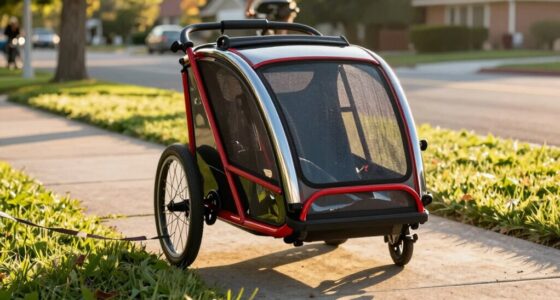
dog rolling carrier with ventilation
As an affiliate, we earn on qualifying purchases.
As an affiliate, we earn on qualifying purchases.
Frequently Asked Questions
Are Rolling Carriers Suitable for All Dog Breeds?
Rolling carriers aren’t suitable for all dog breeds. Breed compatibility plays a big role; small, calm breeds often do well, while larger or more energetic breeds might find them restrictive. You can consider carrier customization to improve comfort, but always prioritize your dog’s specific needs. If your dog feels stressed or confined, a rolling carrier might not be the best choice. Always observe your dog’s reactions and consult your vet for personalized advice.
How Do I Introduce My Dog to a Rolling Carrier?
To introduce your dog to a rolling carrier, start by making it a positive experience. Place the carrier in your home, open the door, and let your dog explore it comfortably. Use soft, breathable carrier materials to guarantee dog comfort. Gradually encourage your dog to enter, rewarding with treats and praise. Keep initial sessions short and calm, building trust and helping your dog associate the carrier with safety and comfort.
Can Rolling Carriers Be Used for Long Trips?
Rolling carriers can be great for long trips, especially if you’re maneuvering airports or busy stations. They offer added mobility and comfort, making air travel easier for your pup. Just make certain the carrier’s design prioritizes your dog’s comfort, with enough space and ventilation. For extended journeys, consider adding familiar items like a favorite blanket to help ease your dog’s stress. Always check airline regulations before traveling!
What Safety Features Should I Look for in a Carrier?
When choosing a carrier, prioritize pet security by selecting one with secure zippers and sturdy materials. Look for excellent carrier ventilation to keep your dog comfortable and prevent overheating. Safety features like non-slip bottoms and secure locking mechanisms also guarantee stability during travel. These elements help protect your pet, reduce stress, and make your journey safer and more enjoyable for both of you.
Do Rolling Carriers Help Reduce Travel Anxiety?
Rolling carriers can help reduce travel anxiety by providing a stable, familiar environment for your dog. Their smooth-rolling wheels make it easier to navigate, minimizing sudden jolts that might stress your pet. Look for good carrier ventilation to keep your dog comfortable and guarantee proper airflow. When your dog feels secure and relaxed in a well-ventilated carrier, their travel anxiety often decreases, making journeys calmer for both of you.
As an affiliate, we earn on qualifying purchases.
Conclusion
In the end, whether a rolling carrier helps or stresses your dog depends on understanding your dog’s unique needs. Observe their reactions, respect their comfort, and adapt your approach. Be patient, be attentive, be flexible—because what soothes one dog may unsettle another. By tuning into your dog’s cues, you’ll build trust, reduce anxiety, and create positive experiences. Remember, your attentiveness makes all the difference—because every dog deserves a carrier that comforts, not confuses.
As an affiliate, we earn on qualifying purchases.
As an affiliate, we earn on qualifying purchases.
Columbus Day / Indigenous Peoples' Day Picks
long weekend sales
As an affiliate, we earn on qualifying purchases.