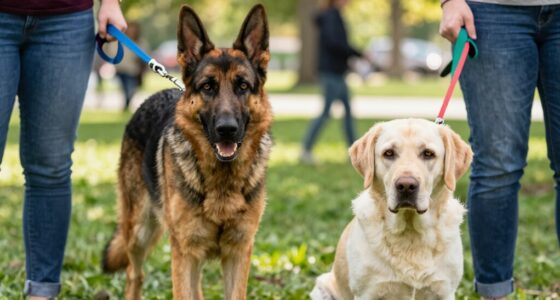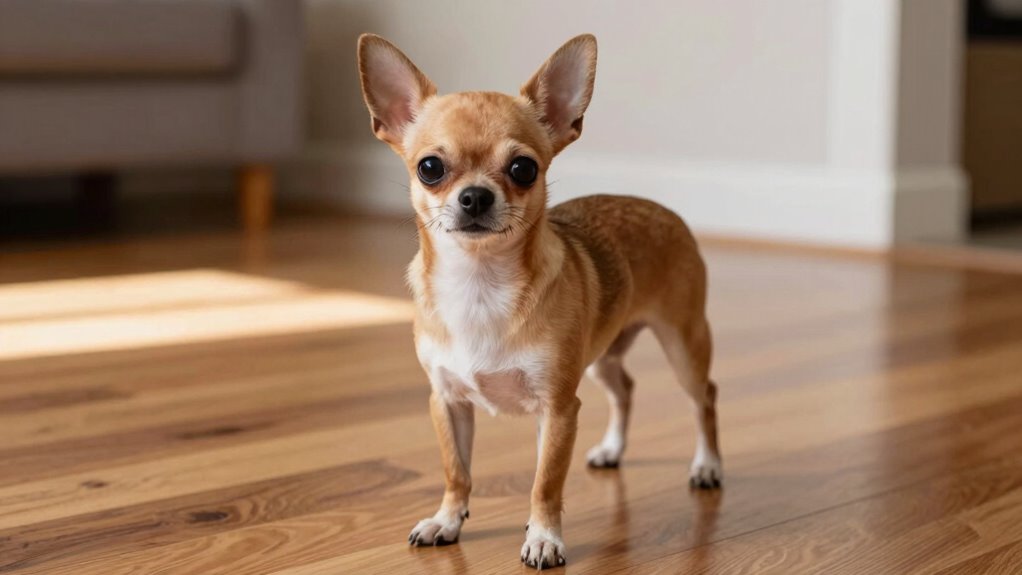

Toy breeds often surprise you with their mental toughness because, despite their small size, they develop resilience through socialization, training, and consistent positive reinforcement. They can be stubborn or cautious, but with patience and proper guidance, they quickly learn and adapt. Their intelligence and ability to overcome behavioral hurdles show that size isn’t a limit. Keep exploring, and you’ll discover how their remarkable resilience can be nurtured and celebrated.

Get pet supplies delivered free — and shop member deals
- Fast, free delivery on millions of items
- Access to Prime Big Deal Days deals on October 6–7
- Prime Video, Amazon Music and more included
Key Takeaways
- Toy breeds often display high resilience despite their small size, driven by their intelligence and adaptability.
- Proper socialization and training build confidence, enabling them to overcome fears and environmental challenges.
- Their stubbornness and sensitivity require patience and positive reinforcement, which foster mental toughness.
- Consistent, engaging training sessions help toy breeds develop perseverance and quick learning abilities.
- A strong social foundation enhances their curiosity, courage, and overall mental resilience.

Despite their small size, toy breeds often display surprising mental toughness that defies their delicate appearance. You might notice this when you try to train them or introduce them to new environments. Toy breeds can be stubborn or cautious, making training challenges seem intimidating at first. However, their intelligence and resilience often shine through when you use the right socialization strategies. You’ll find that consistency, patience, and positive reinforcement go a long way in helping these tiny dogs develop confidence and good behavior. They may be small, but they’re quick learners, and with the right approach, they can overcome many behavioral hurdles.
Training challenges with toy breeds often stem from their sensitivity and sometimes stubborn nature. You have to be mindful of their delicate confidence and avoid harsh corrections. Instead, focus on short, engaging training sessions that keep their attention and make learning feel like play. Using treats and praise, you reinforce positive behaviors, which encourages them to repeat those actions. Remember, these breeds can pick up commands quickly when motivated, proving that mental toughness isn’t about size but about perseverance. Sometimes, they test boundaries, but with patience, you’ll see their resilience emerge, and they’ll rise to the occasion. Recognizing their training potential helps you tailor your approach effectively. Developing an understanding of their behavioral traits can also help prevent frustration and promote better cooperation.
Socialization strategies are equally vital in shaping a toy breed’s mental toughness. Because they are so small, they might be wary of larger dogs or unfamiliar people at first. Your goal is to expose them gradually to different environments, people, and other animals, ensuring each experience is positive. Start with controlled introductions in calm settings, rewarding calm behavior with treats and praise. Over time, increase the complexity of social situations, always observing their comfort level. This approach helps build their confidence and reduces fearfulness. When you foster a sense of security through consistent socialization, your toy breed develops a robust mental attitude that helps them navigate the world with courage and curiosity. Additionally, understanding the importance of socialization strategies can significantly impact their mental resilience and overall well-being. Moreover, providing positive reinforcement during socialization helps solidify their confidence and encourages good behavior in new environments. Developing a strong social foundation is essential for their mental toughness and overall happiness.
Ultimately, what makes toy breeds resilient isn’t just their perseverance but also your dedication to understanding their unique needs. With patience, effective training techniques, and thoughtful socialization strategies, you empower your tiny companion to grow into a confident, well-adjusted dog. They may be diminutive in stature, but their mental strength can be extraordinary when nurtured correctly. This combination of intelligence, resilience, and proper guidance proves that size isn’t everything—these small dogs can surprise you with their big hearts and even bigger minds.
As an affiliate, we earn on qualifying purchases.
Frequently Asked Questions
How Does Size Influence a Toy Breed’s Confidence?
Size perception plays a big role in a toy breed’s confidence development. Even though they’re small, their tiny stature can make them act boldly because they perceive themselves as more formidable. You might notice they carry themselves confidently, barking or standing tall. This confidence often comes from their perception of size, allowing them to overcome physical limitations and develop a resilient, fearless attitude despite their small size.
Are Toy Breeds Harder to Train Than Larger Dogs?
Toy breeds can be trickier to train than larger dogs due to their stubborn streak and sensitivity. You might face training challenges because they often have a strong-willed attitude, requiring patience and consistency. Health considerations also matter, as toy breeds are more prone to health issues that can affect training routines. Stay gentle, positive, and patient, and you’ll improve your chances of success while keeping your pup healthy and happy.
Can Toy Breeds Handle Stressful Situations Better Than Expected?
Yes, toy breeds can handle stressful situations better than you might expect, despite breed stereotypes suggesting they’re fragile. Their temperament traits often include resilience and alertness, which help them adapt to stress. You might find that their small size doesn’t limit their mental toughness; instead, their confident attitude and quick learning ability enable them to manage challenging scenarios effectively, proving that size isn’t the only factor in mental resilience.
What Role Does Socialization Play in a Toy Breed’s Mental Resilience?
Socialization plays a vital role in a toy breed’s mental resilience. When you prioritize puppy socialization, you help your dog become comfortable around different people, animals, and environments. This confidence-building process reduces fear and anxiety, making your toy breed more adaptable and resilient in stressful situations. By exposing your dog early on, you foster a strong, confident personality that’s better equipped to handle challenges with mental toughness.
Do Toy Breeds Naturally Develop Problem-Solving Skills?
You might think toy breeds are just cute fluff, but they actually develop sharp problem-solving instincts. Their intelligence varies, but many toy breeds naturally hone problem-solving skills through curiosity and challenges. This mental toughness means they can think on their paws, often surprising you with their ingenuity. So, don’t underestimate their brainpower—they’re more capable than they seem, and with the right stimulation, they’ll keep your toes on their toes.
As an affiliate, we earn on qualifying purchases.
Conclusion
So, next time you dismiss that tiny yapper as fragile, remember they’re secretly tough as nails. They’ll bark at giants, brave thunderstorms, and still demand their dinner with the same fierce attitude. It’s almost as if size really doesn’t matter—except when you’re trying to fit them in a purse. So, give these little warriors some credit; they might just be the toughest, tiniest heroes you’ve ever underestimated. Who knew?
positive reinforcement dog training kit
As an affiliate, we earn on qualifying purchases.
As an affiliate, we earn on qualifying purchases.
small dog behavioral training aids
As an affiliate, we earn on qualifying purchases.
As an affiliate, we earn on qualifying purchases.
Evergreen bestsellers Picks
bestsellers
As an affiliate, we earn on qualifying purchases.