To prevent odor build-up, regularly replace soiled pee pads and rinse reusable ones thoroughly with warm water. Soak reusable pads in a mixture of water and pet-safe disinfectant or vinegar, then rinse well and air dry in a well-ventilated area. Use an enzymatic cleaner for the area after disposal and guarantee good airflow to reduce bacteria and smells. Consistent cleaning and maintenance keep your space fresh—keep going to discover even more effective tips.

Get pet supplies delivered free — and shop member deals
- Fast, free delivery on millions of items
- Access to Prime Big Deal Days deals on October 6–7
- Prime Video, Amazon Music and more included
Key Takeaways
- Rinse reusable pads with warm water before soaking in a pet-safe disinfectant or vinegar solution.
- Use enzymatic cleaners regularly to break down organic compounds and neutralize odors effectively.
- Air dry pads completely in well-ventilated areas to prevent bacteria growth and residual smells.
- Replace disposable pads promptly and dispose of used ones in sealed bags to contain odors.
- Ensure good air circulation and ventilation in the area to prevent odor buildup and promote freshness.
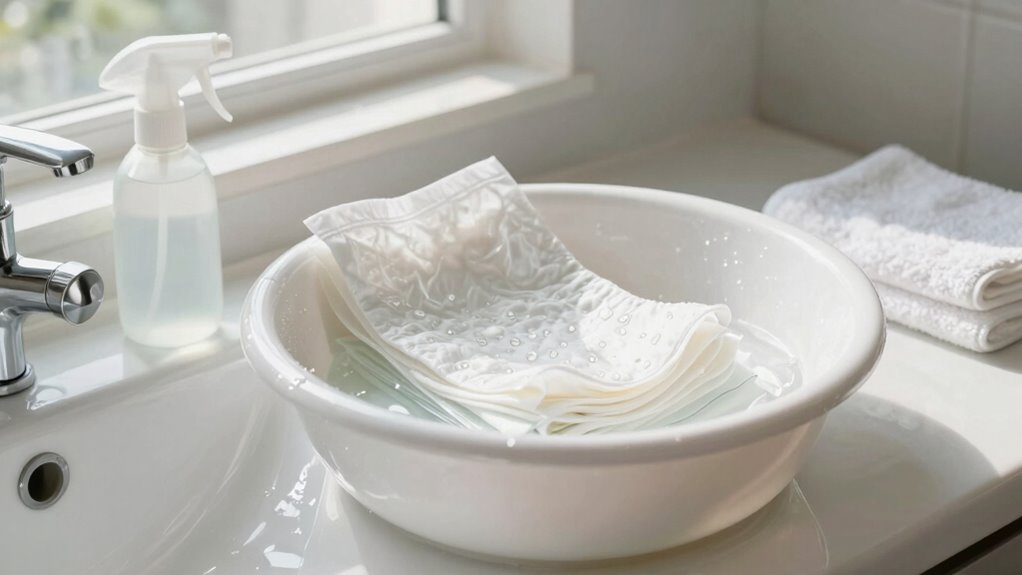
Ever wonder how to keep your pet’s pee pads clean and odor-free? Maintaining a fresh and odorless environment for your dog isn’t just about quick cleanups; it’s about establishing a consistent pee pad washing routine that tackles odor elimination effectively. When you focus on this routine, you not only keep your home smelling fresh but also support your dog’s training efforts by creating a clean, comfortable space for them to learn proper bathroom habits.
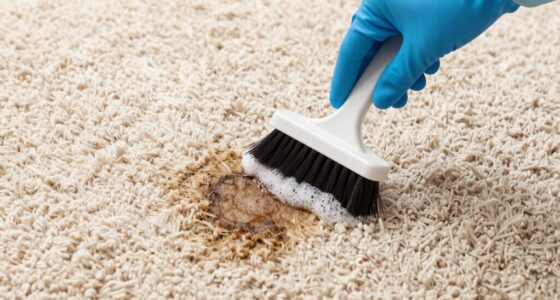
Start by removing the soiled pee pad carefully, making sure you dispose of it in a sealed trash bag to prevent lingering smells. Once the pad is out, it’s important to clean the area thoroughly. Use a mild enzymatic cleaner designed specifically for pet messes, as these break down the organic compounds that cause odors. This step is essential for odor elimination because regular cleaning products often just mask smells rather than eliminate them. After cleaning, wipe down the surrounding area with a damp cloth and allow it to dry completely. This prevents bacteria growth and keeps the surface fresh, which is paramount for both odor control and hygienic dog training. Proper ventilation can also help in reducing lingering odors, ensuring the area stays fresh longer.
Remove soiled pads and clean thoroughly with enzymatic cleaner for effective odor control and hygiene.
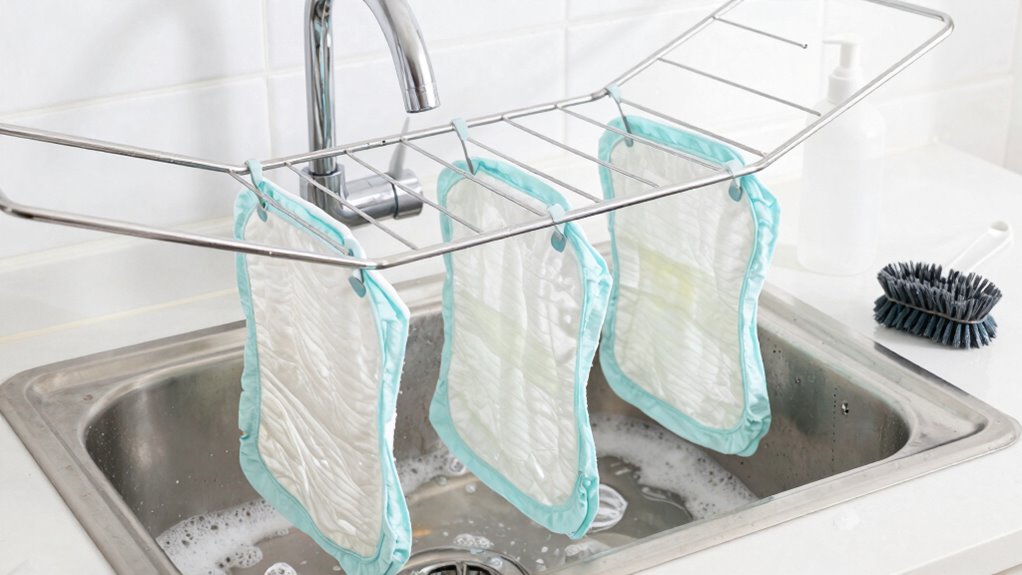
Next, focus on the pee pad itself. If the pad is reusable, rinse it with warm water and scrub gently with a brush, then soak it in a mixture of water and a pet-safe disinfectant or vinegar solution. Vinegar is excellent for odor elimination because it neutralizes bacteria and removes stubborn smells. After soaking, rinse thoroughly and let it air dry in a well-ventilated area. Additionally, ensuring proper air circulation within your space can significantly improve odor control and overall air quality. Good air circulation can also prevent the buildup of bacteria, which is crucial for maintaining a hygienic environment for your pet. If you’re using disposable pads, simply replace them with a new, clean one. Consistently changing out pads and ensuring they are thoroughly cleaned or replaced helps prevent the buildup of odors that can make the environment unpleasant for both you and your dog. Additionally, choosing odor-neutralizing products can further enhance the effectiveness of your routine.
In addition to routine cleaning, incorporating dog training techniques that reinforce proper bathroom habits can make your pee pad maintenance easier. When your dog learns to use the pad reliably, it reduces messes and the frequency of deep cleanings. Regularly inspecting and maintaining cleanliness of the training area is also essential to prevent odor accumulation and promote good hygiene. Remember, a well-trained dog paired with a consistent pee pad washing routine creates a cycle of odor elimination and cleanliness. By sticking to this routine and paying close attention to cleaning details, you’ll prevent odor build-up, maintain a fresh-smelling home, and support your dog’s training journey seamlessly.
reusable pet pee pads with odor control
As an affiliate, we earn on qualifying purchases.
As an affiliate, we earn on qualifying purchases.
Frequently Asked Questions
How Often Should I Replace the Pee Pads Entirely?
You should replace pee pads entirely every 1 to 2 weeks, depending on their durability and your pet’s habits. Regularly check for signs of wear or lingering odors, as these indicate it’s time for a fresh pad. To maximize odor absorption, consider using odor-absorbing sprays or baking soda between changes. Properly disposing of soiled pads and cleaning the area helps prevent unpleasant smells and keeps your space fresh.
Can I Use Homemade Cleaning Solutions on Pee Pads?
Did you know that using homemade solutions can be surprisingly effective? Yes, you can use homemade cleaning solutions on pee pads, but focus on their cleaning effectiveness. Mix vinegar and water or baking soda with water for a natural, odor-fighting cleaner. Just make certain you rinse thoroughly and let the pads dry completely before reuse. Homemade solutions are eco-friendly, cost-effective, and can help prevent odors without harsh chemicals.
What Are Signs of Persistent Odor Despite Washing?
You’ll notice persistent odor despite washing if the smell lingers even after cleaning, indicating odor masking isn’t effective enough. This usually means you need to increase your cleaning frequency or change cleaning methods. Regularly rinsing and using enzyme-based cleaners help break down odors. If the odor remains, consider replacing the pads more often or adding a layer of baking soda during cleaning, which can absorb stubborn smells and prevent build-up.
Are There Eco-Friendly Alternatives to Disposable Pee Pads?
Yes, you can choose eco-friendly alternatives to disposable pee pads. Look for pads made from biodegradable materials, which break down naturally and reduce environmental impact. Sustainable alternatives include washable reusable pads crafted from organic cotton or bamboo, offering comfort and durability. By switching to these options, you help minimize waste and support eco-conscious choices, making it easier to care for your pet while protecting the planet.
How Do I Prevent My Pet From Scratching or Damaging the Pads?
To prevent your pet from scratching or damaging the pads, focus on scratching prevention by providing appropriate toys and scratching posts nearby. Reinforce the pad by using a sturdy, non-slip mat underneath, which adds stability and discourages digging. You can also try training your pet with positive reinforcement when they use the pad gently. Consistent supervision and rewarding calm behavior help protect the pads and reduce damage over time.
enzymatic cleaner for pet messes
As an affiliate, we earn on qualifying purchases.
As an affiliate, we earn on qualifying purchases.
Conclusion
So, you’ve mastered the art of pee pad cleaning — who knew such a mundane task could be so essential? Ironically, the secret to keeping odors at bay isn’t just about washing, but about the tiny details you might overlook. Stick to your routine, and you’ll enjoy a fresh home without the stink. After all, it’s almost impressive how a little effort keeps your space smelling like you actually care. Who knew cleanliness could be so rewarding?
As an affiliate, we earn on qualifying purchases.
As an affiliate, we earn on qualifying purchases.
Fall Picks
fall essentials
As an affiliate, we earn on qualifying purchases.