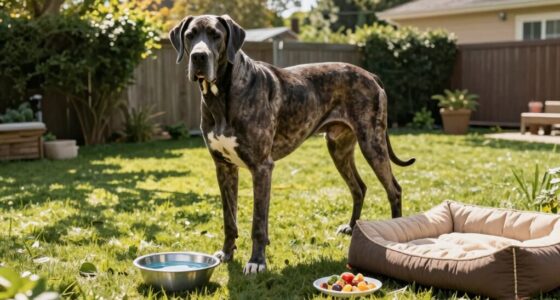
Working and show lines of the same breed can feel like completely different dogs because they’re bred for different traits. Working lines focus on high energy, instinct, and drive, making them confident and task-oriented. Show lines prioritize appearance, calmness, and conforming to breed standards. These genetic differences influence their behavior, temperament, and how they respond to training. If you want to understand why these dogs act so differently, there’s a lot more to discover about their backgrounds.
Get ready for Prime Big Deal Days — try Prime free
Exclusive member deals on October 6–7, plus fast free delivery. Cancel anytime.
As an affiliate, we earn on qualifying purchases.
Key Takeaways
- Working lines emphasize high energy, drive, and instinctual behaviors, resulting in more active and responsive dogs.
- Show lines are bred for appearance and calm temperaments, leading to more relaxed and conforming behavior.
- Genetic selection influences natural tendencies, causing differences in motivation and trainability between the lines.
- Training methods that suit one line may be ineffective or less engaging for the other, affecting behavior.
- Physical and behavioral diversity within breed lines creates distinct personalities and temperaments.
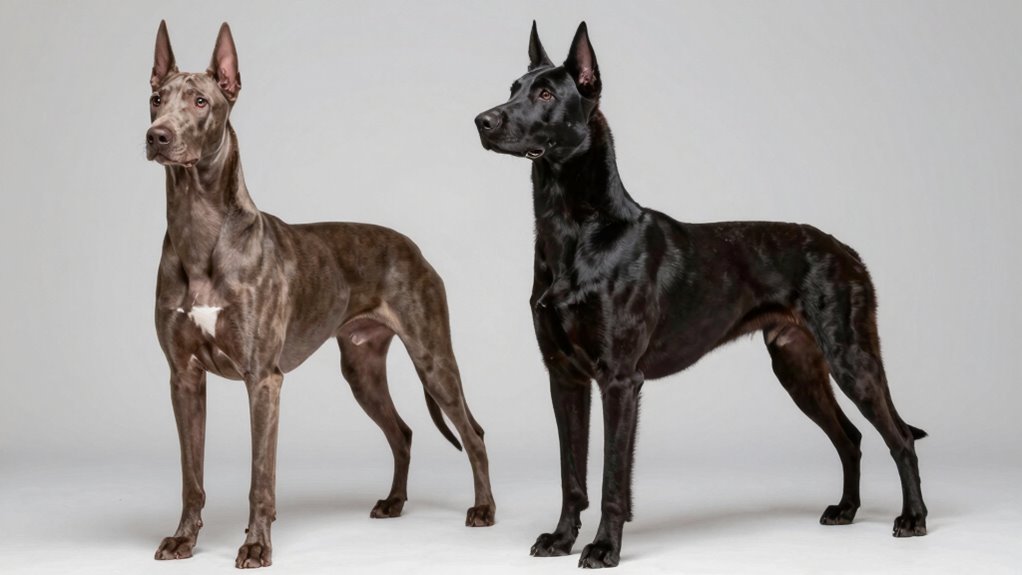
The diverse breed genetics mean that each line has been selectively bred to enhance specific qualities. With working lines, the emphasis is on traits that support their intended roles. For example, a working German Shepherd might have a high energy level, keen instinct for protection, and a desire to work tirelessly. Conversely, a show line German Shepherd might be more focused on appearance, with a calmer demeanor suited to conforming to breed standards. Because of these genetic differences, their behavior and learning styles can vary *considerably*, which directly impacts your training approach. Additionally, understanding the genetic background of a dog can help you better anticipate its natural tendencies and needs. Recognizing the importance of biodiversity within breed lines can also provide insight into the wide range of temperaments and physical traits, further emphasizing the need for tailored training methods. An awareness of selection processes can deepen your understanding of how these distinctions develop over generations.
Being aware of behavioral tendencies associated with each line can help you develop more effective, personalized training strategies. When it comes to training approaches, you’ll find that working line dogs often thrive on structured, task-oriented methods that tap into their natural instincts. They tend to respond well to methods that challenge their minds and keep them engaged, like clicker training, agility exercises, or problem-solving tasks. Their drive to work means they can be motivated by purpose, and training becomes a way to channel their energy productively. Show line dogs, meanwhile, might respond better to training that emphasizes socialization, obedience, and precision, reflecting their breeding for appearance and calmness. They may require a gentler, more reward-based approach, especially if they’re less inclined to work instinctively.
Understanding these differences helps you tailor your training to the individual dog, regardless of their line. Recognizing that breed genetics shape their natural tendencies allows you to set realistic expectations and choose methods that foster a positive, productive relationship. Whether you’re working with a high-drive working line or a more conformational show line, adapting your approach ensures your dog’s unique traits are supported and nurtured. This awareness ultimately leads to a stronger bond and a better-trained companion, no matter which line they come from.
German Shepherd working line training tools
As an affiliate, we earn on qualifying purchases.
As an affiliate, we earn on qualifying purchases.
Frequently Asked Questions
How Do Working and Show Lines Influence a Dog’s Temperament?
Working and show lines influence a dog’s temperament by emphasizing different breed traits through selective breeding. Working lines often prioritize traits like stamina, alertness, and trainability, which can make the dog more focused and energetic. Show lines, on the other hand, highlight appearance and conformation, sometimes leading to more relaxed temperaments. This genetic diversity shapes how each line performs and interacts, resulting in distinct personalities suited for specific roles or appearances.
Can a Dog Switch Between Working and Show Lines?
Yes, a dog can switch between working and show lines, thanks to genetic diversity and selective breeding priorities. Sometimes, dogs bred for show traits develop skills suited for working tasks, and vice versa. This happens because breeding isn’t always strictly defined; it’s influenced by changing goals and environments. So, with proper training and care, you might see a dog embody traits from both lines, blurring the lines between them.
Are Health Issues More Common in One Line Over the Other?
Health issues can vary between working and show lines due to differences in breeding practices. Show lines often prioritize appearance, which can sometimes lead to a higher risk of genetic health problems from closed or selective breeding. Working lines tend to focus on functionality, usually resulting in healthier, more genetically diverse dogs. However, responsible breeding in either line minimizes health risks, so always research lineage and choose reputable breeders.
How Does Training Differ for Working Versus Show Lines?
Ever wonder how training differs between working and show lines? You’ll need to focus on training consistency for working lines, emphasizing obedience and task-specific skills. Show lines benefit from socialization techniques that highlight temperament and presentation. Are you prepared to adapt your approach? For working dogs, reinforce commands with practical applications, while for show dogs, practice grooming and social manners to excel in competitions. Tailoring your methods makes all the difference.
Do Show Lines Have the Same Physical Capabilities as Working Lines?
Show lines often meet breed standards that emphasize appearance over physical capability, so they might not match the stamina or strength of working lines. While they can be physically capable, their genetic diversity may be more limited due to selective breeding focused on traits like coat and conformation. This means show lines might excel in looks but may not possess the same endurance or working ability as working lines, which prioritize functional traits.
show line German Shepherd grooming supplies
As an affiliate, we earn on qualifying purchases.
As an affiliate, we earn on qualifying purchases.
Conclusion
So, while working and show lines might seem worlds apart, they both come from the same strong roots. You might worry that choosing one over the other limits your dog’s potential, but that’s not true. With love, training, and patience, your dog can excel in either arena. Remember, it’s the bond you build that truly matters—your dog’s personality shines brightest when you nurture it, regardless of their lines.
high drive dog toys for working lines
As an affiliate, we earn on qualifying purchases.
As an affiliate, we earn on qualifying purchases.
calm temperament dog training collar
As an affiliate, we earn on qualifying purchases.
As an affiliate, we earn on qualifying purchases.
Fall yard work Picks
leaf blowers
As an affiliate, we earn on qualifying purchases.