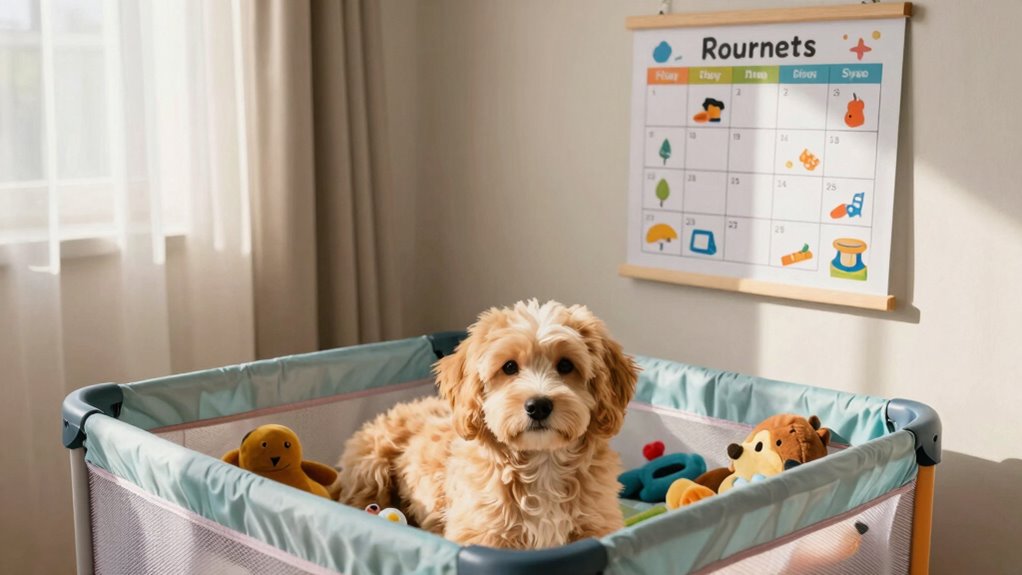

To prevent puppy meltdowns, create a consistent play schedule with short, frequent sessions to avoid overstimulation. Incorporate training and socialization into playtimes to promote confidence, and always end on a positive note. Balance activity with rest periods so your puppy has time to process and recharge. A predictable routine helps your pup feel safe and calm. Keep these tips in mind, and you’ll discover more effective ways to keep your puppy happy and balanced.

Get pet supplies delivered free — and shop member deals
- Fast, free delivery on millions of items
- Access to Prime Big Deal Days deals on October 6–7
- Prime Video, Amazon Music and more included
Key Takeaways
- Schedule short, frequent play sessions to prevent overstimulation and fatigue.
- Incorporate regular rest periods to help puppies recharge and process excitement.
- Use predictable routines for play and breaks to reduce anxiety and meltdowns.
- Limit vigorous play to appropriate times, balancing activity with calming periods.
- Reinforce calm behavior after play to help puppies transition smoothly to rest.
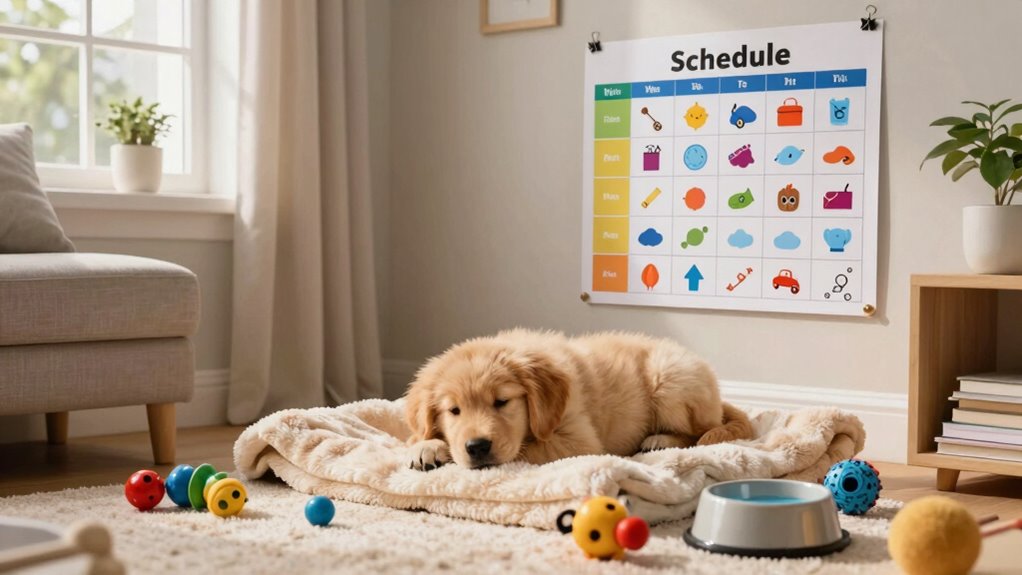
Creating a consistent puppy play schedule is vital for making sure your puppy stays happy, well-behaved, and mentally stimulated. When you establish a routine, your puppy quickly learns what to expect, which helps reduce anxiety and prevents meltdowns. One of the most important aspects of this routine is incorporating puppy socialization. By scheduling regular, controlled interactions with other dogs, people, and new environments, you help your puppy develop confidence and good manners. These socialization sessions should be positive and brief at first, gradually increasing in duration as your puppy becomes more comfortable. Consistent socialization not only prevents behavioral issues but also guarantees your puppy grows into a well-rounded adult dog.
Consistent puppy socialization builds confidence, good manners, and prevents behavioral issues as your puppy grows into a well-rounded dog.
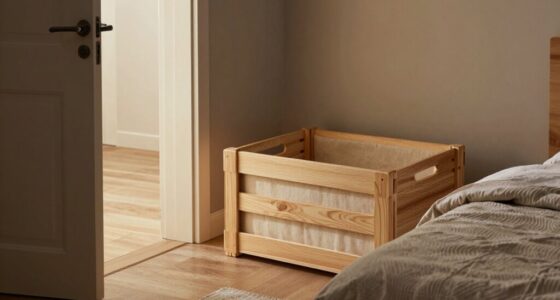
Another key element in your puppy’s schedule is crate training. When you set aside specific times for crate use, your puppy learns that the crate is a safe, cozy space rather than a punishment. A predictable crate schedule helps your puppy develop good habits, such as holding their bladder longer and feeling secure during stressful moments. Incorporate crate time into daily routines, like after play or meal sessions, and always make the crate inviting with toys and comfortable bedding. When your puppy knows that crate time is a normal part of the day, they’re less likely to become anxious or frustrated when confined. This consistency helps prevent meltdowns caused by confusion or fear. Additionally, establishing a consistent routine helps your puppy learn expectations and reduces uncertainty, which is essential for their emotional well-being. Establishing a routine also supports the development of emotional resilience, making your puppy better equipped to handle new experiences.
Your daily schedule should also include designated playtimes, training sessions, and rest periods. Short, frequent play sessions keep your puppy engaged without overwhelming them. During play, you reinforce positive behaviors and work on basic commands, which helps your puppy develop discipline and focus. Rest periods are equally important, allowing your puppy to recharge and process new experiences. By sticking to a routine that balances activity with rest, you minimize the chances of overstimulation that can lead to tantrums or destructive behaviors.
Finally, consistency is your best tool. When your puppy knows what to expect each day—when they will get to socialize, play, rest, and be crate-trained—they feel safer and more relaxed. This predictability reduces frustration and helps prevent meltdowns before they even start. Over time, a well-structured schedule creates a calm, confident puppy who’s eager to learn and explore. Your commitment to a steady routine not only nurtures your puppy’s development but also makes training and daily life much smoother for both of you.
As an affiliate, we earn on qualifying purchases.
Frequently Asked Questions
How Do I Adjust the Schedule for Different Puppy Breeds?
To adjust the schedule for different puppy breeds, consider their breed-specific energy levels and playtime variations. High-energy breeds need more frequent, vigorous play sessions, while calmer breeds do well with shorter, gentle activities. Observe your puppy’s behavior and adapt the schedule accordingly, ensuring they stay engaged without becoming overwhelmed. Incorporate rest periods between playtimes, and tailor activities to match each breed’s unique needs for a balanced routine.
What Should I Do if My Puppy Shows Signs of Stress?
If your puppy shows signs of stress, you should first use calming remedies like a calming vest or soothing sounds. Incorporate socialization techniques gradually, giving your puppy space and positive reinforcement to build confidence. Observe their cues and remove them from overwhelming situations if needed. Keep a consistent schedule, and stay calm yourself—your reassurance helps your puppy feel secure and reduces stress effectively.
How Long Should Each Play Session Last?
You should aim for play sessions lasting about 10 to 15 minutes, especially during puppy socialization. Keep sessions engaging but not overstimulating, using play equipment like toys and tunnels to vary activities. Watch for signs of exhaustion or stress, and end on a positive note. Short, frequent sessions help prevent meltdowns, ensuring your puppy stays happy and relaxed while building confidence through balanced play.
Can I Include Training Activities in the Play Schedule?
Absolutely, you can include training activities in your puppy’s play schedule. Incorporating training activities and socialization exercises keeps your pup engaged and helps prevent boredom or meltdowns. Mixing these with fun play sessions makes learning enjoyable and builds your bond. Remember, short, positive training moments fit well into playtime, ensuring your puppy stays stimulated without feeling overwhelmed. This balanced approach promotes a happy, well-adjusted pup.
How Do I Handle Naps During Busy Play Periods?
During busy play periods, handle naps by timing them around meal times and outdoor excursions. You should give your puppy a short nap after meals or outdoor adventures to recharge. Keep a consistent schedule, so naps don’t interfere with play or training. Watch for signs of tiredness, and gently guide your pup to rest. This way, you prevent meltdowns and maintain a balanced routine that keeps your puppy happy and healthy.
interactive puppy toys for training
As an affiliate, we earn on qualifying purchases.
As an affiliate, we earn on qualifying purchases.
Conclusion
By following this puppy play schedule, you create a calm, happy environment where your little one can thrive. Imagine the gentle tug of a playful game, the soft paws padding happily across the floor, and the peaceful moments of rest that follow. With routines in place, you’ll see your puppy blossom into a confident, joyful companion, and those meltdowns become a distant memory. Together, you craft a harmonious rhythm filled with love and understanding.
As an affiliate, we earn on qualifying purchases.
As an affiliate, we earn on qualifying purchases.
Fall Picks
fall essentials
As an affiliate, we earn on qualifying purchases.