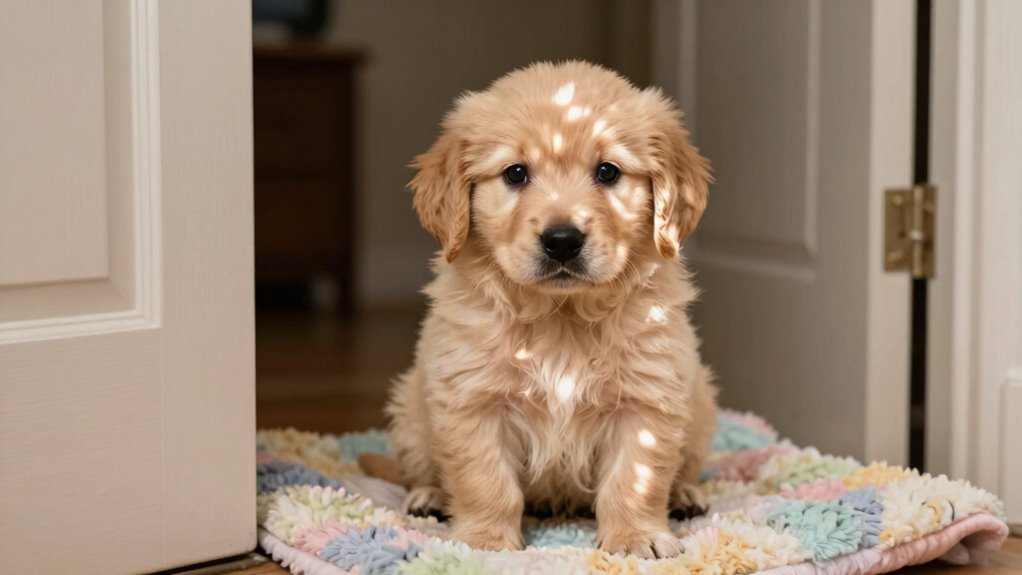

Some puppies panic when left alone because they’re naturally wired to seek reassurance and feel vulnerable without their pack nearby. Their instinct to stay close provides comfort, so separation triggers fear and stress. This reaction is often misunderstood as stubbornness or misbehavior, but it’s really about their need for security. Understanding this hidden reason helps you respond with patience and proper training. Keep exploring to discover more effective ways to help your puppy feel safe on their own.

Get pet supplies delivered free — and shop member deals
- Fast, free delivery on millions of items
- Access to Prime Big Deal Days deals on October 6–7
- Prime Video, Amazon Music and more included
Key Takeaways
- Puppies often panic when left alone due to separation anxiety rooted in unfamiliarity and need for reassurance.
- Environmental changes or lack of a secure, cozy space can heighten a puppy’s fear of solitude.
- Natural instincts to stay close to their litter or family may cause panic when separated.
- Sudden or abrupt departures can trigger anxiety, especially if the puppy hasn’t been properly trained or habituated.
- Underlying temperament or past experiences may make some puppies more prone to panic when alone.
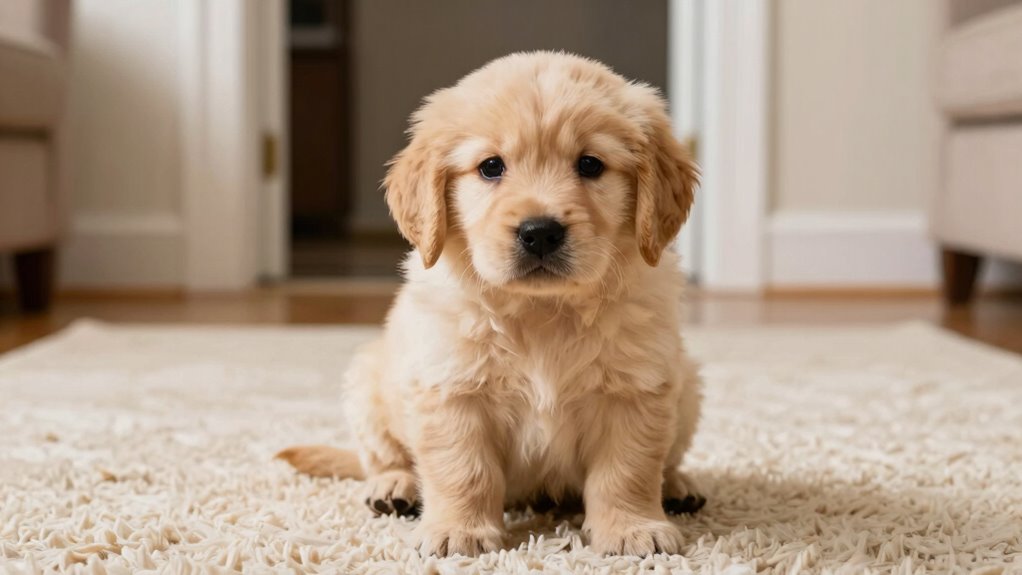
Many puppies panic when left alone because they’re experiencing separation anxiety, a common but often misunderstood issue. This anxiety isn’t just about missing you; it’s deeply rooted in their unfamiliarity with being alone and their need for reassurance. When you leave, your puppy might whine, bark excessively, or even try to escape. Understanding that separation anxiety is a natural response can help you approach the situation with patience and a plan. Recognizing that biodiversity plays a role in animal behavior can deepen your understanding of your puppy’s instincts and emotional needs. Additionally, environmental factors and individual temperament can influence how your puppy reacts to solitude.
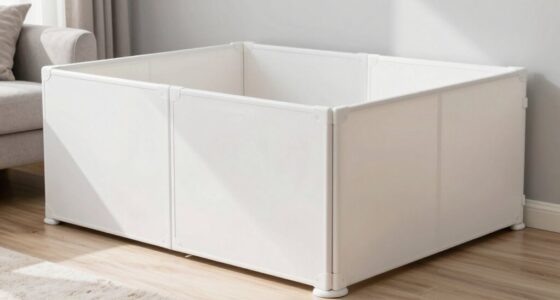
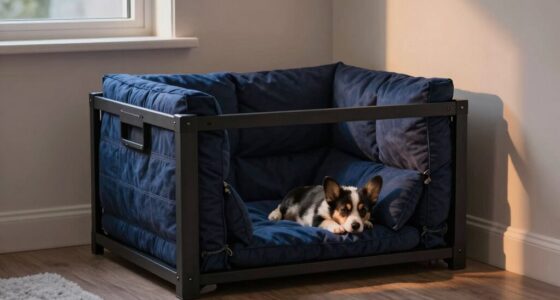
One effective way to manage this anxiety is through crate training. Crate training isn’t about punishment—it’s about creating a safe, cozy space that your puppy can associate with comfort and security. When done correctly, your puppy begins to see the crate as a den, a place they can retreat to when they’re feeling anxious. It’s important to introduce the crate gradually, using treats and praise to make it appealing. Keep the crate in a common area initially so your puppy doesn’t feel isolated, and always leave the door open until they’re comfortable going in and out freely. Gradual exposure can help prevent overwhelming your puppy and promote positive associations with the crate. Incorporating positive reinforcement during training sessions can further enhance their sense of safety and trust.
A key element in crate training is understanding how animal behavior influences your puppy’s reactions and learning process. As your pup gets used to the crate, start leaving them alone for short periods, gradually increasing the duration. During these times, avoid making a big fuss when you leave or return, as this can heighten their anxiety. Instead, keep your departures low-key and calm. The goal is to teach your puppy that being alone isn’t something to fear, and that you’ll always come back. Over time, they’ll learn that their crate is a secure spot, reducing their overall separation anxiety.
Consistency is key. Stick to a routine for crate training and alone time, so your puppy knows what to expect. If they whine or bark, wait until they’re quiet before giving them attention—this teaches them that calm behavior gets rewarded, not frantic whining. Remember, patience is essential; overcoming separation anxiety takes time, especially if your puppy has had little experience being alone. Providing a consistent routine can significantly improve their sense of security and reduce stress.
You should also incorporate positive reinforcement outside of crate training. When your puppy handles being alone calmly, praise them or give treats afterward. This helps them associate solitude with positive experiences, making separation less stressful over time. If your puppy’s anxiety persists or worsens, consulting a professional trainer or veterinarian can provide additional strategies tailored to your pup’s needs. Ultimately, understanding separation anxiety and implementing consistent crate training can greatly ease your puppy’s fears, helping them become more confident and relaxed when you’re apart.
As an affiliate, we earn on qualifying purchases.
Frequently Asked Questions
How Early Can Separation Anxiety Develop in Puppies?
Separation anxiety can develop as early as 8 to 12 weeks old, especially if your puppy misses out on proper puppy socialization and crate training. During this critical period, they’re learning to feel secure alone. If you don’t gradually introduce them to being alone, they might panic later. Consistent crate training and positive socialization experiences help your puppy build confidence and reduce separation anxiety risks early on.
Are Certain Breeds More Prone to Panic When Alone?
Like fragile glass, certain breeds are more prone to panic when alone, reflecting their breed predispositions and genetic factors. Breeds such as Border Collies, German Shepherds, and Dachshunds often carry a predisposition for separation anxiety, making them more sensitive to solitude. Your puppy’s reaction can mirror their genetic makeup, so understanding these tendencies helps you prepare and provide comfort, reducing their stress and easing their anxiety during alone time.
Can Training Prevent Puppies From Panicking?
Yes, training can prevent puppies from panicking. You should start with crate training to create a secure space, gradually increasing alone time. Incorporate socialization techniques by exposing your puppy to different environments and people calmly. Consistent routines and positive reinforcement help build confidence. Over time, these methods teach your puppy that being alone is safe, reducing anxiety and panic when left alone.
How Long Does It Take to Overcome Separation Anxiety?
They say patience is a virtue, and overcoming separation anxiety varies by breed tendencies and individual pups. With consistent training techniques, some puppies improve within a few weeks, while others may take several months. You need to be patient and persistent, gradually increasing alone time. Remember, every dog is unique, and progress depends on your training approach and your pup’s temperament. Stay consistent, and positive reinforcement will lead to success.
What Are the Signs of Severe Separation Anxiety?
Severe separation anxiety shows through behavioral triggers like excessive barking, destructive chewing, and urination or defecation indoors. Environmental factors, such as a sudden change in routine or a lack of comforting items, can worsen these signs. You might notice your puppy pacing, whining persistently, or trying to escape. These symptoms indicate deep distress, requiring patience, consistent training, and possibly professional help to ease their anxiety.
As an affiliate, we earn on qualifying purchases.
Conclusion
You might find it surprising that your puppy’s panic when left alone isn’t just about separation anxiety — sometimes, it’s a coincidence of past experiences or even a quiet moment you shared. Just like missing a favorite toy or a familiar scent, these subtle cues can trigger panic. So next time your puppy seems distressed, remember: it’s often a complex web of tiny, interconnected moments, not just fear. And understanding this can bring you both closer together.
As an affiliate, we earn on qualifying purchases.
As an affiliate, we earn on qualifying purchases.
Fall Picks
fall essentials
As an affiliate, we earn on qualifying purchases.