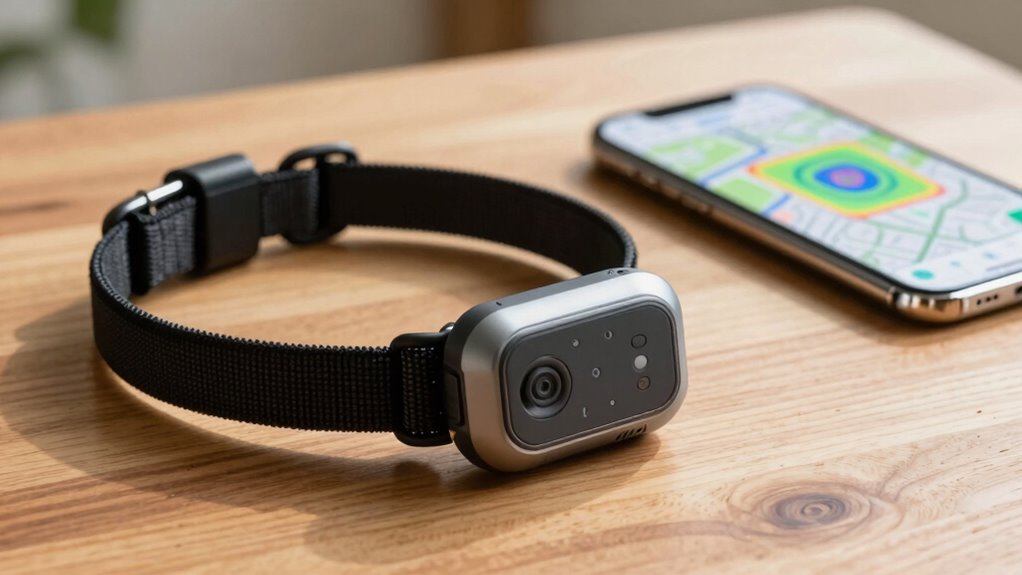

GPS fences can be a great tool for tracking movement, but it’s important to understand their limitations first. They rely on real-time location updates, which can drain batteries quickly and require regular charging. Signal reliability can be affected by tall buildings, dense foliage, or tunnels. Privacy and data security are also key concerns, so check how your provider manages your information. Being aware of these factors ensures you’re prepared—if you keep exploring, you’ll discover how to use GPS fences effectively and securely.

Get pet supplies delivered free with Prime
- Fast, free delivery on millions of items
- Prime Video, Amazon Music and more included
- Member-only deals all year
Key Takeaways
- Ensure the device has a reliable battery life and plan for regular charging and maintenance.
- Review privacy policies to understand how your location data is stored, shared, and secured.
- Be aware of environmental limitations that can affect GPS signal accuracy, like tall buildings or dense foliage.
- Understand the ongoing maintenance needs, including device checks and troubleshooting potential glitches.
- Research provider security measures to protect your location data from unauthorized access.

GPS fences, also known as virtual boundary or geofence systems, are increasingly popular tools for pet and vehicle owners seeking to enhance security and peace of mind. These systems use GPS technology to create a designated area, alerting you if your pet or vehicle leaves that boundary. While they sound amazing and offer a high level of convenience, there are a few things you should consider before jumping in.
One primary concern is battery life. Since GPS fences rely on real-time location tracking, your device’s battery can drain faster than usual. If you’re using a GPS collar for your dog or a tracker for your car, you might find yourself frequently charging these devices to maintain reliable monitoring. Some devices have longer-lasting batteries, but most still require regular attention to avoid losing tracking capability during critical moments. It’s essential to understand the battery specifications of any GPS fence system you’re considering and weigh whether you’re willing to commit to the charging routine needed to keep it operational.
Privacy concerns are another significant aspect to consider. GPS fences collect and transmit your location data, which means your movements are being tracked and stored, sometimes on external servers. If privacy is a priority for you, you’ll want to research how each system handles data. Some providers have robust security measures, encrypting data and limiting access, but others might not be as transparent. You should evaluate whether you’re comfortable with the potential risks of sharing your location information and whether the company’s privacy policy aligns with your expectations. Additionally, it’s worth noting that location data security is a critical factor when choosing a provider. It’s also advisable to check whether the device uses secure data transmission to prevent unauthorized access. Moreover, understanding the privacy policies of these systems can help you make a more informed decision about your data security. Being aware of the data storage practices of the provider can further help you assess privacy risks. It’s helpful to consider user reviews and experiences related to data security before making a choice.
Keep in mind that GPS signals can sometimes be unreliable. Tall buildings, dense foliage, or tunnels can interfere with signal accuracy, leading to false alarms or missed alerts. This could cause unnecessary stress or a false sense of security. You need to understand the limitations of the technology and determine if it fits your environment.
While GPS fences offer a lot of benefits, including peace of mind and increased security, they’re not foolproof. They require ongoing maintenance, attention to battery life, and a clear understanding of privacy implications. Before investing, do your research on the device’s battery performance and how your data will be handled. Recognize that no system is perfect, and be prepared for occasional glitches. By understanding these factors upfront, you can make a more informed decision and ensure that a GPS fence system truly works for your needs.
GPS pet tracker with long battery life
As an affiliate, we earn on qualifying purchases.
As an affiliate, we earn on qualifying purchases.
Frequently Asked Questions
How Accurate Are GPS Fences in Different Weather Conditions?
GPS fences are generally accurate, but satellite accuracy can drop in bad weather like heavy rain or snow, affecting signal interference. You might notice slight deviations in the fence’s boundary during storms or dense cloud cover. While technology has improved, weather conditions can still impact precision. To guarantee your pet stays within the designated area, monitor the device’s signals during extreme weather and consider additional safety measures.
What Happens if My Pet Crosses the Boundary Accidentally?
If your pet crosses the boundary, don’t panic—think of it as a gentle nudge back to safety. Most GPS fences have boundary exceptions or alerts that notify you immediately, so you can quickly intervene. Pet safety remains the priority, and these fences are designed to minimize accidental crossings. Keep an eye on your pet’s activity, and remember that technology helps, but supervision is key to ensuring their well-being.
Are GPS Fences Suitable for All Types of Pets?
GPS fences aren’t suitable for all pets, especially those needing intensive pet training or with unpredictable behavior. You should consider fence customization options to guarantee your pet’s safety and comfort. For active or curious pets, a more tailored fence helps prevent escapes. While GPS fences work well for some, always evaluate your pet’s personality and training needs to decide if this technology fits your specific situation.
How Long Does the Battery Last on GPS Fence Devices?
The battery life on GPS fence devices typically ranges from 12 to 24 hours, depending on the model and usage. High power consumption from constant GPS tracking can drain batteries quickly, so it’s crucial to select a device with efficient power management. Regularly recharging or replacing batteries guarantees your pet stays protected. Keep an eye on battery indicators to avoid unexpected device downtime and maintain reliable coverage.
Can I Set Multiple Fenced Areas With One Device?
Back in the day, you’d need multiple devices for different fences, but now, many GPS fence devices let you set multiple fenced areas with one unit. This is great for pet training, giving your furry friend a larger, more flexible space. Just check device compatibility first, as some models support multiple zones while others don’t. Confirm your device can handle multiple fenced areas before you set out on your adventure.
GPS vehicle tracking device with geofence
As an affiliate, we earn on qualifying purchases.
As an affiliate, we earn on qualifying purchases.
Conclusion
While GPS fences sound like a game-changer, there’s more beneath the surface you need to think about. Are they foolproof? Could they give you a false sense of security? The technology is promising, but it’s not perfect—yet. Before you rely solely on this innovation, remember that every fence has its limits. The real question is: are you prepared for what might happen when the unexpected occurs? Stay vigilant—your pet’s safety depends on it.
GPS fence system with secure data encryption
As an affiliate, we earn on qualifying purchases.
As an affiliate, we earn on qualifying purchases.
best GPS tracker for pets and cars
As an affiliate, we earn on qualifying purchases.
As an affiliate, we earn on qualifying purchases.
Halloween Picks
halloween
As an affiliate, we earn on qualifying purchases.