
TL;DR

Get pet supplies delivered free with Prime
- Fast, free delivery on millions of items
- Prime Video, Amazon Music and more included
- Member-only deals all year
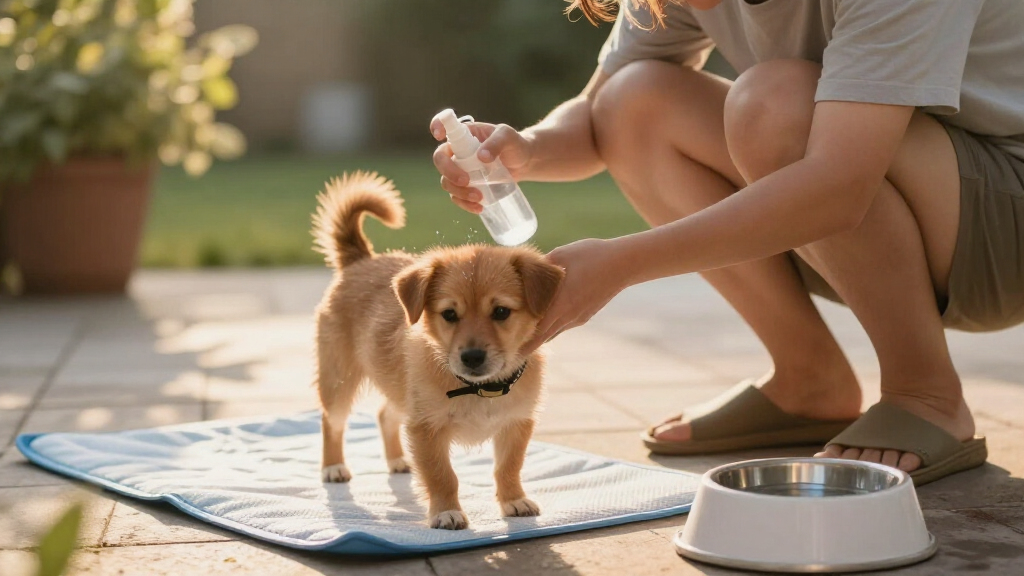
Veterinary experts advise pet owners to take specific precautions during heatwaves, such as providing ample shade and hydration. This guidance aims to prevent heat-related illnesses in pets. The advice is based on current veterinary recommendations, but some details on specific temperature thresholds remain under review, highlighting the importance of staying informed through pet safety guidelines.
Veterinary experts have issued new safety guidelines for pet owners to protect animals from heat-related illnesses as temperatures rise across many regions. The recommendations emphasize hydration, shade, and avoiding outdoor activity during peak heat hours. These measures are aimed at reducing the risk of heatstroke and other health issues in pets, which are increasingly vulnerable during heatwaves.
According to the American Veterinary Medical Association (AVMA), pet owners should ensure their animals have access to plenty of fresh water and shaded areas when outdoors. The guidelines also recommend limiting outdoor activity during the hottest parts of the day, typically between 10 a.m. and 4 p.m., which can be supported by pet safety products. Veterinarians stress that animals with thick fur, brachycephalic breeds, and elderly pets are particularly susceptible to heatstroke.
While specific temperature thresholds for when pets are at risk are not universally established, experts agree that signs of overheating—such as excessive panting, drooling, weakness, and collapse—should prompt immediate action. The guidelines also advise never leaving pets in parked vehicles, as temperatures inside can rise rapidly and become fatal.
These recommendations are based on current veterinary advice and are being promoted ahead of the summer season, which is expected to see increased heatwaves in many areas. Pet owners are urged to stay vigilant and adapt their routines accordingly to safeguard their animals’ health, including consulting resources like pet safety training.
Why Protecting Pets During Heatwaves Is Critical
This guidance is vital because heatstroke can be fatal for pets and often occurs unexpectedly. As climate change leads to more frequent and intense heatwaves, pet owners need clear, actionable advice to prevent emergencies. Failure to take precautions can result in serious health consequences, increased veterinary costs, and emotional distress for owners. The new guidelines aim to raise awareness and reduce heat-related pet deaths during the summer months.Products Worth Considering

PetSafe CozyUp Wooden Pet Bed Ramp, White

PetSafe Electronic Pet Door – Collar Key Sensor – Large (up to 100 lb)

PETLIBRO Granary 2 Wi-Fi Automatic Pet Feeder with Smart Scale, 5L
As an affiliate, we earn on qualifying purchases.
Recent Heatwaves and Growing Pet Safety Concerns
In recent years, rising temperatures and more frequent heatwaves have increased the risk of heat-related illnesses in pets. Veterinary clinics report a surge in cases of heatstroke during summer, especially among outdoor animals and those left in vehicles. The AVMA and other organizations have responded by issuing updated safety recommendations to help pet owners better protect their animals. These guidelines come amid broader concerns about climate change and its impact on animal welfare.“We want pet owners to understand that heatstroke can develop rapidly and be fatal. Our recommendations are designed to help prevent these tragedies.”
— AVMA spokesperson
Unclear Temperature Thresholds and Risk Levels
It is not yet confirmed at what exact ambient temperatures pets are at immediate risk of heatstroke, as susceptibility varies by breed, age, and health status. While general guidelines exist, specific thresholds remain under review by veterinary researchers. Further studies are needed to establish precise danger levels for different pet populations.Next Steps in Pet Heat Safety Research and Outreach
Veterinary organizations plan to monitor heat-related incidents in pets during upcoming heatwaves to refine safety guidelines. Public awareness campaigns will likely increase, emphasizing the importance of preventive measures. Researchers may also work on establishing more precise temperature thresholds and risk assessments for various breeds and conditions. Pet owners are advised to stay updated on local weather forecasts and veterinary advice throughout the summer.Key Questions
What are the most common signs of heatstroke in pets?
Signs include excessive panting, drooling, weakness, rapid heartbeat, vomiting, and collapse. Immediate veterinary attention is needed if these symptoms occur.
Can all pets be safely outdoors during hot weather?
No. Pets with thick fur, brachycephalic breeds, elderly animals, and those with health issues are more vulnerable and should be kept indoors during peak heat hours.
Is it safe to leave pets in a parked car during hot weather?
No. Temperatures inside vehicles can rise rapidly, even with windows open, and pose a serious risk of heatstroke and death.
How can I tell if my pet is overheating?
Look for excessive panting, drooling, weakness, disorientation, and rapid breathing. If you suspect heatstroke, move the pet to a cooler area and seek veterinary care immediately.
Are there specific guidelines for outdoor pet activities during heatwaves?
Yes. It is recommended to limit outdoor activities to early mornings or evenings when temperatures are cooler, and always provide shade and water.
Source: rss