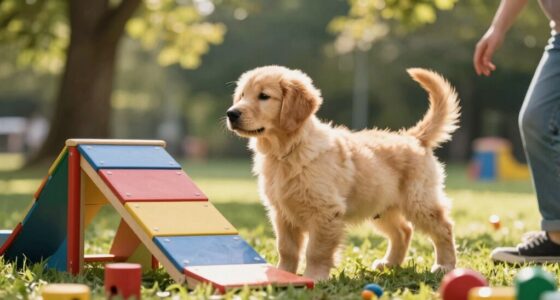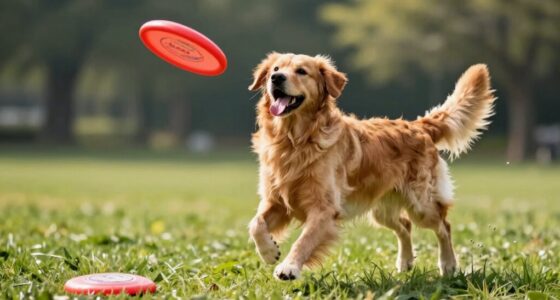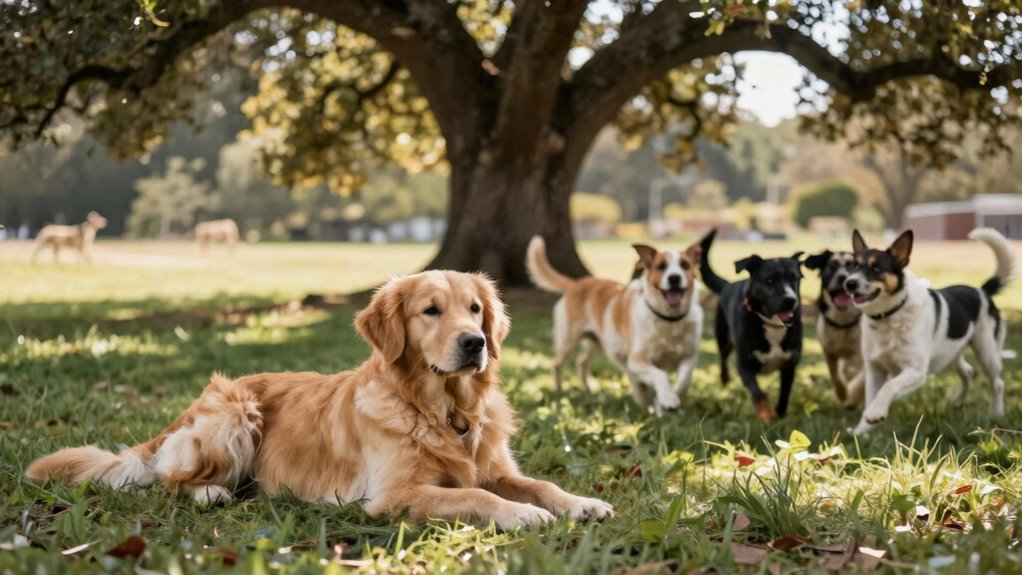
Some dogs prefer solo play because it matches their personality traits and offers comfort without the stress of social situations. They might enjoy activities like chewing, scent exploration, or resting on their own. Personal history, breed tendencies, and temperament all influence their preferences. Respecting these signs helps keep your dog happy and relaxed. If you want to understand your dog’s unique playstyle better, you’ll find useful insights if you keep exploring.

Get pet supplies delivered free with Prime
- Fast, free delivery on millions of items
- Prime Video, Amazon Music and more included
- Member-only deals all year
Key Takeaways
- Some dogs are naturally introverted or reserved, preferring solo activities for comfort and reduced stress.
- Past experiences or breed tendencies may influence a dog’s preference for independent play over social interactions.
- Solo play allows dogs to engage at their own pace, fostering confidence and independence.
- Loud, crowded environments can overwhelm certain dogs, making solitary activities more appealing.
- Recognizing individual personality traits helps tailor enrichment, supporting their emotional well-being and play preferences.
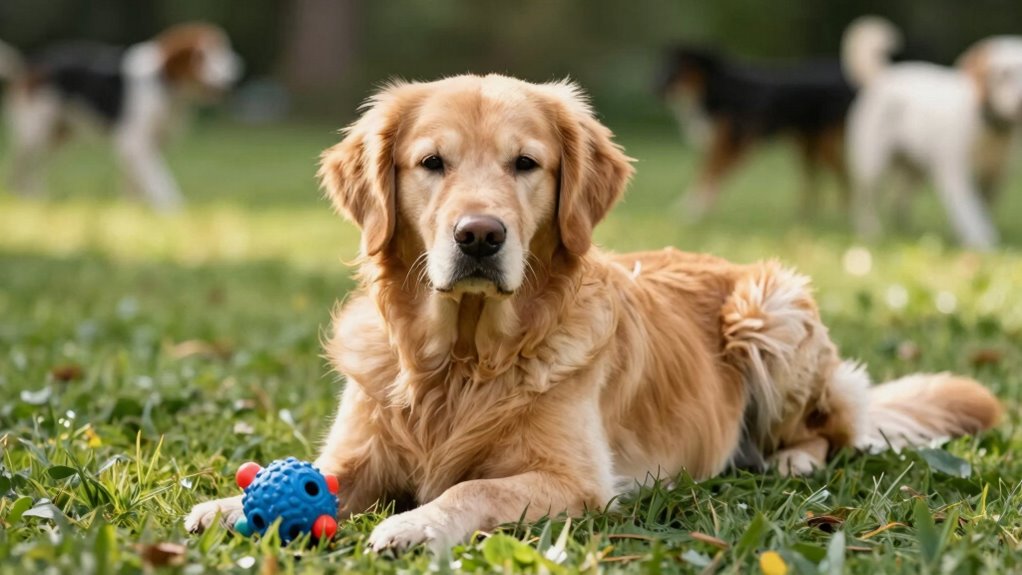
Not all dogs enjoy the hustle and bustle of group play; some prefer the quiet of solo activities. If you’ve noticed your dog avoiding the chaos of dog parks or playgroups, it’s likely because their dog socialization and playstyle preferences lean toward solitude. Every dog has a unique personality, and understanding these differences can help you create a comfortable environment for your pet. While many dogs thrive on social interactions, others find comfort in individual pursuits that suit their temperament. Recognizing and respecting this can prevent stress and promote a happier, healthier lifestyle for your dog.
Not all dogs enjoy group play; some prefer peaceful solo activities for a happier, stress-free life.
Your dog’s playstyle preferences are key to understanding why they might shy away from group activities. Some dogs are naturally more introverted, preferring to observe rather than participate. They may find loud, crowded settings overwhelming or simply not enjoyable. For these dogs, solo play allows them to engage in activities at their own pace, whether it’s chewing on a toy, exploring new scents, or simply resting. This preference doesn’t mean they’re antisocial; it just means they prefer a different approach to stimulation. Giving them the opportunity to engage in solo activities ensures they get mental and physical exercise without unnecessary stress. Understanding dog behavior can help owners recognize these subtle cues and adapt accordingly. Additionally, providing appropriate enrichment tailored to their preferences can greatly enhance their well-being. Engaging in solo play can also help build their confidence and independence in a safe environment. Moreover, understanding dog personality traits can assist owners in creating a balanced routine that respects their dog’s individual needs.
Dog socialization plays a significant role in shaping your dog’s comfort level with group play, but it’s not the only factor. Some dogs, even after socialization, prefer to keep their distance when others are around. This could be due to past experiences, breed tendencies, or individual personality traits. For example, more reserved or sensitive breeds might find social gatherings intimidating. In such cases, supporting their choice to enjoy solo play isn’t just respectful—it’s necessary for their emotional well-being. Providing a variety of enriching solo activities, like puzzle toys or safe outdoor exploration, can help them stay engaged and happy. Recognizing these individual differences can lead to a more fulfilling and stress-free life for your dog. Recognizing personality traits is essential for tailoring their activities and ensuring their emotional health.
You can also help your dog feel more comfortable around others without forcing them into group play. Gradually introducing calm, controlled interactions can build their confidence. But if they still prefer solitary play, it’s important to honor that preference. Not every dog needs a pack to be fulfilled; some find their contentment in quiet, individual pursuits. As a responsible pet owner, you’re best served by observing their cues and tailoring their activities accordingly. Respecting their playstyle preferences ensures your dog remains balanced, stress-free, and truly happy in their daily routine.
Products Worth Considering

Fi Series 3+ GPS Dog Collar & Tracker, Membership Required, Gray Large

Shark AI Ultra Robot Vacuum with 60-Day Self-Emptying Base, Black (AV2511AE)

iRobot Roomba Max 715 Pet Robot Vacuum with AutoEmpty Dock
As an affiliate, we earn on qualifying purchases.
Frequently Asked Questions
Do Age or Breed Influence a Dog’s Preference for Solo Play?
Age and breed definitely influence your dog’s preference for solo play. Younger dogs or certain breeds with independent temperaments might prefer solo activities because they’re less interested in playgroup dynamics or social behavior. Older dogs or highly social breeds often enjoy group play, but some still prefer their own space. Recognizing these differences helps you choose the right environment, ensuring your dog’s playtime is enjoyable and stress-free.
Can Training Change a Dog’s Preference for Solo or Group Play?
Yes, training can influence your dog’s play preferences. With the right training techniques and socialization strategies, you can gently encourage your dog to enjoy group play or feel comfortable playing solo. Consistent positive reinforcement and gradual exposure help reshape their behavior, making them more adaptable. Keep patience high; your efforts can open up new social skills and preferences, transforming playtime into a more enriching experience tailored to your dog’s unique personality.
How Do Environmental Factors Affect a Dog’s Play Preferences?
Environmental factors greatly influence your dog’s play preferences. Environmental enrichment, like stimulating toys and varied surroundings, encourages active play and can make your dog more social. Conversely, social isolation may lead your dog to prefer solo activities, as they lack opportunities to interact and develop social skills. Providing a balanced environment helps your dog feel comfortable whether playing alone or with others, shaping their natural tendencies and preferences.
Is There a Link Between a Dog’s Personality and Play Style?
Your dog’s personality directly influences its play style, and the connection is as obvious as the sun rising. If your dog is independent and reserved, it’s likely to prefer solo play, while outgoing, social dogs thrive in group activities. Understanding your dog’s unique personality helps you tailor playtime, ensuring they feel comfortable and engaged. Recognizing these traits allows you to support your dog’s natural tendencies and foster happier, healthier play experiences.
What Signs Indicate a Dog Prefers Solitary Activities?
If your dog shows independent behavior and often isolates themselves from other dogs, they likely prefer solitary activities. Signs include choosing to stay alone during playtime, avoiding social interactions, and showing little interest in group activities. They may also relax better when alone and seem content with solo toys. These behaviors suggest your dog enjoys independence and social withdrawal, indicating they prefer to engage in activities on their own rather than in a group.
Conclusion
So, if your dog prefers solo adventures over group play, don’t think they’re just being picky—they might be on a secret mission to conquer the entire backyard or master the art of the perfect nap. Their independent streak is so strong, it’s practically a superpower! Embrace their unique personality, because in their world, solo play isn’t just a preference—it’s an epic quest for greatness. And honestly, who wouldn’t want a dog with such legendary independence?