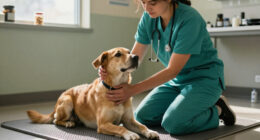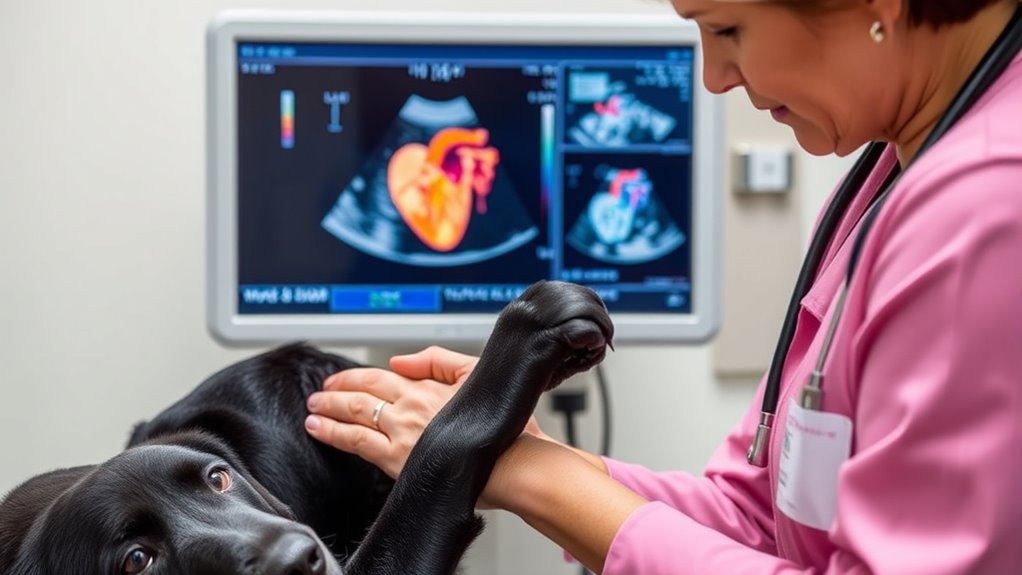

To detect heart disease early in your dog, schedule regular check-ups with your vet, especially if they belong to a breed at higher risk. Watch for subtle signs like reduced activity, coughing, or difficulty breathing, and keep an eye on weight changes. Diagnostic tests like X-rays and echocardiograms can spot issues before symptoms become obvious. Staying vigilant and proactive helps improve your dog’s health—keep going to find out more about how to protect their heart.

Get pet supplies delivered free with Prime
- Fast, free delivery on millions of items
- Prime Video, Amazon Music and more included
- Member-only deals all year
Key Takeaways
- Regular veterinary check-ups and screenings can identify early signs of heart disease before symptoms appear.
- Recognizing subtle behavioral and physical changes, such as coughing or activity decline, aids in early detection.
- Breed-specific risk awareness helps prioritize screening for high-risk dogs like Cavaliers and Dobermans.
- Diagnostic tests like echocardiograms and X-rays provide early insights into heart health status.
- Maintaining a healthy diet and monitoring weight reduces risk factors and supports early intervention efforts.
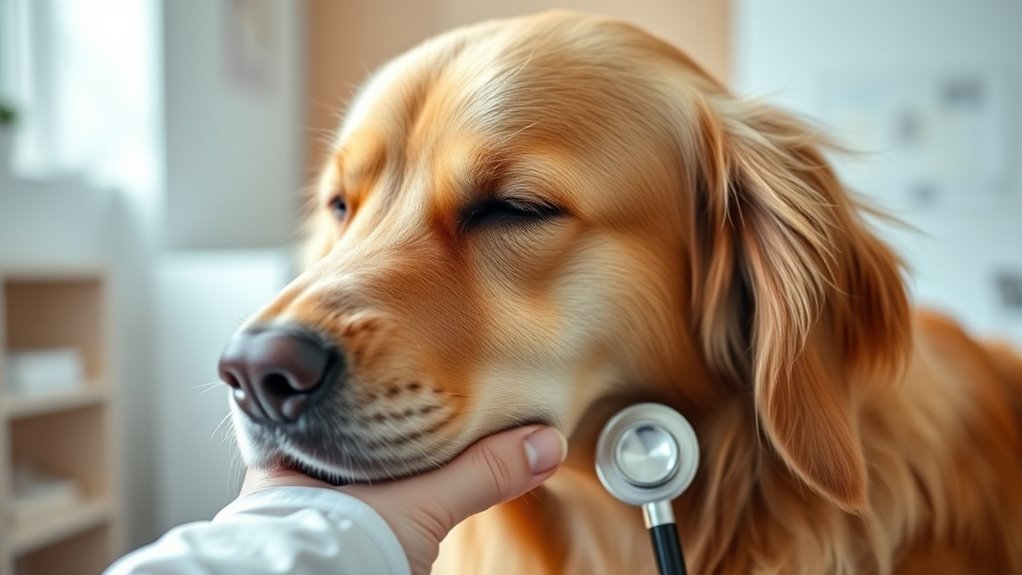
Detecting heart disease early in dogs can make a significant difference in their treatment and quality of life. Recognizing the signs and understanding the risk factors allow you to take proactive steps to protect your furry friend’s health. One key aspect to consider is genetic predisposition. Some breeds, like Cavalier King Charles Spaniels, Doberman Pinschers, and Boxers, are more prone to developing certain heart conditions. If your dog belongs to a breed known for these issues, you should be especially vigilant. Regular check-ups and early screenings become essential, as they can reveal subtle changes before your dog shows obvious symptoms.
In addition to breed-related risks, managing your dog’s diet plays a crucial role in early detection and prevention. A balanced diet tailored to your dog’s specific needs helps maintain their cardiovascular health and can reduce the workload on their heart. Obesity, often linked to poor diet management, increases the risk of heart disease; therefore, feeding your dog high-quality, portion-controlled meals is vital. When you prioritize diet management, you’re not only supporting your dog’s overall health but also making it easier to spot any deviations from normal behavior or weight gain that might signal underlying heart problems.
Monitoring your dog closely for subtle signs of heart disease is equally important. Changes in activity levels, persistent coughing, difficulty breathing, or fainting episodes require immediate attention. These symptoms can be easy to overlook or attribute to aging, but early detection hinges on your attentiveness and understanding of your dog’s usual behavior. Regular veterinary visits, especially if your dog has a genetic predisposition, help catch issues early. Your vet may recommend diagnostic tests such as X-rays, echocardiograms, or blood work, which can identify early signs of heart disease before your dog exhibits overt symptoms.
As an affiliate, we earn on qualifying purchases.
Frequently Asked Questions
Can Heart Disease Be Prevented in Dogs?
Heart disease in dogs can’t always be prevented, but you can reduce the risk by managing genetic factors through responsible breeding and regular vet check-ups. Maintaining a healthy weight, providing proper exercise, and offering a balanced diet also help. If your dog is at risk, medication options like ACE inhibitors or diuretics can support heart health. Staying vigilant and proactive guarantees you catch issues early and keep your dog healthier longer.
What Breeds Are Most at Risk?
You should know that certain breeds are more at risk for heart disease due to breed predispositions and genetic factors. Small breeds like Cavalier King Charles Spaniels, Dachshunds, and Miniature Schnauzers are especially vulnerable. Larger breeds such as Doberman Pinschers and Boxers also face higher risks. Recognizing these breed predispositions helps you stay vigilant, schedule regular vet checkups, and catch any issues early to guarantee your dog’s heart health.
How Often Should My Dog Get Screened?
You should schedule routine screening for your dog at least once a year, especially if they’re a breed at higher risk. Regular check-ups help with risk assessment and catching issues early. If your dog shows symptoms or has a history of heart problems, your vet might recommend more frequent screenings. Staying proactive guarantees you catch heart concerns early, giving your dog the best chance for a healthy, happy life.
Are There Specific Diets That Help Prevent Heart Disease?
You can help prevent heart disease in your dog by choosing a diet with low sodium, which supports healthy blood pressure and heart function. Incorporate nutritional supplements like omega-3 fatty acids, which reduce inflammation and improve heart health. Always consult your veterinarian to tailor the best diet plan for your dog’s specific needs, ensuring balanced nutrition and reducing the risk of heart issues down the line.
What Are Early Signs of Heart Disease in Puppies?
Did you know that up to 15% of puppies have undetected congenital heart issues? Early signs of heart disease in puppies include persistent coughing, difficulty breathing, lethargy, and poor growth. You can enhance your puppy’s health by monitoring these symptoms closely. Recognizing early signs helps catch congenital heart problems early, allowing for prompt veterinary care. Staying vigilant and attentive ensures your puppy’s heart health and overall well-being.
As an affiliate, we earn on qualifying purchases.
Conclusion
Just as a watchful eye can catch a thief before damage is done, early detection of heart disease in dogs allows you to act swiftly and protect your furry friend’s health. Remember, every heartbeat is a story—listening carefully can save a life. By staying vigilant and seeking prompt vet visits, you’re giving your dog the gift of more happy, healthy days ahead. Don’t wait for signs to become storms; catch them early and steer clear.
veterinary diagnostic X-ray for dogs
As an affiliate, we earn on qualifying purchases.
As an affiliate, we earn on qualifying purchases.
As an affiliate, we earn on qualifying purchases.
Halloween Picks
halloween
As an affiliate, we earn on qualifying purchases.