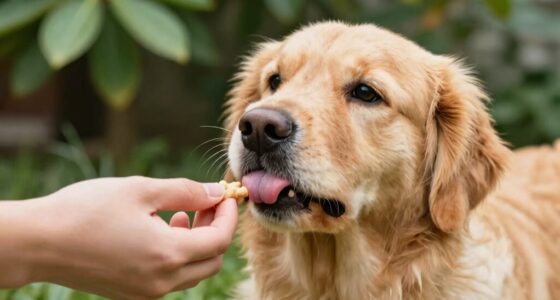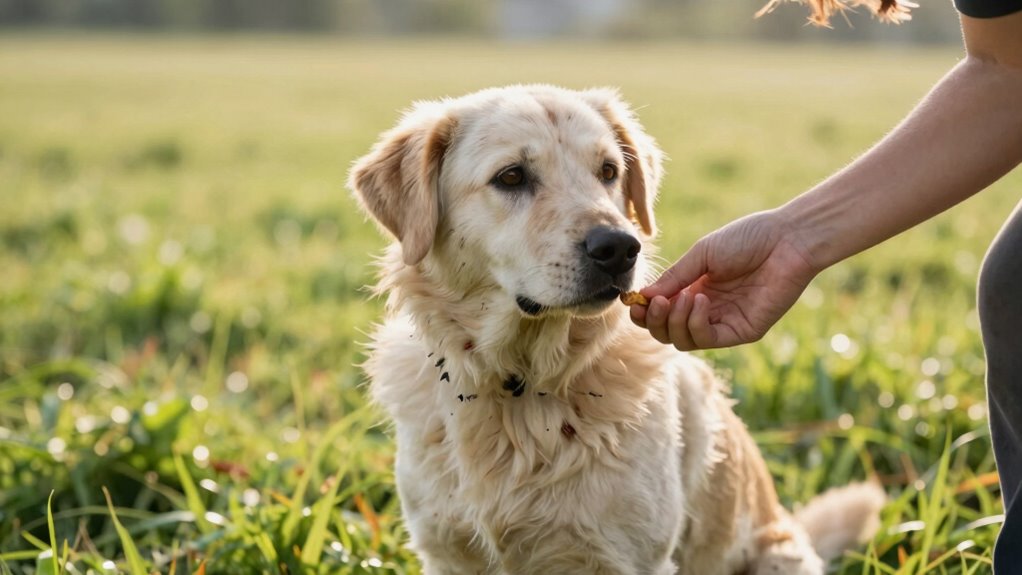

Rescue dogs often need slower training because of their past trauma, neglect, or abuse. They might have trust issues, anxiety, or fears that require gentle, patient approaches. Building confidence and emotional resilience takes time, and rushing can cause setbacks. Consistent routines and calm environments help them feel safe and secure. If you want to understand how to support their recovery effectively, you’ll discover more strategies to help them thrive.

Get pet supplies delivered free with Prime
- Fast, free delivery on millions of items
- Prime Video, Amazon Music and more included
- Member-only deals all year
Key Takeaways
- Rescue dogs often have trauma or neglect histories, requiring gradual trust-building and patience.
- Deep-seated fears and anxieties slow their ability to learn new commands or behaviors quickly.
- Past negative experiences can cause sensitivities, making sudden stimuli or rapid training overwhelming.
- Emotional healing and behavior modification take time, extending the training process beyond typical timelines.
- Consistent, gentle approaches are essential to prevent setbacks and promote long-term trust and confidence.
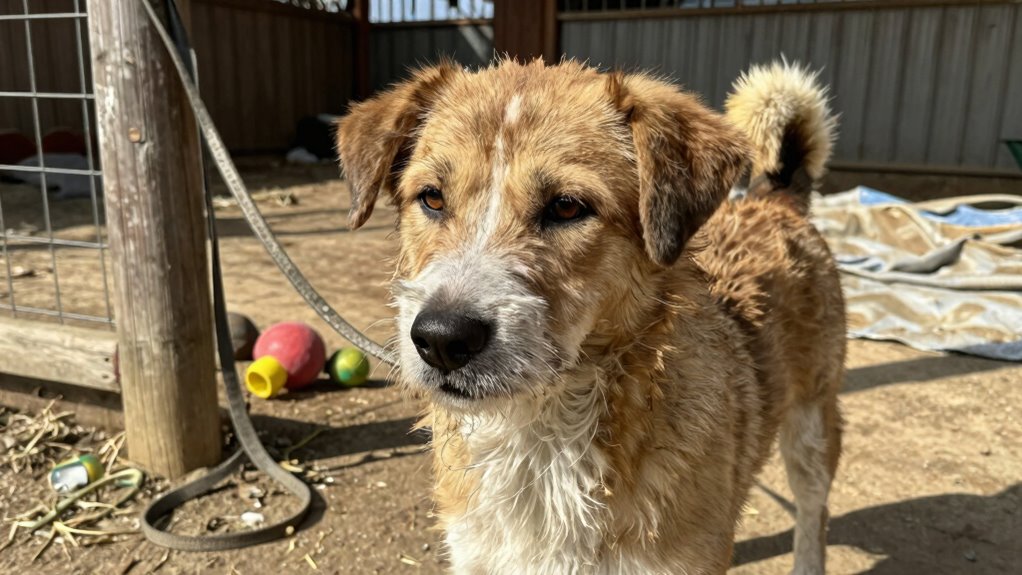
Have you ever wondered why some rescue dogs take longer to train? It’s often because they face unique hurdles that can slow down the process. Many rescue dogs arrive with a history of neglect, abuse, or uncertainty, which means their behavior needs careful modification before they can fully trust and respond to new commands. Behavior modification becomes essential as you work to help them overcome fears, anxiety, or aggressive tendencies that stem from their past experiences. This isn’t just about teaching commands; it’s about rebuilding their confidence and reshaping their reactions to the world around them. Because of these deep-seated issues, progress can be slow, and patience becomes your best tool.
Rescue dogs need patience and care to rebuild trust and overcome past trauma.
Another significant factor contributing to the slower pace is socialization challenges. Rescue dogs often haven’t been exposed to a variety of people, animals, or environments, which can leave them wary or overwhelmed. Unlike puppies that naturally learn social skills early on, adult rescue dogs might need to relearn how to interact calmly and safely with others. This process takes time, as you must carefully introduce them to new experiences without overwhelming them. Rushing these socialization efforts can cause setbacks, making it even more critical to proceed gradually and with positive reinforcement. In addition, their past trauma can heighten their sensitivity to new stimuli, requiring a trauma-informed approach to training. Incorporating a calm and predictable environment can significantly support their emotional stability and reduce stress during the training process. Recognizing the importance of consistent routines can further help them feel secure and reduce anxiety.
You might find that some rescue dogs are initially more reactive or hesitant, requiring you to tailor your training approach. You’ll spend extra time building trust, ensuring they feel safe and secure before expecting them to learn commands or behave calmly in different settings. You can help ease this process by providing consistent routines and clear boundaries, which reinforce their sense of security. You’ll spend extra time building trust, ensuring they feel safe and secure before expecting them to learn commands or behave calmly in different settings. This can involve patience, repeated exposure, and gentle encouragement, which naturally extends the training timeline. Remember, their past experiences don’t just hinder their ability to learn quickly—they also influence their emotional resilience. That’s why behavior modification isn’t a quick fix; it’s a continuous process that demands a gentle, consistent approach. Recognizing the importance of trauma-informed training can help you better support their recovery process.
Because of these factors, progress can seem frustratingly slow at times, but your persistence pays off. Each small victory, whether it’s gaining a little more confidence or learning a simple command, signifies a step forward in their recovery. It’s important to recognize that rescue dogs often need more time to adapt and learn than puppies or dogs with stable backgrounds. Your understanding and patience are crucial. By focusing on gradual, positive interactions and addressing behavior modification and socialization challenges head-on, you lay a solid foundation for a trusting, well-adjusted companion. This slower, thoughtful approach ultimately results in a happier, more confident dog who’s ready to embrace their new life with you.
rescue dog calming training collar
As an affiliate, we earn on qualifying purchases.
As an affiliate, we earn on qualifying purchases.
Frequently Asked Questions
How Long Does Slow Training Typically Take for Rescue Dogs?
Slow training for rescue dogs typically takes several weeks to months, depending on their individual needs. Your patience during training and their adjustment periods are key. You might see progress in small steps, especially if your dog has experienced trauma or neglect. Consistent training, gentle encouragement, and understanding help establish trust. Remember, every rescue dog’s pace is different, so staying patient and supportive guarantees they adapt comfortably and learn effectively over time.
Can Rescue Dogs Ever Be Fully Trained Like Puppies?
Research shows that around 70% of rescue dogs can reach full training, similar to puppies, with patience. You can achieve this through consistent behavioral rehabilitation and tailored socialization strategies. While rescue dogs may have past traumas, many can learn commands and manners just like puppies. Your dedication to gradual progress, understanding their unique needs, and positive reinforcement will help them become well-trained companions, regardless of their initial challenges.
What Signs Indicate a Rescue Dog Is Overwhelmed?
You’ll notice signs like tense body language, avoiding eye contact, or sudden withdrawal when a rescue dog feels overwhelmed. Trauma triggers, such as loud noises or unfamiliar people, can make this worse. To help, focus on trust building through gentle interactions and consistent routines. Watch for these cues, and give your dog space to relax, ensuring they don’t become overstimulated, which is essential for their recovery and training progress.
Are Some Breeds More Prone to Needing Slower Training?
Yes, some breeds are more prone to needing slower training due to breed behavior and genetic predispositions. For example, herding or retriever breeds may become easily overwhelmed or distracted, requiring patience and gentle pacing. Recognize that individual dogs vary, but understanding breed tendencies helps you tailor training. By adjusting your approach based on these factors, you guarantee your rescue dog feels safe and confident, making progress more effective and less stressful.
How Do I Motivate a Rescue Dog to Learn Faster?
To motivate your rescue dog to learn faster, focus on positive reinforcement and engaging behavior modification techniques. Use treats, praise, and play to reward progress, making training enjoyable. Incorporate socialization techniques to build confidence and reduce fear. Keep training sessions short and consistent, and be patient. Your encouragement and understanding will help your dog stay motivated, learn quicker, and build a trusting bond with you.
gentle dog training treats for trauma recovery
As an affiliate, we earn on qualifying purchases.
As an affiliate, we earn on qualifying purchases.
Conclusion
Think of rescue dogs as a garden after a storm—still fragile, needing gentle care and patience to bloom. Rushing their training is like forcing flowers to open before they’re ready; it can cause setbacks instead of growth. By moving at a slower pace, you’re nurturing their trust and resilience, helping them blossom into confident companions. Patience turns the process into a beautiful garden, where each small step leads to a thriving, happy dog by your side.
As an affiliate, we earn on qualifying purchases.
trauma-informed dog training book
As an affiliate, we earn on qualifying purchases.
As an affiliate, we earn on qualifying purchases.
Fall Picks
fall essentials
As an affiliate, we earn on qualifying purchases.