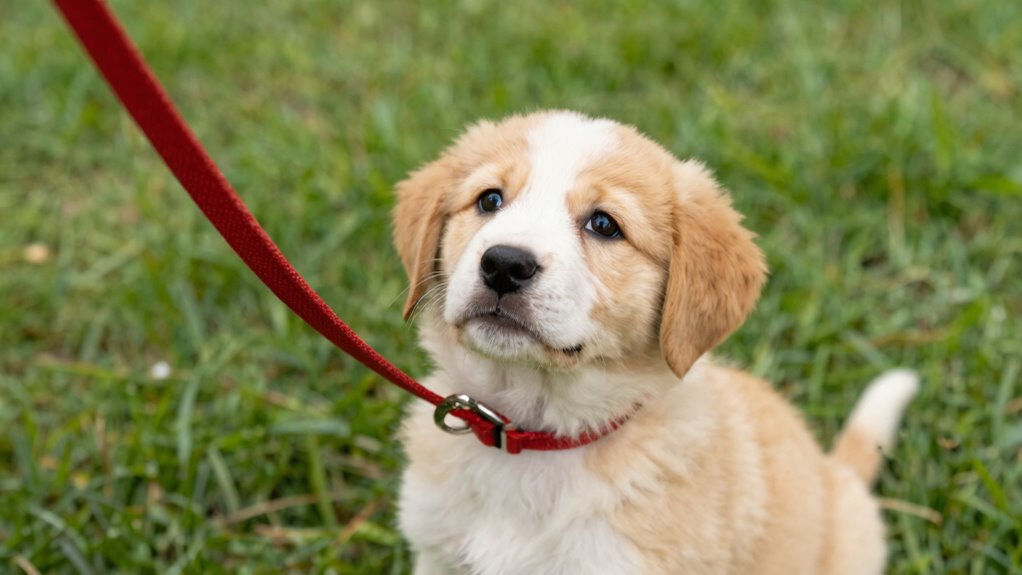

Puppy leash refusal often happens during normal growth stages, as they may feel fear or confusion. It’s important to stay patient and use positive reinforcement like treats and praise to build trust. Avoid pulling, rushing, or harsh corrections, which can increase resistance. Instead, keep training short, calm, and consistent, gradually increasing difficulty. If you’re patient and gentle, your puppy will learn to enjoy walks. Keep going, and you’ll discover more ways to help your pup feel confident.

Get pet supplies delivered free — and shop member deals
- Fast, free delivery on millions of items
- Access to Prime Big Deal Days deals on October 6–7
- Prime Video, Amazon Music and more included
Key Takeaways
- Leash refusal often results from puppy fear, confusion, or growth stages, not defiance.
- Common mistakes include pulling, rushing, harsh corrections, and inconsistent commands.
- Positive reinforcement, patience, and gradual exposure build trust and confidence.
- Short, distraction-free sessions with treats encourage gradual progress.
- Consistency and understanding developmental phases are key to overcoming leash resistance.
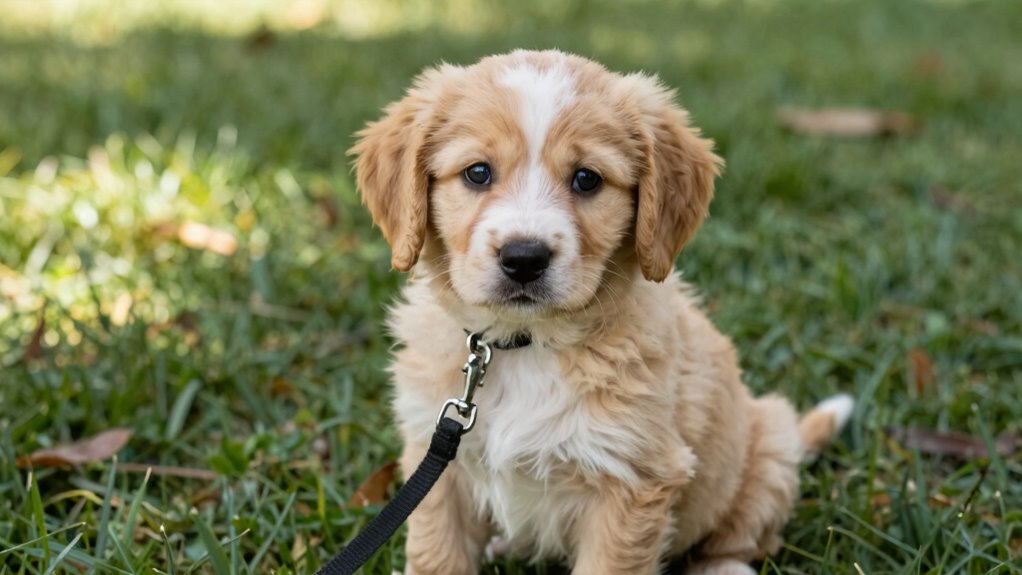
If your puppy suddenly refuses to walk on the leash, it can be frustrating and confusing. You might wonder what changed or what you did wrong. The good news is, leash refusal is often a normal part of puppy development and can usually be addressed with the right approach. Understanding the common reasons behind this behavior can help you decide on effective training techniques. It’s important to recognize that many pet owners fall into common mistakes that hinder progress, such as pulling too hard on the leash, rushing the puppy, or not offering enough positive reinforcement. These missteps can make your puppy associate the leash with discomfort or frustration, intensifying their refusal.
Leash refusal often stems from normal puppy development; patience and positive reinforcement are key to overcoming it.
The most effective way to address leash refusal is to approach it with patience and consistency. Begin by observing your puppy’s reactions when you introduce the leash. Some puppies might be afraid of the noise or sensation, while others simply don’t understand what’s expected. Using gentle, positive reinforcement training techniques can help. For example, reward your puppy with treats or praise when they approach the leash calmly or step into it willingly. Avoid using punishment or harsh corrections, as these often make the problem worse. Instead, focus on creating a positive training environment with lots of encouragement and rewards. Establishing a trust-based relationship is crucial for successful leash training. A step-by-step approach can be especially helpful for puppies who are new to leash training.
Another common mistake is rushing your puppy or trying to force them to walk. If they resist, pause and give them time to get comfortable. Keep training sessions short and engaging, gradually increasing duration as your puppy becomes more confident. Use treats to lure them forward or to encourage them to take small steps. If your puppy pulls back or resists, don’t yank the leash; instead, gently stop and wait for them to relax before proceeding. This teaches them that pulling or refusing won’t get them anywhere, but calm behavior will.
It’s essential to remember that leash refusal doesn’t happen overnight. You need to be consistent and patient. Regularly practice in a distraction-free environment before gradually introducing more exciting surroundings. Watch out for common mistakes like inconsistent commands or neglecting to praise good behavior, which can slow progress. Keep your training techniques positive and reward-based, and always be attentive to your puppy’s comfort and cues. Recognizing puppy development phases and adjusting your training accordingly can make a significant difference. With time and patience, your puppy will learn that walking on the leash is a safe, enjoyable experience. The key is understanding their feelings, avoiding common mistakes, and sticking with gentle, positive reinforcement to build confidence and trust.
As an affiliate, we earn on qualifying purchases.
Frequently Asked Questions
How Can I Prevent My Puppy From Refusing the Leash Initially?
To prevent your puppy from refusing the leash initially, focus on positive leash training and prioritize your puppy’s comfort. Start by letting your puppy explore the leash without forcing it. Use treats and praise to create a positive association with the leash, making it a comfortable experience. Gradually introduce the leash during short sessions, so your puppy feels safe and confident, easing into leash training smoothly.
What Are Common Signs My Puppy Is Uncomfortable on the Leash?
You’ll notice your puppy shows discomfort on the leash through signs like pulling away, tensing their body, or avoiding eye contact. Use positive training techniques to ease their anxiety and consider leash accessories like harnesses or gentle leaders for better control and comfort. If your pup resists, take a break, offer treats, and gradually introduce the leash, making the experience positive to help them feel secure during walks.
Does Age Affect a Puppy’s Willingness to Accept a Leash?
Yes, age affects a puppy’s willingness to accept a leash. Younger puppies often have more puppy independence, making leash training techniques essential early on. As they grow, they become more receptive to leash training, but patience is key. You should start leash training early, using positive reinforcement and gradual exposure, ensuring your puppy builds confidence. The right approach helps your puppy see the leash as a positive experience, regardless of age.
Are Certain Leash Types Better for New Puppies?
Choosing the right leash for your puppy is like picking a gentle handshake—comfort matters. For leash training, a lightweight, adjustable harness or a soft nylon leash works best, especially for new puppies. These types reduce discomfort and help shape positive puppy behavior. Avoid heavy or restrictive leashes initially, as they may increase resistance. The right leash encourages confidence, making your puppy more willing to accept and enjoy leash training sessions.
How Long Does It Typically Take for a Puppy to Accept the Leash?
It typically takes a puppy a few days to a couple of weeks to accept the leash. You should focus on training consistency and positive reinforcement during this period. Keep sessions short and fun, rewarding your pup with treats and praise whenever they show curiosity or calm behavior around the leash. This approach helps your puppy associate the leash with positive experiences, making acceptance quicker and easier.
As an affiliate, we earn on qualifying purchases.
Conclusion
In the end, understanding your puppy’s leash refusal is all about patience, persistence, and positive reinforcement. By recognizing the reasons behind their resistance, you can transform tension into trust and turmoil into training. Stay steady, support their small strides, and celebrate every step forward. Remember, consistent compassion creates confident companions. With time, your tiny troublemaker turns into a trusting trail partner, transforming leash refusal into lively, love-filled adventures. Consistency and care cultivate a confident, cooperative canine.
positive reinforcement puppy leash
As an affiliate, we earn on qualifying purchases.
As an affiliate, we earn on qualifying purchases.
puppy training clicker and treats
As an affiliate, we earn on qualifying purchases.
As an affiliate, we earn on qualifying purchases.
Fall Picks
fall essentials
As an affiliate, we earn on qualifying purchases.