
Many owners miss the critical socialization window in their puppy’s early weeks, often by not providing enough positive, varied experiences. This missed opportunity can lead to shy, reactive, or anxious dogs later in life, making behavioral issues harder to manage. By exposing your puppy to different textures, people, and environments early on, you set the foundation for confidence and adaptability. Stick around to discover how you can make the most of this essential period and set your dog up for success.

Get pet supplies delivered free — and shop member deals
- Fast, free delivery on millions of items
- Access to Prime Big Deal Days deals on October 6–7
- Prime Video, Amazon Music and more included
Key Takeaways
- Owners often miss the critical 3-14 week socialization window, delaying exposure to new stimuli and experiences.
- Many neglect intentional, positive interactions during early weeks, hindering puppies’ confidence and adaptability.
- Lack of early socialization leads to fearfulness, reactivity, and behavioral issues in adulthood.
- Delayed socialization makes it harder for puppies to adapt to new environments and stimuli later in life.
- Owners underestimate the importance of early exposure, missing opportunities to foster resilience and well-roundedness.
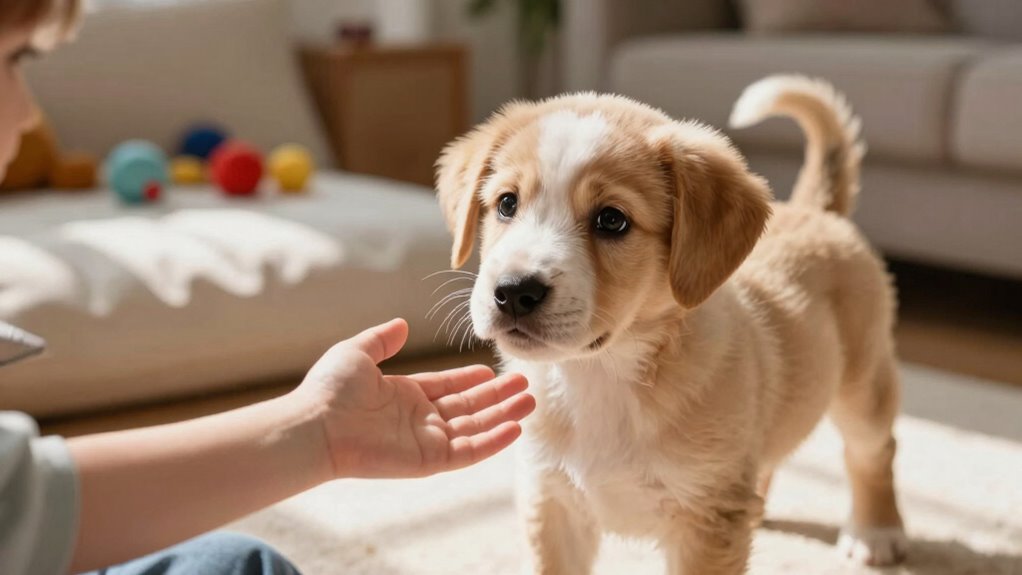
Many dog owners unknowingly miss the essential socialization period when their puppies are most receptive, often because they don’t realize how important those early weeks are. During this time, puppies are like sponges, eager to learn about the world around them. If you miss this window, your puppy’s behavior later in life can suffer, and social interactions may become challenging. Recognizing the significance of this period is your responsibility as an owner. Proper socialization helps your puppy develop confidence and adaptability, reducing future behavioral issues like fearfulness or aggression.
Missing your puppy’s socialization window can lead to behavioral challenges later in life.
In those first few weeks, your puppy is especially open to new experiences. Exposure to different people, animals, sounds, and environments helps shape how they’ll respond later in life. If you neglect these opportunities, your puppy might become shy, overly cautious, or even reactive when faced with new stimuli. It’s not enough to simply let your puppy interact randomly; intentional, positive exposure is key. You want your puppy to associate new experiences with comfort and safety, reinforcing good puppy behavior and reducing stress. early development stages are critical for shaping a resilient and well-adjusted dog.
As an owner, it’s your job to create a controlled, positive environment where your puppy can safely explore. Socialization isn’t just about meeting other dogs; it’s about broadening your puppy’s understanding of the world. Introduce them to different textures, surfaces, and sights. Let them meet friendly people of all ages and appearances. Keep these encounters calm and pleasant, rewarding your puppy for calm behavior. This proactive approach ensures your puppy doesn’t develop fears or anxieties that could persist into adulthood. Remember, developing a positive socialization routine early on can significantly influence your puppy’s confidence and stress levels later in life.
Failing to socialize your puppy during this critical period often results in behavioral challenges that are tougher to manage later. Many owners underestimate how early socialization needs to start and assume puppies will naturally adjust when they’re older. But the reality is, the longer you wait, the harder it becomes for your puppy to adapt comfortably. It’s your responsibility to seek out puppy classes, arrange safe playdates, and introduce them to different environments early on. This is where understanding socialization window importance becomes vital for long-term success. Additionally, creating environments with proper ventilation can help ensure your puppy remains comfortable and stress-free during social interactions, promoting better learning and adaptation.
Ultimately, your role as an owner is to guide your puppy through these formative weeks with patience and purpose. By actively engaging in socialization, you’re not just preventing future problems—you’re helping your puppy grow into a well-rounded, happy dog. Remember, the socialization window is brief but essential, and the effort you put in now will pay off for years to come. Don’t let this opportunity slip away—your puppy’s future behavior depends on it.
As an affiliate, we earn on qualifying purchases.
Frequently Asked Questions
When Is the Ideal Age to Start Socializing a Puppy?
You should start socializing your puppy between 3 and 14 weeks old, during their critical socialization window. During this time, puppy milestones include accepting new people, animals, and environments. Use gentle socialization techniques like positive reinforcement and gradual exposure to new experiences. This early socialization helps prevent future behavioral issues, ensuring your pup grows into a confident, well-adjusted dog. Don’t wait—timely socialization is key!
How Can I Tell if My Dog Is Overstimulated During Socialization?
Your dog’s signals are like a flickering lighthouse—if you notice excessive yawning, lip licking, paw lifting, or pacing, they’re overstimulated. These signs indicate your pup’s emotional battery is draining. To calm them, use gentle petting, a quiet space, or soothing words as calming techniques. Recognizing these signs early helps you prevent stress overload, ensuring socialization remains a positive experience rather than an overwhelming storm.
Are There Specific Breeds That Require Different Socialization Approaches?
Yes, certain breeds require tailored socialization approaches because of breed-specific behavior and socialization nuances. For example, herding breeds might need extra mental stimulation, while terriers may be more independent. Recognizing these differences helps you adapt your training to suit each breed’s unique needs. By understanding breed-specific behavior, you guarantee your dog feels comfortable and confident during socialization, preventing overstimulation or fear responses.
What Are Common Mistakes Owners Make During the Socialization Window?
You might unknowingly let socialization mistakes slip by, like missing the chance to introduce your pup to new sights and sounds during their vital window. Owner misconceptions, such as thinking socialization is a one-time event, can hinder progress. Instead, you should consistently expose your dog to different environments, people, and other animals, ensuring they build confidence. Ignoring these details risks creating a shy or aggressive adult dog.
How Long Does the Socialization Window Typically Last?
The socialization window during puppy development usually lasts from 3 to 14 weeks. During this critical period, you should use effective socialization techniques to expose your puppy to different people, animals, and environments. This helps build confidence and reduces fearfulness later. If you miss this window, it becomes harder to socialize your pup properly, so focus on positive experiences now to guarantee a well-adjusted adult dog.
dog positive reinforcement training toys
As an affiliate, we earn on qualifying purchases.
As an affiliate, we earn on qualifying purchases.
Conclusion
Missing the socialization window can lead to shy or anxious dogs, like Lucy, who missed out on vital early interactions. Imagine her hesitating around new people, missing out on joyful play and bonds. If you start socializing your pup during this essential period, you set them up for a confident, well-adjusted life. Don’t let this window slip away—your dog’s happiness and future depend on it. Act now, and give them the best start possible.
As an affiliate, we earn on qualifying purchases.
dog socialization training collar
As an affiliate, we earn on qualifying purchases.
As an affiliate, we earn on qualifying purchases.
Fall Picks
fall essentials
As an affiliate, we earn on qualifying purchases.