To do a cold-air test tonight, close all your doors and windows, then turn off your heating or cooling system. Stand outside near the dog door and watch for cold air rushing in or gaps around the frame. Carefully check for drafts and tiny openings that might let heat escape. If you notice leaks, it’s a good idea to think about upgrading to an insulated door. Keep going to discover tips for proper installation and better energy efficiency.

Get pet supplies delivered free with Prime
- Fast, free delivery on millions of items
- Prime Video, Amazon Music and more included
- Member-only deals all year
Key Takeaways
- Close all doors and windows, turn off HVAC, then observe outside near the dog door for cold air or drafts.
- Check your current dog door’s seals and frame for gaps or damage that may let in cold air.
- Perform the cold-air test by feeling around the edges for chilly drafts or visible gaps during the test.
- Ensure your existing door fits snugly and consider sealing any gaps with weatherproof caulk for better insulation.
- If cold air is detected, upgrade to an insulated dog door with foam-filled panels or double flaps for improved efficiency.
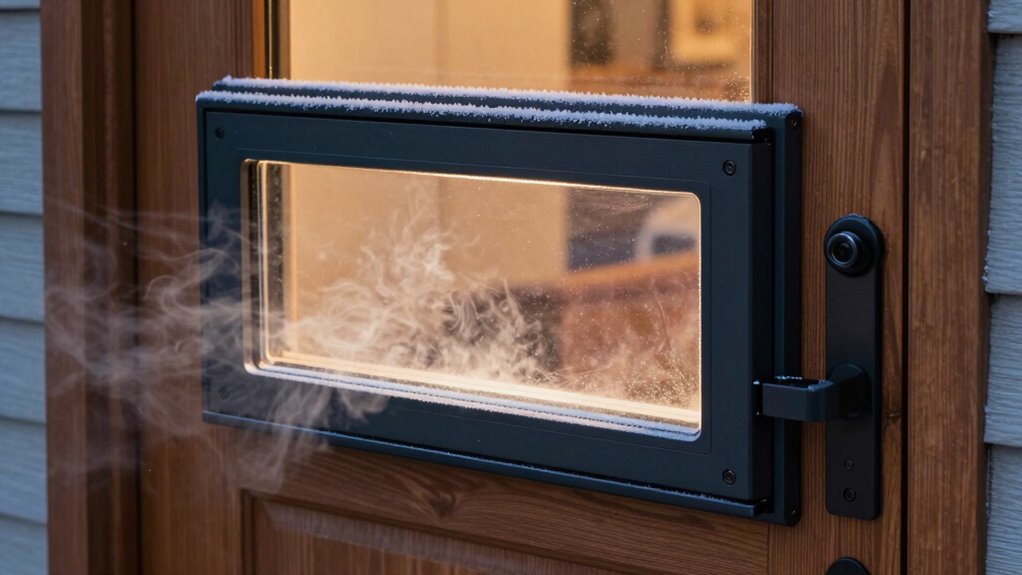
If you want to keep your dog comfortable and your energy bills in check, an insulated dog door is a smart investment. These doors are designed to minimize drafts and heat loss, making your home more energy-efficient. But to ensure you get the full benefits, you need to perform a simple cold-air test tonight. This quick check can reveal whether your current dog door, or a potential new one, effectively blocks cold drafts. It’s a straightforward process that can save you money and improve your pet’s comfort.
Start by closing all the doors and windows in your house, then turn off any heating or cooling systems. Stand outside near the door where you plan to install or have installed the insulated dog door. Carefully observe the area around the door frame. If you notice a rush of cold air or see visible gaps, it indicates that your current setup isn’t as energy-efficient as it could be. Even tiny gaps can cause considerable heat loss over time, increasing your energy bills and making your home less comfortable.
Close all doors and windows, turn off HVAC, and check for cold drafts around your dog door.
Next, if you’re testing an existing door, check the weatherstripping and seals for wear or damage. If you find any cracks or gaps, it’s time to consider upgrading to a better-insulated door. When installing a new insulated dog door, pay close attention to the installation tips provided by the manufacturer. Proper installation is key to maximizing energy efficiency. For example, make sure the door fits snugly into the frame, and use weatherproof caulk or sealant to fill any gaps around the edges. Don’t forget to secure the door tightly and verify that it swings freely without letting cold air seep through.
Performing this cold-air test tonight allows you to identify problem spots and take corrective action. When choosing an insulated dog door, look for models with foam-filled panels or double flaps, which are known for superior insulation. Remember, the goal is to prevent drafts without making it difficult for your dog to go in and out comfortably. Proper installation tips, like ensuring a tight fit and sealing all gaps, are essential to achieving maximum energy efficiency. Keep in mind that a well-installed, insulated dog door can considerably reduce heat loss, keep your home warmer, and lower your energy bills—all while keeping your furry friend happy and comfortable.
Additionally, understanding the importance of home energy efficiency can guide you in making smarter upgrades that benefit both your pet and your wallet.
Frequently Asked Questions
How Do I Measure My Dog for the Best Door Size?
To measure your dog for the best door size, start by using measurement tips like a flexible tape measure. Have your dog stand naturally, then measure from the top of their shoulders to the ground, and around the widest part of their chest. Add a little extra space for comfort. This guarantees a perfect door size that’s easy for your dog to use without feeling cramped or restricted.
Are Insulated Dog Doors Suitable for All Weather Conditions?
Insulated dog doors are generally suitable for most weather conditions because their durable dog door material offers excellent weather resistance. They help keep cold drafts out during winter and prevent heat loss, making them ideal for cold climates. However, in extreme weather, you might want to think about additional insulation or weatherproofing measures. Overall, an insulated dog door provides reliable protection against varying weather conditions, keeping your pet comfortable year-round.
Can I Install an Insulated Dog Door Myself?
You can definitely handle DIY installation of an insulated dog door, but it’s not without its challenges. Picture yourself measuring precisely, cutting through the door or wall, and wielding the necessary tools—screwdrivers, drills, and perhaps a saw. With patience and proper tool requirements, you’ll create a snug, weatherproof fit that keeps the cold out and your pet happy. Ready to take on the project?
What Maintenance Is Required for Insulated Dog Doors?
You should regularly clean and inspect your insulated dog door to guarantee it stays weatherproofed and functions properly. Use mild soap and water for cleaning, and check for drafts or damage. Weatherproofing tips include sealing any gaps with weatherstripping and ensuring the door’s insulation remains intact. By maintaining these aspects, you’ll keep your pet comfortable and your home energy-efficient. Schedule maintenance at least twice a year for peak performance.
How Do Insulated Dog Doors Affect My Home’s Energy Efficiency?
Think of your insulated dog door as a thermal armor that guards your home’s energy. It minimizes drafts, keeps the warm air inside, and blocks cold outside air. This improves thermal insulation, making your home more energy-efficient. As a result, you’ll notice energy savings on your heating bills and a more comfortable environment for both you and your furry friend. Properly installed, it’s a smart upgrade for any cozy home.
Conclusion
Now that you know how to test your insulated dog door tonight, you can guarantee your pet stays warm and comfortable during cold nights. Remember, a properly insulated door can reduce heat loss by up to 30%, making a noticeable difference in your home’s warmth. Taking this simple step not only keeps your furry friend cozy but also helps save on energy bills. So, give it a try tonight and enjoy the peace of mind that comes with a well-insulated door.
Evergreen bestsellers Picks
bestsellers
As an affiliate, we earn on qualifying purchases.