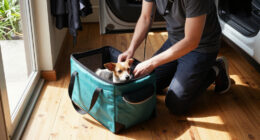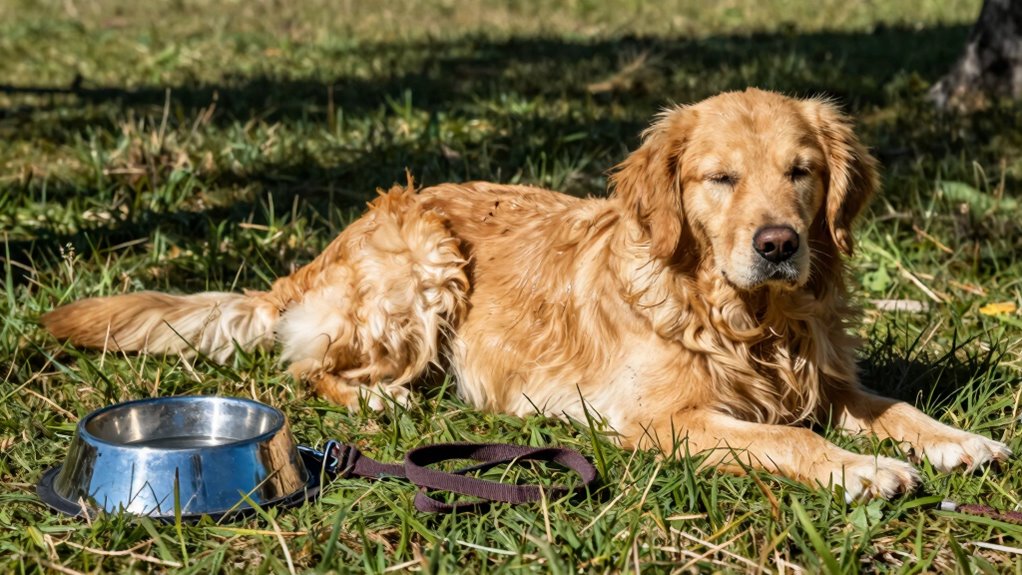
After big adventures, your dog needs recovery days to rest and recharge. Overexertion can cause fatigue, injuries, and behavior issues, so giving them time to recover supports their physical and mental health. Rest allows muscles to repair and helps prevent burnout. It’s also key for mental processing of new experiences. By planning rest days, you guarantee your dog stays happy, healthy, and ready for future fun. Keep exploring to discover how to best support your furry friend’s recovery needs.

Get pet supplies delivered free — and shop member deals
- Fast, free delivery on millions of items
- Access to Prime Big Deal Days deals on October 6–7
- Prime Video, Amazon Music and more included
Key Takeaways
- Recovery days allow muscles to repair and prevent injuries from intense physical activity.
- Rest helps prevent fatigue and behavioral issues caused by overexertion.
- Adequate downtime supports mental processing of new experiences and reduces stress.
- Proper recovery maintains overall physical health and boosts immune function.
- Recognizing signs of fatigue ensures safe activity levels and prevents overtraining.
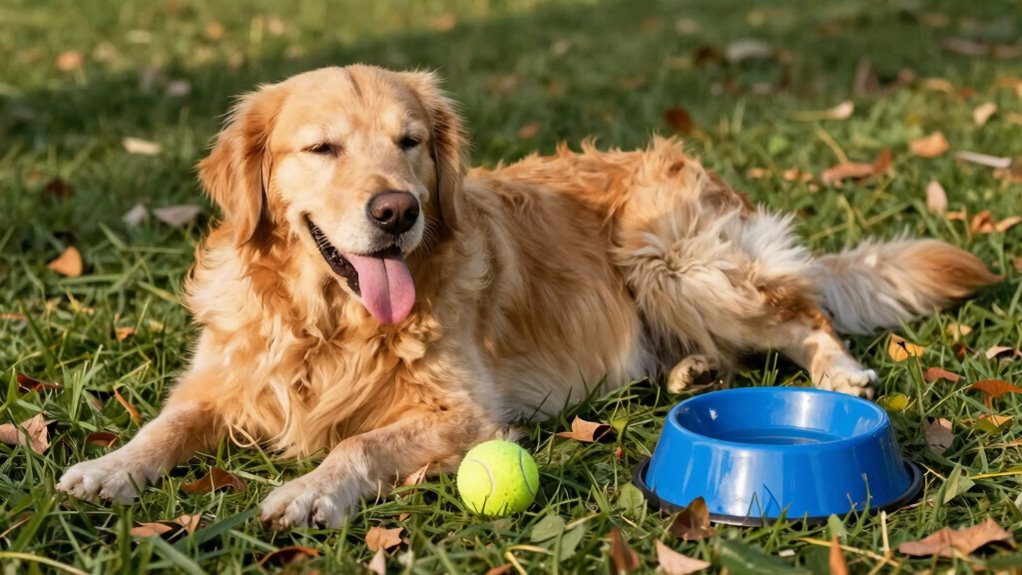
Every dog, no matter how energetic or well-trained, needs designated recovery days to rest and recharge. After a big adventure—like a long hike, a busy day at the park, or a rigorous training session—your dog’s body needs time to recover. Pushing them too hard without giving them proper downtime can lead to fatigue, injuries, or even behavioral setbacks. Rest days help their muscles repair, support their immune system, and allow their minds to process new experiences. It’s essential to recognize that recovery is just as important as activity, especially for dogs that are highly active or still in training phases. Incorporating sufficient rest periods into your routine ensures your dog’s physical and mental health remains balanced.
Every dog needs recovery days to rest and recharge after active adventures.
When your dog is recovering, it’s a good opportunity to focus on their overall well-being, including aspects like dog training and canine nutrition. Proper dog training isn’t just about commands and obedience; it’s also about understanding your dog’s limits. After an intense outing, they might be mentally exhausted, and pushing them further can cause frustration or confusion. Gentle reinforcement, short sessions, and positive reinforcement during recovery days help your dog retain training without overwhelming them. This approach allows you to reinforce good behaviors in a calm environment, making training more effective over time. Recognizing the importance of rest and recovery can significantly improve your dog’s overall behavior and happiness. Additionally, understanding physical limits helps prevent overexertion and injury.
Canine nutrition plays a vital role in helping your dog bounce back after big adventures. During recovery, it’s crucial to provide a balanced diet rich in high-quality proteins, healthy fats, and essential vitamins. These nutrients support muscle repair, boost energy levels, and strengthen their immune system. Consider incorporating a little extra hydration and easily digestible foods if your dog has been especially active. Avoid overfeeding, but ensure they receive enough calories to replenish lost energy. Proper nutrition during recovery days helps prevent fatigue and keeps your dog in top shape for future adventures. Additionally, paying attention to signs of fatigue and injury can help you determine when your dog needs more rest. Being attentive to these signs can also help you adjust activity levels to better suit your dog’s needs.
As an affiliate, we earn on qualifying purchases.
Frequently Asked Questions
How Can I Tell if My Dog Is Overexerted?
You can tell if your dog is overexerted by watching for signs like excessive panting, drooling, limping, or reluctance to move. Keep in mind, proper dog nutrition and exercise safety are key to preventing overexertion. If your dog seems tired or shows abnormal behavior after activities, give them rest and consult your vet. Ensuring balanced activity levels helps your pup recover and stay healthy.
Are Recovery Days Necessary for All Breeds?
About 80% of dog owners believe recovery days are essential, but whether they’re necessary depends on your dog’s breed and age. Breed-specific energy needs vary widely; for example, high-energy breeds like Border Collies require more recovery time after active days. Age-related recovery considerations also matter—puppies and senior dogs need extra rest. So, recovery days aren’t universal but tailored to your dog’s unique traits and activity levels.
What Signs Indicate My Dog Needs Rest?
You’ll notice your dog needs rest if they seem unusually tired, lag behind during walks, or show signs of muscle soreness. Keep an eye on their dog hydration—if they’re drinking less or seem sluggish, they might need a break. After leash training or big adventures, give your dog a recovery day to help their muscles recover and prevent overexertion. Rest is essential for their health and well-being.
How Long Should Recovery Periods Last?
Recovery periods should last at least 24 to 48 hours, but sometimes they need to stretch into several days, especially after intense adventures. During this time, focus on diet recovery with nourishing foods and guarantee mental recuperation by providing calming environments. You’ll notice your dog bouncing back, enthusiastic for more fun, once they’ve had enough rest to restore their energy and mental clarity.
Can Over-Exercising Harm My Dog’s Health?
Over-exercising can definitely harm your dog’s health, leading to fatigue, joint strain, or injuries. Playful behavior is great, but pushing your dog beyond their limits, especially without considering their dietary needs, can cause stress on their body. Make sure to monitor their energy levels and give them time to recover after active days. Proper rest and balanced nutrition help prevent over-exertion and keep your dog happy and healthy.
As an affiliate, we earn on qualifying purchases.
Conclusion
After a big adventure, your dog needs time to rest and recover. Think of it like a marathon runner needing a cool-down; without it, they risk injury or exhaustion. For instance, after a long hike, your energetic pup might seem fine at first, but a day of rest helps prevent sore muscles and keeps them happy for the next outing. Giving your dog recovery days shows you care and keeps their tail wagging longer.
dog hydration and electrolyte drinks
As an affiliate, we earn on qualifying purchases.
As an affiliate, we earn on qualifying purchases.
dog calming and stress relief products
As an affiliate, we earn on qualifying purchases.
As an affiliate, we earn on qualifying purchases.
Halloween Picks
halloween
As an affiliate, we earn on qualifying purchases.