
TL;DR
An ASPCA disaster response expert provided an inside look at pet disaster preparedness strategies. The interview highlights key tips for pet owners to safeguard animals during emergencies.
An ASPCA disaster response expert has shared detailed insights on how pet owners can better prepare for emergencies, including natural disasters and other crises. The guidance aims to help pet owners protect their animals effectively during critical situations, emphasizing practical preparedness strategies. This information is timely as climate-related disasters and emergencies continue to increase in frequency and severity.
The ASPCA disaster response specialist, Sarah Mitchell, explained that effective pet disaster preparedness involves creating a comprehensive emergency plan, assembling a pet emergency kit, and understanding local evacuation procedures. Mitchell emphasized that pet owners should have their animals microchipped and ensure they have up-to-date identification tags, which can significantly aid in reunification if pets become separated during an emergency.
Mitchell also highlighted the importance of practicing evacuation drills with pets, including familiarizing animals with carriers and practicing transportation methods. She recommended that pet owners keep a list of veterinary contacts, including emergency clinics, and store copies of medical records in waterproof containers. Additionally, she advised that pet owners should identify pet-friendly shelters or accommodations ahead of time, as many emergency shelters do not accept animals.
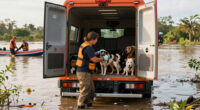
During her interview, Mitchell shared that her team often responds to natural disasters such as hurricanes, wildfires, and floods, where pets are sometimes left behind or become distressed. She pointed out that preparedness can reduce stress for both pets and owners and increase the chances of safe recovery during crises.
Why Pet Disaster Preparedness Matters for Everyone
Pet disaster preparedness is crucial because animals are vulnerable during emergencies and rely on their owners for safety. Proper planning can prevent injuries, reduce stress, and facilitate reunification if pets are separated from their owners. As natural disasters become more frequent due to climate change, understanding how to protect pets is increasingly important for all pet owners.
This information can save lives—both human and animal—by encouraging proactive planning and quick action during crises. It also highlights the need for community awareness and infrastructure that accommodates pets during emergencies, which is essential for comprehensive disaster response efforts.
As an affiliate, we earn on qualifying purchases.
Increasing Disasters and the Need for Pet Preparedness
Natural disasters such as hurricanes, wildfires, floods, and winter storms have been intensifying over recent years, affecting more communities and causing widespread evacuations. The ASPCA and other animal welfare organizations have seen a rise in emergency response cases involving pets, underscoring the importance of preparedness.
Historically, many pets have been left behind during evacuations due to lack of planning or awareness. In response, organizations like the ASPCA have increased outreach efforts to educate pet owners about disaster preparedness. The American Veterinary Medical Association also emphasizes the importance of having a disaster plan that includes pets, but many owners remain unaware or unprepared.
In recent years, some regions have developed pet-friendly evacuation centers, but access remains inconsistent. The ASPCA’s response teams often assist in rescue and recovery efforts, which can be complicated and time-consuming without prior planning. This context underscores the urgent need for pet owners to take proactive steps now.
“Preparedness is the best defense we have. Having a plan, an emergency kit, and practicing evacuation can make all the difference for your pet’s safety.”
— Sarah Mitchell, ASPCA Disaster Response Expert

Henkelion Cat Carriers Dog Carrier Pet Carrier For Small / Medium Cats Dogs Puppies (Up To 15lbs), TSA Airline Approved Small Dog Carrier Soft Sided, Collapsible Waterproof Travel Puppy Carrier – Grey
- Airline Approved Design: Suitable for air travel with dual handles
- Secure and Convenient: Includes adjustable shoulder strap for hands-free carrying
- Durable and Lightweight: Made of sturdy polyester with four-side mesh for visibility
As an affiliate, we earn on qualifying purchases.
As an affiliate, we earn on qualifying purchases.
Unclear Aspects of Pet Disaster Response Readiness
While the ASPCA provides comprehensive guidance, it is not yet clear how many pet owners have adopted these preparedness measures widely. Additionally, the availability of pet-friendly shelters varies significantly by region, and some areas lack sufficient infrastructure to support pets during large-scale emergencies. The effectiveness of current outreach programs in reaching vulnerable or underserved communities remains uncertain, and there is ongoing debate about how best to integrate pet preparedness into broader disaster planning efforts.
As an affiliate, we earn on qualifying purchases.
Next Steps for Enhancing Pet Disaster Preparedness
The ASPCA plans to expand its outreach efforts, including community workshops and online resources, to increase awareness of pet disaster preparedness. They are also advocating for more pet-friendly shelters and improved infrastructure in disaster-prone regions. Pet owners are encouraged to review and update their emergency plans, assemble kits, and identify local resources. Future research may focus on assessing the adoption rate of preparedness measures and developing targeted strategies to reach underserved populations.
waterproof pet medical records storage
As an affiliate, we earn on qualifying purchases.
As an affiliate, we earn on qualifying purchases.
Key Questions
What should be included in a pet emergency kit?
An emergency kit should include food, water, medications, a first aid kit, copies of medical records, a leash and collar, and familiar items like toys or blankets to comfort the pet.
How can I find pet-friendly shelters in my area?
Check local government websites, contact animal welfare organizations like the ASPCA, or use online resources that list pet-friendly evacuation centers and accommodations.
What if I can’t evacuate with my pet?
If evacuation isn’t possible, prepare a safe space at home, keep pets indoors, and have supplies ready to minimize stress and injury during the disaster.
Are there legal requirements for pet evacuation plans?
Some regions have laws requiring pet owners to include animals in emergency plans. Check local regulations and ensure your plan complies with regional guidelines.
How often should I practice evacuation drills with my pet?
At least twice a year, to ensure your pet is comfortable with transportation methods and familiar with emergency procedures.
Source: rss