

To prevent common parasites like fleas, ticks, and intestinal worms, you should maintain good pet hygiene, such as regular baths and grooming, and use veterinarian-approved prevention medications. Keep your environment clean by removing debris, cleaning pet bedding, and promptly disposing of feces. Yard maintenance like mowing and leaf removal reduces parasite hiding spots, while personal hygiene, like washing hands after handling pets, helps prevent transfer. Continue exploring for more effective tips to protect your loved ones.
Key Takeaways
- Regularly use veterinarian-approved preventatives for parasites like fleas, ticks, heartworms, and intestinal worms.
- Maintain cleanliness of pets and their living areas, including bedding, toys, and outdoor spaces.
- Keep yards clean by removing debris, mowing lawns, and disposing of pet waste promptly.
- Practice personal hygiene by washing hands after handling pets or cleaning their environments.
- Conduct routine inspections of pets for parasites and seek timely veterinary advice for treatment options.
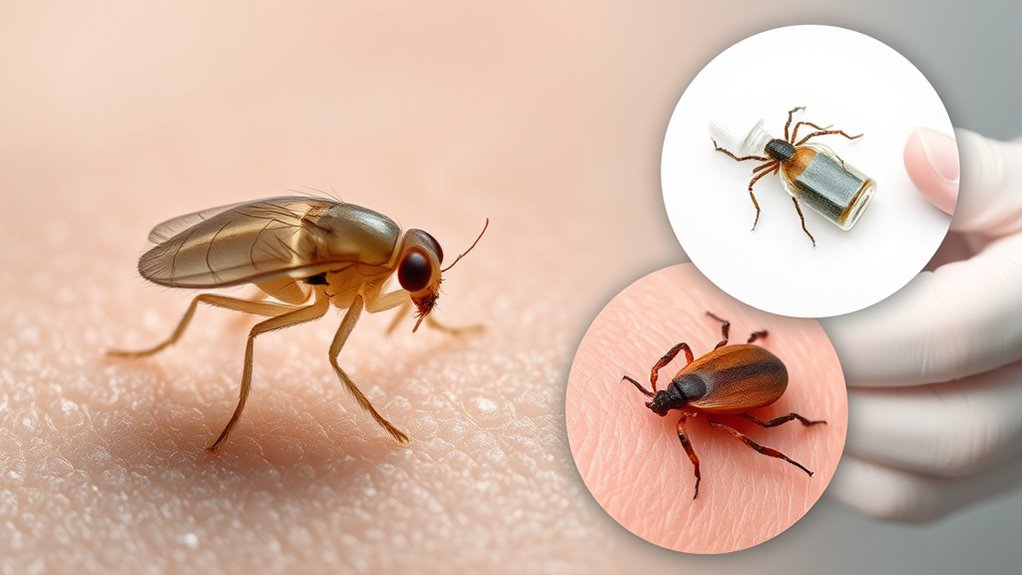
Parasites are tiny organisms that can cause considerable health problems if not properly managed. They can affect both humans and pets, leading to discomfort, illness, and even serious complications if left untreated. To protect your loved ones and maintain a healthy environment, understanding how to prevent parasite infestations is crucial. A key aspect of prevention involves maintaining good pet hygiene and ensuring environmental sanitation. When you keep your pets clean and well-groomed, you reduce the chances of parasites like fleas, ticks, and intestinal worms attaching to them. Regular baths, grooming, and prompt removal of fleas and ticks not only keep your pet comfortable but also cut down the risk of these parasites spreading to other animals or family members. Additionally, cleaning your pet’s bedding, toys, and living areas regularly minimizes parasite habitats, creating an environment less conducive to infestations. Environmental sanitation extends beyond pet care; it involves keeping your home and yard free from debris, standing water, and waste that can harbor parasites or their eggs. For example, cleaning up pet feces immediately prevents the development of eggs and larvae that can infect other animals or humans. Using appropriate disinfectants on surfaces where your pet spends time can also kill dormant parasite eggs, further lowering the risk of spread. Maintaining a clean yard is especially important if you have outdoor pets, as fleas and ticks often thrive in grassy or shaded areas. Regularly mowing the lawn, removing leaf litter, and discouraging rodents or wild animals from frequenting your yard can considerably lower parasite exposure. Furthermore, practicing good hygiene yourself is essential. Washing your hands after handling pets, cleaning their living spaces, or gardening helps prevent transferring parasites from pets to your skin or food sources. When it comes to preventing parasites, consistent routines are key. Incorporate routine checks for ticks or fleas during grooming, and keep up with veterinarian-recommended parasite prevention medications for your pets. These medications, combined with good pet hygiene and environmental sanitation, form a strong barrier against infestations. Additionally, understanding the importance of environmental sanitation and its role in disrupting parasite habitats can significantly enhance your prevention efforts. These combined strategies, including routine inspections and sanitation, create a comprehensive approach to parasite control. Remember, early detection and prevention are your best strategies to keep parasites at bay. By staying vigilant about pet hygiene and environmental sanitation, you’re actively reducing the chances of parasite transmission, protecting both your pets and your family’s health. Taking these small but consistent steps ensures a cleaner, safer environment where parasites struggle to survive and spread.
Frequently Asked Questions
Can Parasites Be Transmitted Through Casual Contact?
Parasite transmission through casual contact is generally unlikely, but it can happen with certain parasites like lice or scabies. When you touch someone infected or share personal items like towels or bedding, you risk transmitting parasites. To stay safe, avoid sharing personal items and maintain good hygiene. While casual contact doesn’t often lead to parasite transmission, being cautious helps prevent potential infections.
Are There Natural Remedies to Prevent Parasite Infections?
Yes, there are natural remedies that can help prevent parasite infections. Think of herbal remedies as a shield, strengthening your body’s defenses, while dietary adjustments act as a gatekeeper, keeping unwanted guests out. Incorporate garlic, pumpkin seeds, and turmeric into your meals, and focus on a balanced diet rich in fiber and probiotics. These natural steps create a harmonious environment, making it harder for parasites to take hold.
How Often Should I Get Tested for Parasites?
You should get tested for parasites at least once a year, especially if you travel frequently, have a weakened immune system, or experience symptoms like digestive issues. Regular parasite screening helps catch infections early and prevents complications. If you notice persistent symptoms, consider more frequent testing. Consult your healthcare provider to determine the right testing frequency for your specific situation, ensuring you stay healthy and parasite-free.
Can Pets Transmit Parasites to Humans?
Yes, pets can transmit parasites to humans, especially if their hygiene isn’t maintained. You should regularly clean your pet’s living area and practice good pet hygiene to reduce the risk. Parasites have a lifecycle that often involves pets, so minimizing contact with contaminated soil or feces is essential. By staying vigilant about hygiene and understanding the parasite lifecycle, you can protect yourself and your family from potential infections.
Do All Parasites Cause Visible Symptoms?
Not all parasites shout for attention; some hide like secrets in the shadows. You might have a hidden infection with symptom variability, meaning you could feel perfectly fine or experience discomfort, and still carry the parasite. Many parasites cause no visible symptoms, making detection tricky. So, just because you don’t see anything wrong doesn’t mean you’re parasite-free. Regular check-ups are essential to uncover those silent invaders lurking within.
Conclusion
By staying vigilant and practicing good hygiene, you can keep parasites at bay, much like a vigilant gardener tends to their plants. Regular handwashing, cooking meat thoroughly, and avoiding contaminated water are your best defenses. Remember, prevention is your shield against these unwelcome guests. Stay informed, be cautious, and take proactive steps to protect yourself—because, just like a strong fortress, a healthy lifestyle keeps parasites out and your well-being intact.