
To save time later, start by gradually introducing the nail grinder to your pet without turning it on, pairing it with treats and praise to build positive associations. Let your pet investigate and get comfortable with it before turning it on at low settings, gradually increasing usage as they remain calm. Consistent, short sessions help reduce fear, making future grooming faster and less stressful. If you keep at it, you’ll eventually turn grooming into a smooth, stress-free routine—more tips are just ahead.

Get pet supplies delivered free — and shop member deals
- Fast, free delivery on millions of items
- Access to Prime Big Deal Days deals on October 6–7
- Prime Video, Amazon Music and more included
Key Takeaways
- Gradually introduce the grinder without turning it on to build initial comfort and reduce fear.
- Use positive reinforcement like treats and praise during each interaction to create positive associations.
- Keep sessions short and consistent to prevent overwhelming the pet and foster trust over time.
- Slowly increase contact time with the grinder, rewarding calm behavior to desensitize the pet effectively.
- Establish a calm environment and patient approach to minimize stress and make future nail trims quicker and easier.
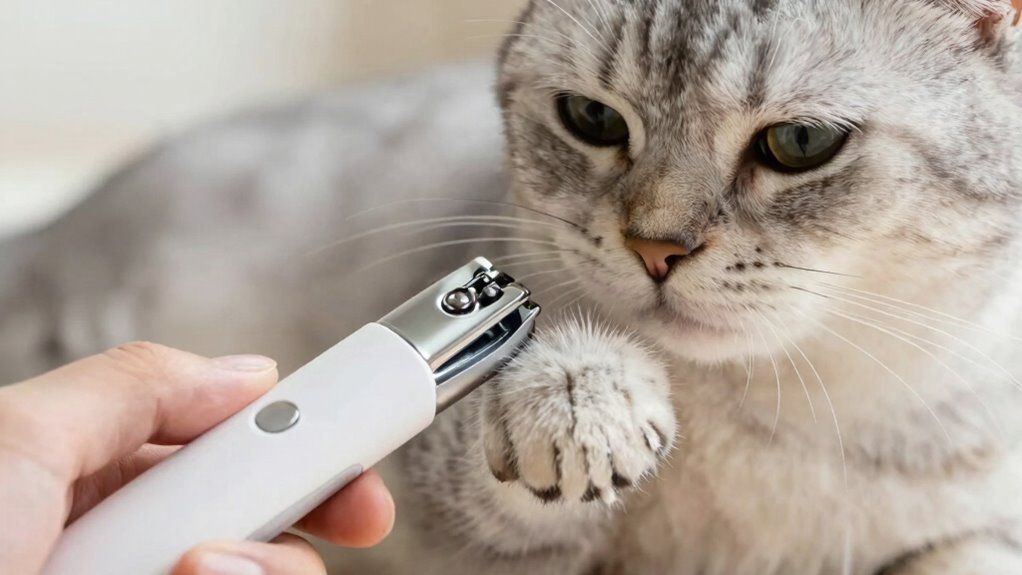
If your pet fears nail trims, the nail grinder desensitization trick can make the process much easier. Many pets find grooming tools intimidating, especially nail grinders, which can cause anxiety and resistance. However, by systematically desensitizing your pet to the grinder, you can improve their nail health and make grooming sessions smoother. The key is to introduce the tool gradually and positively, turning what was once a stressful experience into a calm routine.
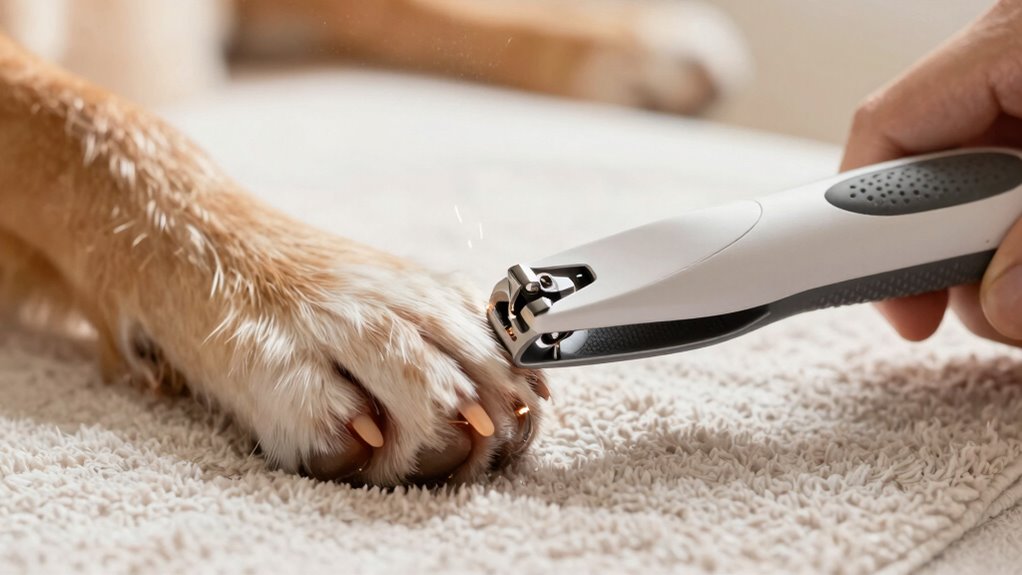
Start by familiarizing your pet with the nail grinder without turning it on. Let them sniff it, investigate it, and get comfortable with its presence. Use treats and praise during this phase to create positive associations. This step helps reduce the fear of the tool itself. Once your pet is comfortable with the grinder, turn it on at a low setting and let them observe it without attempting to use it on their nails. Keep sessions short, rewarding calm behavior to reinforce a sense of safety. Over time, as your pet becomes more relaxed, gently hold their paw and briefly touch the grinder to their nails without applying pressure. This slow introduction minimizes anxiety and helps them associate the grooming tool with positive experiences.
Familiarize your pet with the grinder without turning it on, using treats and praise to build positive associations.
When your pet shows signs of comfort, start using the grinder on their nails for just a second or two, then stop and reward them generously. Repeat this process daily, gradually increasing the duration as they become more at ease. Consistency is crucial; regular, short sessions build trust and lessen fear. Remember, patience is essential—never force the tool or rush the process, as that could reinforce negative feelings. Additionally, understanding indoor air quality can play a role in overall pet health, especially when pets are stressed or anxious, as stress can impact their respiratory health. Moreover, creating a calm environment during grooming can further ease your pet’s anxiety and promote cooperation. Incorporating positive reinforcement techniques can also accelerate the desensitization process and foster a more trusting relationship.
Using this desensitization approach not only benefits your pet’s nail health but also makes grooming tools less intimidating over time. With less fear, your pet will be more cooperative during nail trims, reducing the risk of injury for both of you. Additionally, a calm pet with healthy nails will experience fewer infections and discomforts. Over time, you’ll find that grooming tools become just another part of your routine rather than a source of stress.
In the end, the effort you put into desensitizing your pet pays off by saving time and reducing the struggle during future nail trims. It turns a potentially lengthy, stressful ordeal into a quicker, more efficient task. Your pet’s comfort and well-being will thank you, and you’ll both enjoy a more peaceful grooming experience.
pet nail grinder with low setting
As an affiliate, we earn on qualifying purchases.
As an affiliate, we earn on qualifying purchases.
Frequently Asked Questions
How Long Does the Desensitization Process Typically Take?
The desensitization process usually takes about one to two weeks, depending on your dog’s behavior and comfort level. You should introduce grooming techniques gradually, aiming for short, positive sessions. Consistency is key; if you regularly handle your dog’s paws and use the nail grinder gently, your dog will become more comfortable over time. Patience and positive reinforcement make this process smoother and help prevent stress during future grooming sessions.
Can This Trick Be Used on All Dog Breeds?
Yes, you can use this trick on all dog breeds, but you should consider breed-specific considerations and grooming tools. Some breeds have sensitive paws or thick nails, requiring gentle approaches and suitable tools. For example, small or brachycephalic breeds may need extra patience, while employing the right nail grinder ensures comfort. Adjust your approach based on your dog’s breed to make desensitization effective and stress-free.
What Signs Indicate a Dog Is Ready for Nail Grinding?
You’ll know your dog is ready for nail grinding when they show signs of puppy patience during grooming, like staying calm and relaxed. If they willingly accept grooming gadgets and don’t resist or get overly anxious, it’s a good indicator. Watch for relaxed body language, gentle tail wagging, and calm behavior. These signs mean your dog’s ready to progress, making nail grinding a smoother experience for both of you.
Are There Any Risks or Side Effects?
Did you know that nearly 40% of dogs experience grooming anxiety? When using a nail grinder, risks include nail sensitivity, which can cause discomfort or pain if not careful. Over-grinding may lead to bleeding or infection. To minimize side effects, go slowly, use gentle pressure, and give your dog plenty of praise. Always monitor for signs of distress, and consult your vet if you’re unsure about safe techniques.
How Often Should Desensitization Sessions Be Repeated?
You should repeat desensitization sessions weekly or as needed, depending on your dog’s temperament and comfort level. Regular nail trimming helps your dog stay relaxed during grooming, so consistent practice is key. If your dog remains anxious, extend the time between sessions. Keep sessions short and positive to build confidence. Over time, your dog will become more comfortable with nail trimming, making the process quicker and less stressful for both of you.
dog nail grinder desensitization kit
As an affiliate, we earn on qualifying purchases.
As an affiliate, we earn on qualifying purchases.
Conclusion
By gently introducing your pet to the nail grinder, you’re planting the seeds of trust that bloom into calm, pain-free nail trims. Think of desensitization as crafting a smooth river, guiding your furry friend gently downstream rather than forcing them over jagged rocks. With patience and consistent practice, you’ll steer clear of the stormy waters of stress and discomfort, turning nail trimming into a peaceful sail rather than a turbulent voyage. Your pet’s trust becomes your guiding star.
pet grooming positive reinforcement treats
As an affiliate, we earn on qualifying purchases.
As an affiliate, we earn on qualifying purchases.
pet nail trimming tools for anxious pets
As an affiliate, we earn on qualifying purchases.
As an affiliate, we earn on qualifying purchases.
Fall Picks
fall essentials
As an affiliate, we earn on qualifying purchases.