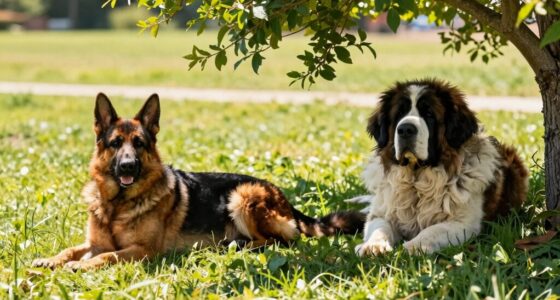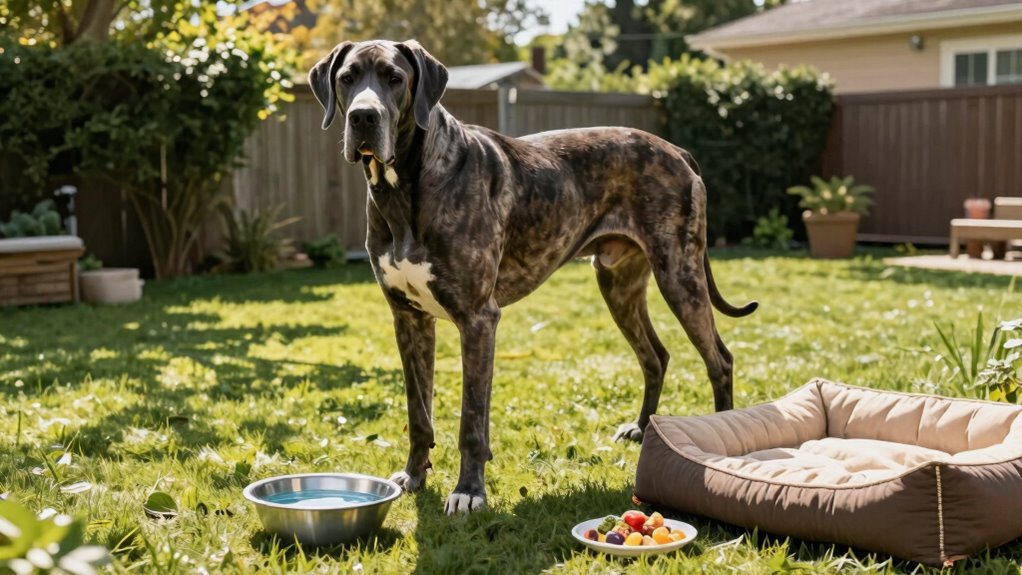

Giant breeds need different daily management because their rapid growth makes them vulnerable to joint, bone, and developmental issues. You should tailor their nutrition, exercise, and environment carefully to prevent injuries and support healthy development. Overexertion or improper feeding can lead to long-term health problems, so close supervision and routine adjustments are essential. By understanding these unique needs, you can help your dog thrive. Keep going to discover how to best care for your giant breed.

Get pet supplies delivered free — and shop member deals
- Fast, free delivery on millions of items
- Access to Prime Big Deal Days deals on October 6–7
- Prime Video, Amazon Music and more included
Key Takeaways
- Giant breeds have rapid growth rates that require tailored nutrition and exercise to prevent developmental issues.
- Their larger size increases injury risk, necessitating careful monitoring and environment management.
- Joint and bone health are more vulnerable, requiring controlled activity and gradual exercise increases.
- Regular growth monitoring helps adjust routines to support healthy development and prevent long-term problems.
- Specialized routines promote overall health and longevity by accommodating their unique size-related needs.
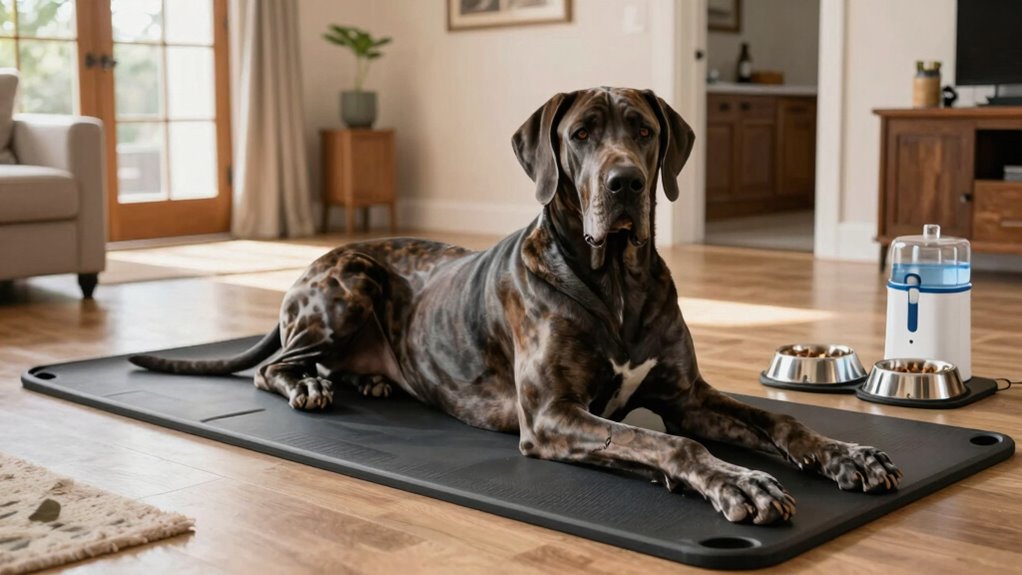
Managing giant breeds requires careful daily attention to guarantee their health and well-being. These dogs are not like smaller breeds; their size demands specific care and consistent routines to prevent health problems and promote longevity. One of the most important aspects of their daily management is nutrition planning. Because of their rapid growth and large frame, they need a balanced diet tailored to their age, weight, and activity level. Overfeeding can lead to obesity, which puts extra strain on their joints and heart, while underfeeding can cause malnutrition and developmental issues. You should work closely with your vet to select high-quality, appropriately portioned meals that supply essential nutrients without excess calories. Avoid free-feeding and stick to scheduled meal times to maintain a healthy weight.
Exercise routines are equally critical for giant breeds. While they require regular activity to stay fit and healthy, their exercise needs differ from smaller dogs. Too much intense activity, especially during their growth phase, can damage their developing joints and bones. You should focus on moderate, controlled exercises like short walks and gentle play sessions, gradually increasing intensity as they mature. Consistent exercise helps prevent obesity, keeps their muscles strong, and supports joint health. However, it’s crucial to monitor their response and avoid high-impact activities that could cause injuries. Because of their size, even minor injuries can become serious, so you need to be vigilant during playtime and daily walks. Paying attention to their growth patterns and adjusting activity levels accordingly can help prevent long-term health issues. Additionally, understanding their size-related needs can improve their overall care and reduce the risk of injury. Properly managing their environment and routine can also help minimize injury risks and ensure their safety during daily activities. Regular monitoring of their developmental milestones can further aid in early detection of potential health concerns. Keeping track of their behavioral changes can also be an important indicator of emerging health problems or discomfort.
large breed dog nutrition supplements
As an affiliate, we earn on qualifying purchases.
As an affiliate, we earn on qualifying purchases.
Frequently Asked Questions
How Often Should Giant Breeds Be Weighed?
You should weigh your giant breed dog weekly to monitor their growth and health. Regularly tracking their weight helps you adjust their feeding schedule and guarantee they’re not gaining too quickly. Incorporate this into your exercise routine, giving attention to their changing needs. Consistent weighing allows you to spot potential health issues early, helping you maintain a balanced diet and appropriate activity level for your large pup.
What Are Common Health Issues in Giant Breeds?
You should be aware that giant breeds often face health issues like hip dysplasia, bloat, and heart problems due to their genetic predispositions. Regular check-ups help catch these early. Dietary considerations are vital; provide balanced, controlled portions to prevent obesity, which worsens health risks. Monitoring their weight and activity levels helps maintain their well-being. Staying proactive with veterinary care guarantees your giant breed stays healthier longer.
Do Giant Breeds Require Special Training Techniques?
Yes, giant breeds require special training techniques. You should focus on training consistency to establish clear boundaries and routines, which helps manage their size and strength. Incorporate effective socialization strategies early to prevent behavioral issues and guarantee they’re comfortable around people and other animals. Gentle, positive reinforcement methods work best, and patience is key. Proper training from the start supports their health, safety, and well-being as they grow.
How Can I Prevent Joint Problems in Large Dogs?
To prevent joint problems in large dogs, you should provide joint supplements recommended by your vet and guarantee proper nutrition tailored for their size. Avoid excessive jumping or high-impact activities, especially during growth phases. Maintain a healthy weight to reduce stress on joints, and incorporate low-impact exercises like swimming. Regular vet check-ups help catch issues early, allowing you to address potential problems before they worsen.
What Type of Bedding Is Best for Giant Breeds?
For giant breeds, choose bedding material that offers ample support and durability, like memory foam or orthopedic mats, to guarantee comfort and joint protection. Consider comfort when selecting bedding, as their size and weight demand extra cushioning. Avoid thin mats or soft materials that can compress easily. Providing a supportive, high-quality bed helps reduce pressure on joints and keeps your large dog comfortable during rest and sleep.
As an affiliate, we earn on qualifying purchases.
Conclusion
Think of caring for a giant breed as tending to a mighty oak tree. Just as a towering oak needs special soil, careful watering, and gentle pruning to thrive, your giant dog requires tailored daily management to flourish. With patience and attention, you’ll nurture this gentle giant into a strong, healthy presence in your life—standing tall and resilient. Your consistent care guarantees they grow safely and happily, just like that magnificent oak reaching toward the sky.
orthopedic dog bed for large dogs
As an affiliate, we earn on qualifying purchases.
As an affiliate, we earn on qualifying purchases.
large breed dog activity monitor
As an affiliate, we earn on qualifying purchases.
As an affiliate, we earn on qualifying purchases.
Fall Picks
fall essentials
As an affiliate, we earn on qualifying purchases.