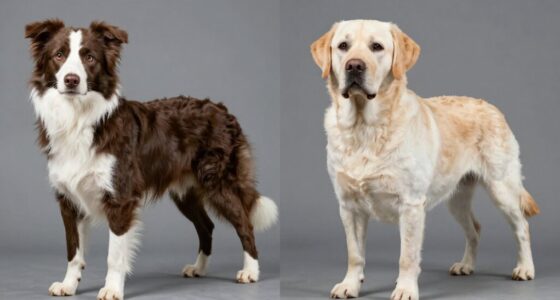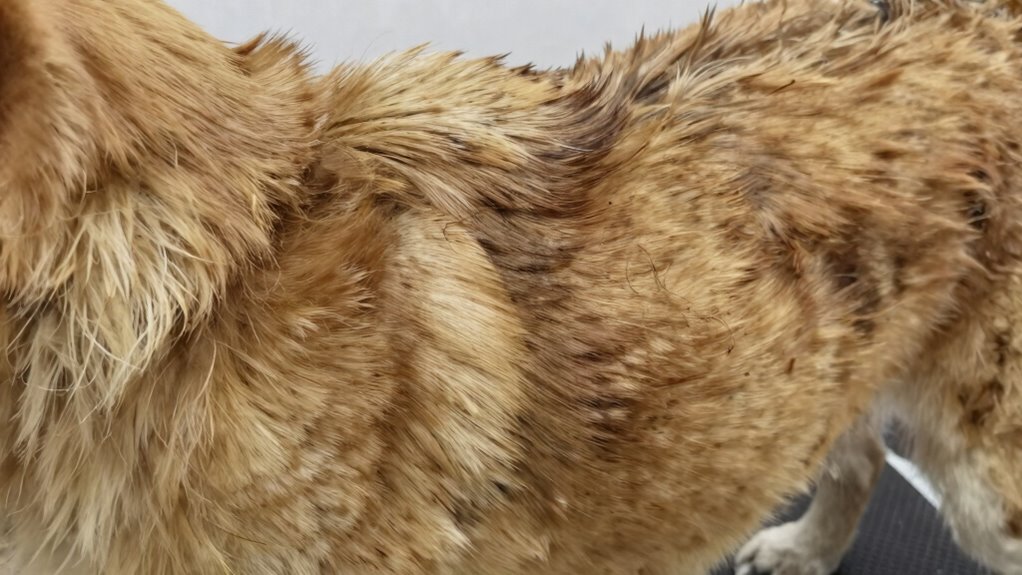

Your dog’s coat type is the key to predicting grooming workload. Short, smooth coats need less frequent brushing and occasional baths, while long or curly coats demand daily grooming to prevent mats and tangles. Medium-length coats require a few grooming sessions weekly, and wiry coats need trimming and professional care. Understanding your dog’s coat helps you plan routines effectively. Keep going, and you’ll discover how different coat types influence maintenance and care for your furry friend.

Get pet supplies delivered free — and shop member deals
- Fast, free delivery on millions of items
- Access to Prime Big Deal Days deals on October 6–7
- Prime Video, Amazon Music and more included
Key Takeaways
- Long-haired or curly coats typically require more frequent grooming to prevent tangles and mats.
- Short, smooth coats generally need less frequent grooming and regular brushing.
- Wiry or curly coats often demand trimming, stripping, and professional grooming sessions.
- Shedding patterns vary with coat type, influencing the grooming workload during seasonal changes.
- Medium-length coats require grooming a few times weekly to maintain coat health and manage shedding.
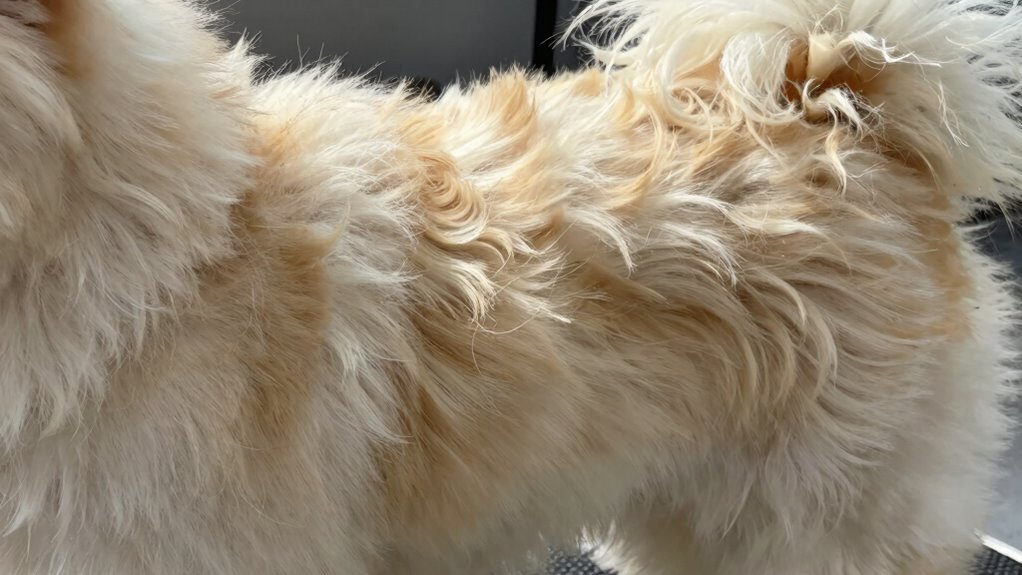
Your dog’s coat type can reveal more than just appearance; it’s a key clue to understanding their breed, health needs, and grooming routines. Recognizing their coat type helps you determine how often you’ll need to groom them and what kind of coat maintenance is necessary. Different coat types demand varying levels of attention, so knowing what to expect can keep your dog comfortable and looking their best.
Knowing your dog’s coat type guides grooming needs and keeps them comfortable and healthy.
For example, dogs with short, smooth coats typically require less grooming frequency. Their coats shed less and are easier to maintain, needing only regular brushing to remove loose hair and occasional baths. These dogs often have minimal grooming routines, making their coat maintenance straightforward. Conversely, long-haired breeds or those with curly, dense coats need more frequent grooming sessions. Their coats are prone to tangling and matting, which can cause discomfort or skin issues if not addressed regularly. Grooming frequency for these breeds might mean daily brushing or multiple sessions a week, depending on the thickness and texture of their coat.
Medium-length coats fall somewhere in between. They may need grooming a few times a week to prevent mats and tangles but usually don’t require daily attention. Regular brushing helps distribute natural oils, keeping the coat healthy and shiny. Conversely, dogs with wiry or curly coats often need specialized grooming routines, including trimming and stripping, to keep their coat in good condition. These breeds may also require professional grooming to maintain their coat’s health and appearance. Being aware of shedding patterns associated with different coat types can help you manage your home environment better. Additionally, understanding the seasonal shedding**** tendencies of your dog’s coat type can help you better prepare for times of increased shedding.
Understanding your dog’s coat type also guides you in selecting the right grooming tools and products. For example, slicker brushes work well on curly or long-haired coats, while rubber brushes are suitable for short coats. Proper coat maintenance not only keeps your dog looking good but also helps prevent skin infections, hair mats, and discomfort. Additionally, regular grooming can serve as a bonding activity, making the process more enjoyable for both you and your pet. Recognizing the grooming workload associated with different coat types can help you plan routines accordingly. Being aware of shedding patterns also allows you to better manage your home environment and reduce the amount of fur around your living space.
Knowing the grooming workload associated with your dog’s coat type allows you to plan routines accordingly, ensuring you’re not caught off guard with unexpected matting or shedding. It also helps you decide if professional grooming is necessary or if you can handle most tasks at home. Regular grooming isn’t just about aesthetics; it’s essential for your dog’s health and well-being. By paying attention to their coat type, you can tailor your grooming schedule to suit their needs, making it a manageable part of your routine instead of a chore. Ultimately, understanding your dog’s coat type empowers you to provide better care, ensuring your furry friend stays comfortable, healthy, and happy.
dog slicker brush for curly coats
As an affiliate, we earn on qualifying purchases.
As an affiliate, we earn on qualifying purchases.
Frequently Asked Questions
How Accurate Is Coat Type in Predicting Grooming Workload?
Coat type is fairly accurate in predicting grooming workload, especially when considering breed diversity and coat length. Longer, thicker coats from breeds like Poodles or Collies typically require more frequent grooming. Shorter coats from breeds like Beagles or Boxers need less maintenance. However, individual coat conditions and lifestyle factors also influence grooming needs, so while coat type provides a good guideline, it’s not the sole predictor of workload.
Can Coat Type Change Over a Dog’s Lifetime?
Yes, coat type can change over a dog’s lifetime. About 30% of dogs experience coat color variations and shedding pattern changes as they age. For example, a dog with a smooth coat might develop a thicker coat over time, or shedding patterns may become more prominent. These changes occur due to genetics, hormonal shifts, or health factors, meaning your dog’s grooming needs could evolve as they grow older.
Which Coat Types Require the Most Frequent Grooming?
You’ll find that dogs with long, curly, or double coats need the most frequent grooming. Their coat length and texture, especially if they have dense or woolly fur, make matting and tangles more likely. Regular brushing helps manage their coat color and length, preventing mats and reducing shedding. These breeds require consistent grooming sessions to keep their coat healthy, comfortable, and looking their best.
Are Certain Coat Types More Prone to Matting?
Did you know that long, silky coats are 60% more prone to matting? Certain coat types, like curly or fine-haired breeds, are more likely to develop mats if not groomed regularly. Your dog’s coat type, breed variations, and grooming frequency directly influence matting risk. Regular brushing and tailored grooming routines help prevent mats, especially for high-risk coat types, ensuring your dog stays comfortable and healthy.
How Does Coat Type Influence Grooming Tools Needed?
Your coat type directly influences the grooming tools you need and how often you should groom your pet. For example, a long, thick coat requires more specialized grooming tools like slicker brushes and frequent grooming sessions to prevent matting. Conversely, a short coat needs less frequent grooming and simpler tools. Proper coat maintenance depends on understanding your pet’s coat type, so choose the right grooming tools and stick to a consistent grooming frequency to keep their coat healthy.
dog grooming scissors for wiry coats
As an affiliate, we earn on qualifying purchases.
As an affiliate, we earn on qualifying purchases.
Conclusion
Now that you understand how a dog’s coat type can hint at grooming needs, you’re like a detective with a keen eye for details. Think of their coat as a book revealing their grooming story—some pages need a gentle touch, others demand a thorough read. By paying attention to these clues, you’ll keep your furry friend comfortable and looking sharp, turning grooming from a chore into a bonding adventure. Your dog’s coat is their personal grooming crystal ball!
dog grooming kit for long-haired breeds
As an affiliate, we earn on qualifying purchases.
As an affiliate, we earn on qualifying purchases.
professional dog grooming clippers
As an affiliate, we earn on qualifying purchases.
As an affiliate, we earn on qualifying purchases.
Fall Picks
fall essentials
As an affiliate, we earn on qualifying purchases.