Automatic pet feeders solve a simple problem: keeping your pet fed on schedule even when you’re asleep, at work, or away for a weekend. After comparing 14 popular models, the PETLIBRO Wi-Fi Automatic Pet Feeder, 5L stands out as my best overall pick for its app control, reliable dispensing, and balanced capacity. Budget shoppers get dependable timed feeding from the VOLUAS 4L dispenser, while multi-cat households should look at the DownyPaws feeder for two cats with split bowls. The main tradeoffs in this category are between smart features and simplicity, capacity and counter space, and price versus build quality. Keep reading for the full breakdown of all 14 feeders and which one fits your household.

Get pet supplies delivered free — and shop member deals
- Fast, free delivery on millions of items
- Access to Prime Big Deal Days deals on October 6–7
- Prime Video, Amazon Music and more included
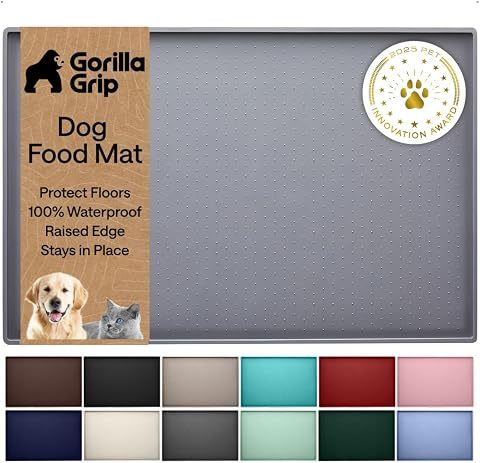
Complete the kit


Key Takeaways
- The PETLIBRO Wi-Fi 5L model earned the top spot because app control plus dependable portion accuracy beats camera gimmicks at a similar price point.
- Camera-equipped feeders like the FEELNEEDY 360° and PEYAKO dual-hopper models are best for travel-heavy owners, but they cost more and add setup complexity that casual users won’t use.
- Feeders for two cats (DownyPaws, oneisall, DUMOS) split portions unevenly in some designs — buyers should check whether the split is mechanical or truly independent.
- Microchip feeders like the PawsPik RFID model are the only real answer to food-stealing pets, but they only make sense if you have a genuine diet-control problem.
- Across the lineup, battery backup and a secure lid were the two features that separated reliable feeders from ones that fail during power cuts or get raided by clever cats.
| PawsPik Automatic Microchip RFID Cat Feeder, 16-Cup, White |  | Best for Multi-Pet Food Theft | Capacity: 16 cups | Access control: ISO 15-digit microchips or included RFID tag | Feeding modes: Closed Mode and Open Mode | VIEW LATEST PRICE | See Our Full Breakdown |
| VOLUAS Automatic Cat Feeder, 4L Timed Dry Food Dispenser |  | Best Budget Pick | Capacity: 4L (16.9 cups) | Meals per day: 1–4 | Portion choices: 0–40, approx. 6–7 g each | VIEW LATEST PRICE | See Our Full Breakdown |
| ANDOLL HOME Automatic Cat Feeder, 4L, with Voice Recorder |  | Best for Frequent Small Meals | Capacity: 4 L | Maximum meals per day: 8 | Voice recorder: 10 seconds, plays 3 times per feeding | VIEW LATEST PRICE | See Our Full Breakdown |
| DownyPaws Automatic Cat Feeder for Two Cats |  | Best for Two-Cat Households | Capacity: 4.5 L (19 cups) | Bowls: 2 removable stainless steel bowls | Power: Rechargeable lithium battery or wired | VIEW LATEST PRICE | See Our Full Breakdown |
| FEELNEEDY Automatic Cat Feeder with 360° Camera |  | Best Premium Smart Pick | Capacity: 5.5 liters | Camera: 2K HD, 360° pan, 120° tilt | Camera features: Night vision, AI pet tracking | VIEW LATEST PRICE | See Our Full Breakdown |
| Heartgon Automatic Cat Feeder with Stainless Steel Bowl |  | Best for Frequent Small Meals | Brand: Heartgon | Model: APF02 | Capacity: 5 liters | VIEW LATEST PRICE | See Our Full Breakdown |
| oneisall Automatic Cat Feeder for Two Cats |  | Best for Two-Cat Homes | Brand: oneisall | Model: PFD-002 | Capacity: 5 L (20 cups) | VIEW LATEST PRICE | See Our Full Breakdown |
| Automatic Cat Feeder and Water Dispenser Set, 3.3L |  | Best No-Tech Backup Pair | Material: BPA-free PP and PET | Feeder capacity: 3.3 L | Water dispenser capacity: 3.3 L | VIEW LATEST PRICE | See Our Full Breakdown |
| MUBBI Automatic Pet Feeder with Elevated Stand, 7L Capacity |  | Best Big-Bowl Comfort Pick | Capacity: 7L (29 cups) | Feeding schedule: Up to 6 meals per day | Portions: 16 settings; 1/16 cup (approx. 6–7 g) each | VIEW LATEST PRICE | See Our Full Breakdown |
| PETLIBRO 3L Automatic Pet Feeder with Programmable Meals |  | Best Reliability on a Budget | Brand: PETLIBRO | Model: PLAF005 | Capacity: 3 L | VIEW LATEST PRICE | See Our Full Breakdown |
| Yuposl Automatic Cat Feeder, 3L Timed Dry Food Dispenser with Stainless Steel Bowl |  | Best Budget Pick | Capacity: 3L (12 cups) | Meal schedule: 1–6 meals per day | Kibble size: 2–15 mm | VIEW LATEST PRICE | See Our Full Breakdown |
| PEYAKO Automatic Pet Feeder with Camera, Dual Hoppers, 8L Capacity, 1080p Video, Two-Way Audio and App Control |  | Best Premium Pick | Capacity: 8 liters across dual hoppers | Camera: 1080p HD, 130° wide-angle, night vision | Audio: Two-way audio and 8-second voice recording | VIEW LATEST PRICE | See Our Full Breakdown |
| DUMOS 6L Automatic Cat Feeder for Two Cats, Black |  | Best for Multi-Cat Households | Capacity: 6L | Meals per day: 1 to 6 | Kibble size: 2 to 15 mm | VIEW LATEST PRICE | See Our Full Breakdown |
| PETLIBRO Wi-Fi Automatic Pet Feeder, 5L |  | Best Smart Pick | Capacity: 5L | Meals per day: Up to 10 | Portions: 1–48 portions per meal (1/12 cup each) | VIEW LATEST PRICE | See Our Full Breakdown |
| automatic pet feeder | Capacity | Power |
|---|---|---|
| PawsPik Automatic Microchip RF | 16 cups | — |
| VOLUAS Automatic Cat Feeder | 4L (16.9 cups) | 5V USB adapter or 3 D-cell batteries (not included) |
| ANDOLL HOME Automatic Cat Feed | 4 L | 5V DC adapter or 3 AA batteries (not included) |
| DownyPaws Automatic Cat Feeder | 4.5 L (19 cups) | Rechargeable lithium battery or wired |
| FEELNEEDY Automatic Cat Feeder | 5.5 liters | — |
| Heartgon Automatic Cat Feeder | 5 liters | Dual power supply |
| oneisall Automatic Cat Feeder | 5 L (20 cups) | — |
| Automatic Cat Feeder and Water | — | — |
| MUBBI Automatic Pet Feeder wit | 7L (29 cups) | Type-C cable or 4 AA batteries |
| PETLIBRO 3L Automatic Pet Feed | 3 L | USB-C and 3 D-cell batteries (30–50 days backup) |
| Yuposl Automatic Cat Feeder | 3L (12 cups) | — |
| PEYAKO Automatic Pet Feeder wi | 8 liters across dual hoppers | Dual power supply |
| DUMOS 6L Automatic Cat Feeder | 6L | 5V adapter with 3 D-type battery backup (not included) |
| PETLIBRO Wi-Fi Automatic Pet F | 5L | — |
More Details on Our Top Picks
PawsPik Automatic Microchip RFID Cat Feeder, 16-Cup, White
If one pet routinely steals another’s prescription diet or a slimming cat is raiding the chonky one’s bowl, this feeder solves a problem that simple timed dispensers like the VOLUAS or ANDOLL HOME cannot touch. It reads an ISO-compliant microchip (or the included RFID tag) and opens only for the authorized pet, so portion control happens at the bowl, not just at the hopper. The app handles up to 10 meals per day, and the 16-cup capacity with battery backup suits multi-day absences. The tradeoff is structural: each feeder pairs with a single pet, so a two-cat household needs two units, which roughly doubles the investment compared to the DownyPaws dual-bowl feeder. It also won’t work with non-ISO microchips, so verify your vet’s chip standard first.
Pros:- Microchip/RFID access control physically blocks food theft
- App scheduling with up to 10 meals per day and feeding monitoring
- Large 16-cup capacity with power-outage backup
- 2-year warranty, longer than most feeders in this roundup
Cons:- Each feeder pairs with only one pet’s chip or tag
- Only supports ISO-compliant 15-digit microchips
Best for: Owners of a pet on a special diet, or households where a dominant cat bullies others away from food
Not ideal for: Budget-conscious multi-pet owners — one unit per pet means costs stack up fast
- Capacity:16 cups
- Access control:ISO 15-digit microchips or included RFID tag
- Feeding modes:Closed Mode and Open Mode
- Meal scheduling:Up to 10 meals per day via app
- Power backup:Backup battery
- Compatible pets:Cats and extra-small/small dogs
- Warranty:2 years
Our verdict“Worth the premium only if food stealing or diet separation is a real problem in your home.”
VOLUAS Automatic Cat Feeder, 4L Timed Dry Food Dispenser
For buyers who just want reliable scheduled feeding without paying for cameras or microchip readers, this model covers the basics well. You get 1–4 meals per day with up to 40 portion settings, a roomy 4L hopper, and a 10-second voice recording to call your cat at mealtime. Compared with the ANDOLL HOME, it offers fewer meals per day (4 versus 8) but adds flexibility in power — the dual USB/battery setup keeps meals flowing during outages. The LCD makes programming straightforward without an app, which is a plus if you dislike Wi-Fi-dependent gear. Compared to the PawsPik, there’s no access control at all, so any pet in the house can eat what drops. Note the D-cell batteries aren’t included, and it’s dry food only.
Pros:- Straightforward LCD programming with no app or Wi-Fi required
- USB or D-cell battery power keeps feeding on schedule through outages
- 10-second voice recording helps pets recognize mealtime
- Removable, washable parts speed up cleaning
Cons:- D-cell batteries not included
- Capped at 4 meals per day
- Dry food only
Best for: First-time automatic feeder buyers and single-cat households wanting simple, app-free scheduling
Not ideal for: Multi-pet homes with food competition — there’s nothing stopping a second pet from eating everything
- Capacity:4L (16.9 cups)
- Meals per day:1–4
- Portion choices:0–40, approx. 6–7 g each
- Voice recording:Up to 10 seconds
- Power:5V USB adapter or 3 D-cell batteries (not included)
- Target animals:Cats, rabbits, small dogs
- Warranty:1 year
Our verdict“A sensible low-cost entry point that trades smart features for dependable, uncomplicated scheduling.”
ANDOLL HOME Automatic Cat Feeder, 4L, with Voice Recorder
Where the VOLUAS tops out at 4 meals a day, this feeder doubles the ceiling to 8 daily meals, which matters for cats prone to vomiting on large portions or those on vet-recommended grazing schedules. The 10-second recording plays three times at each feeding — a nice touch for anxious cats who need the familiar cue — and the sealed lid plus desiccant compartment does a better job keeping kibble fresh in humid climates than the open hoppers on the VOLUAS or DownyPaws. The 8-degree bowl tilt is a thoughtful ergonomic detail for older cats. Tradeoffs: it needs 3 AA batteries for backup (not included), portions top out lower than the VOLUAS’s 40 settings, and like every budget model here, it’s dry food only with no access control for food-thief households.
Pros:- Up to 8 meals per day supports grazing and small frequent portions
- Sealed lid and desiccant compartment keep kibble fresher longer
- Voice recording plays three times to draw pets to the bowl
- AA battery backup preserves the schedule during outages
Cons:- AA backup batteries not included
- Dry food only
- No app control or monitoring features
Best for: Owners of cats with sensitive stomachs or grazing schedules who need more feeding slots per day
Not ideal for: Humid-climate owners unwilling to stay on top of desiccant replacement, or anyone wanting camera monitoring
- Capacity:4 L
- Maximum meals per day:8
- Voice recorder:10 seconds, plays 3 times per feeding
- Power:5V DC adapter or 3 AA batteries (not included)
- Bowl tilt:8 degrees
- Food type:Dry food
Our verdict“The right pick when feeding frequency — not smart features — is your priority.”
DownyPaws Automatic Cat Feeder for Two Cats
Two cats, one feeder, no refereeing — that’s the pitch here, and it mostly delivers. Unlike the oneisall two-cat feeder it competes with, this model pairs opposite-facing stainless steel bowls with a dividing system designed to split each meal evenly, giving each cat its own eating space and reducing bowl-guarding. The rechargeable battery runs 90+ days cordless, a real advantage over the VOLUAS and ANDOLL HOME, which eat through disposable D-cell or AA batteries. The 4.5L tank accepts kibble up to 18mm, including some freeze-dried pieces — more flexible than most dry-only models in this lineup. Two caveats: the main unit can’t be rinsed or immersed, so cleaning is wipe-and-disassemble only, and portion accuracy varies with kibble shape. The PawsPik remains better for cats needing strict diet separation.
Pros:- Two facing stainless steel bowls give each cat separate eating space
- 90+ days of cordless use on a rechargeable battery
- Accepts larger kibble and suitable freeze-dried pieces up to 18 mm
- Settings memory survives power loss
Cons:- Main unit cannot be rinsed or submerged
- Portion sizes are approximate and vary by food shape
Best for: Two-cat households where both pets eat the same food and squabble over a shared bowl
Not ideal for: Cats on different diets or with strict portion prescriptions — the split is even, not customized
- Capacity:4.5 L (19 cups)
- Bowls:2 removable stainless steel bowls
- Power:Rechargeable lithium battery or wired
- Battery life:90+ days cordless
- Meal schedule:1–6 meals per day, 0–12 portions (approx. 8.5 g each)
- Food compatibility:Dry food 2–18 mm, including suitable freeze-dried
- Meal call:30-second personalized voice recording
Our verdict“The most practical single purchase for peaceful two-cat feeding, as long as both cats eat the same thing.”
FEELNEEDY Automatic Cat Feeder with 360° Camera
This is the option for owners who want to watch and interact with their pet, not just feed them. The 2K camera pans a full 360° with 120° tilt, night vision, and AI pet tracking — a clear step up from the fixed 1080p camera on the PEYAKO dual-hopper feeder — plus two-way audio so you can talk to your cat between trips. The 5.5L hopper is among the largest here, and low-food and inactivity alerts add genuine peace of mind for travelers. The cost of all this intelligence: a heftier footprint at nearly 20 inches tall, backup batteries you must supply yourself, and cloud services behind a subscription, which adds recurring cost the VOLUAS or DownyPaws never will. If you don’t need remote monitoring, that money is better spent elsewhere.
Pros:- 2K camera with 360° pan, night vision, and AI pet tracking
- Remote app scheduling plus manual feed triggering
- 5.5L capacity with low-food and inactivity alerts
- Anti-jam system and battery backup for reliability
Cons:- Some cloud services require a paid subscription
- Backup batteries not included
- Large footprint at nearly 20 inches tall
Best for: Frequent travelers and anxious owners who want live video, two-way audio, and feeding alerts from anywhere
Not ideal for: Minimalists — the subscription-dependent cloud features and large footprint outweigh the camera if you’ll never use it
- Capacity:5.5 liters
- Camera:2K HD, 360° pan, 120° tilt
- Camera features:Night vision, AI pet tracking
- Connectivity:2.4 GHz and 5 GHz Wi-Fi
- Audio:Two-way audio
- Dimensions:10.83 × 11.73 × 19.41 in
- Power backup:Battery backup (batteries not included)
Our verdict“Buy it for the camera and monitoring; skip it if scheduled feeding alone is all you need.”
Heartgon Automatic Cat Feeder with Stainless Steel Bowl
Most feeders in this roundup top out at six meals, but the Heartgon APF02 treats that ceiling as its core strength, making it a strong pick for cats on weight-management plans or those prone to vomiting when fed twice daily. The 20-setting portion control is finer-grained than the MUBBI’s 16 settings, which matters when you’re dialing in exact gram amounts. I like that it pairs a hygienic stainless steel bowl with app control and dual power — a combination usually reserved for pricier models like the PETLIBRO Wi-Fi 5L. The tradeoff is the modest 5-liter capacity and compact footprint, which suits one cat but not a multi-cat household; the oneisall two-bowl feeder handles that scenario better.
Pros:- Six-meal scheduling supports grazing-style or weight-loss feeding plans
- Fine 20-level portion control for precise meal sizing
- Stainless steel bowl is more hygienic than plastic alternatives
- App control plus dual power supply for flexibility and backup
Cons:- 5L capacity is small for multi-pet homes
- Compact build limits suitability for larger dogs despite the listing
Best for: Single-cat owners managing weight or digestive issues through small, frequent meals
Not ideal for: Multi-cat households — one bowl and a 5L hopper invite food aggression and constant refills
- Brand:Heartgon
- Model:APF02
- Capacity:5 liters
- Meal schedule:Up to 6 meals per day
- Portion capacity:20 portions
- Bowl:Stainless steel
- Power:Dual power supply
- Operation:Automatic with app control
- Dimensions:7 × 7 × 10 in
Our verdict“A smart choice for one cat that needs precise, frequent portioning rather than bulk storage.”
oneisall Automatic Cat Feeder for Two Cats
Feeding two cats fairly is a problem most feeders ignore, and the 16-inch bowl spacing on the oneisall PFD-002 solves it elegantly — enough distance to reduce food guarding between cats eating simultaneously. Compared with the DownyPaws two-cat feeder, this model adds practical extras: a freshness-sealing lid, anti-chew cord, and dishwasher-safe stainless steel bowls. Portioning works per bowl at roughly 10 g per unit, so each cat gets an equal, measurable meal rather than a shared free-for-all. The 20-cup total capacity comfortably covers a weekend away. The main limitations are strict: dry food only, with kibble under half an inch, and cats on prescription large-bite diets will find the dispenser jams or skips.
Pros:- Two bowls spaced 16 inches apart let cats eat simultaneously without conflict
- Dishwasher-safe stainless steel bowls simplify daily cleanup
- Freshness sealing and included desiccant keep 20 cups of kibble viable
- Anti-chew cord protects against cable damage from curious pets
Cons:- Dry food only
- Kibble must be smaller than 0.5 inch, ruling out many dental diets
Best for: Two-cat households where mealtime rivalry or portion fairness is a daily problem
Not ideal for: Owners feeding large-kibble or mixed wet-and-dry diets — the dispenser can’t handle either
- Brand:oneisall
- Model:PFD-002
- Capacity:5 L (20 cups)
- Meals per day:Up to 6
- Portion size:Approximately 10 g (1/12 cup) per portion per bowl
- Bowl spacing:16 inches
- Voice recorder:10 seconds
- Warranty:2 years
Our verdict“The fairest way to automate feeding for two cats, as long as their kibble is small.”
Automatic Cat Feeder and Water Dispenser Set, 3.3L
Everything else in this roundup depends on motors, apps, or batteries; this gravity-fed feeder-and-water combo needs nothing but a refill. That simplicity is its entire value proposition — no power outages, no jammed rotors, no firmware quirks. Where the PETLIBRO 3L gives you programmable precision, this set gives you redundant reliability for travel, kennels, or a cabin, plus the water dispenser most electronic feeders omit entirely. The siphon design genuinely reduces the puddle problem common to cheap gravity waterers, and BPA-free materials with full disassembly make cleaning straightforward. The honest tradeoff: gravity feeding means zero portion control. A cat who overeats will overeat, so this is a supplement or backup, not a diet-management tool.
Pros:- Requires no electricity, batteries, or setup whatsoever
- Combined food and water solution in one matched set
- Siphon design prevents overflow spills around the water bowl
- Fully disassembles for cleaning and is BPA-free
Cons:- No scheduling or portion control — food is always available
- 3.3 L capacity needs frequent refilling in multi-pet homes
Best for: Owners wanting a low-cost, electricity-free backup feeder and waterer for travel or short trips
Not ideal for: Cats on restricted diets — gravity feeding offers no portion or schedule control whatsoever
- Material:BPA-free PP and PET
- Feeder capacity:3.3 L
- Water dispenser capacity:3.3 L
- Power source:Gravity-fed; no electricity required
- Color:Black
- Suitable for:Cats, kittens, puppies, and small to medium dogs
Our verdict“The right pick when simplicity and reliability matter more than programming.”
MUBBI Automatic Pet Feeder with Elevated Stand, 7L Capacity
Two things set the MUBBI apart in a crowded field: a 7L (29-cup) hopper that outlasts the 4–5L standard set by the VOLUAS and ANDOLL HOME feeders, and height-adjustable legs that raise the bowl to a comfortable eating position — a genuine kindness for senior cats or small dogs with neck strain. The anti-clog rotor with reverse rotation addresses the most common failure point in budget feeders, and safety latches on the lid, hopper, and control panel foil determined paws in a way most rivals don’t attempt. Cleanup is honest too, with a removable dishwasher-safe bowl. Tradeoffs exist: desiccant packets need monthly replacement, portions run a slightly coarse 1/16 cup minimum, and it accepts only dry pellets between 2 and 15 mm.
Pros:- 7L (29-cup) capacity offers one of the longest refill intervals in the category
- Adjustable-height legs reduce neck strain for older or small pets
- Anti-clog rotor with reverse rotation reduces the most common dispensing failure
- Safety latches on lid, hopper, and control panel resist clever paws
Cons:- Desiccant packets require monthly replacement for freshness
- Only compatible with dry pellets between 2 and 15 mm
Best for: Senior pets or small dogs who benefit from elevated feeding, plus owners wanting long refill intervals
Not ideal for: Multi-cat homes needing separate bowls, or anyone unwilling to keep replacing desiccant packets
- Capacity:7L (29 cups)
- Feeding schedule:Up to 6 meals per day
- Portions:16 settings; 1/16 cup (approx. 6–7 g) each
- Food compatibility:Dry pellets 2–15 mm diameter
- Power:Type-C cable or 4 AA batteries
- Bowl:Removable dishwasher-safe stainless steel
- Stand:Four removable height-adjustable legs
Our verdict“The most comfortable feeder here for aging pets, trading a little maintenance for capacity and ergonomics.”
PETLIBRO 3L Automatic Pet Feeder with Programmable Meals
Feeder failures almost always come down to jamming or power loss, and the PETLIBRO PLAF005 tackles both: infrared anti-jam detection plus a D-cell battery backup lasting 30–50 days. That redundancy outclasses similarly sized units like the Yuposl 3L, which lacks comparable jam detection. The 1–50 portion range at 2.5 teaspoons per portion is the most flexible in this batch, fine enough for a kitten’s snack or a full meal, and sealed storage with desiccant keeps the modest 3L hopper fresh. A 24-month warranty rounds out a package that feels engineered rather than assembled. Be aware the base can’t be washed, so spills require careful wipe-downs, and like nearly everything here it’s dry kibble only.
Pros:- Infrared anti-jam detection catches dispensing failures before a missed meal
- Battery backup delivers 30–50 days of feeding without wall power
- 1–50 portion range offers the finest meal-size flexibility in the batch
- Sealed storage and desiccant preserve kibble freshness
Cons:- Feeder base cannot be washed, complicating spill cleanup
- 3L capacity means more frequent refills than larger-hopper rivals
Best for: Owners who prioritize dependable, jam-free operation and fine portion control over capacity
Not ideal for: Households wanting long unattended stretches — 3L needs refilling more often than the MUBBI or oneisall
- Brand:PETLIBRO
- Model:PLAF005
- Capacity:3 L
- Meal schedule:Up to 6 meals per day
- Portion control:1–50 portions per meal; 2.5 teaspoons per portion
- Power:USB-C and 3 D-cell batteries (30–50 days backup)
- Voice message:Up to 10 seconds
- Food compatibility:Dry kibble, 2–15 mm diameter
- Warranty:24 months
Our verdict“The most dependable small feeder for one cat or small dog when missed meals aren’t an option.”
Yuposl Automatic Cat Feeder, 3L Timed Dry Food Dispenser with Stainless Steel Bowl
Simplicity is the whole point here. The Yuposl dispenser skips Wi-Fi, cameras, and app extras, and in exchange it costs less than app-driven rivals like the PETLIBRO Wi-Fi feeder while still handling the fundamentals: up to six scheduled meals with adjustable portions and a sealed lid that slows staleness. Compared with the VOLUAS 4L model, the Yuposl’s dishwasher-safe stainless steel bowl and fully removable washable parts make cleanup meaningfully easier, which matters if you feed wet-leaning cats who leave residue. The tradeoff is control: there’s no remote feeding from work, no feeding logs, and no jam alerts — everything must be programmed on the unit itself. Battery-only operation is possible (with a claimed 180+ days on D cells), but the batteries arrive separately, so budget for them or keep the wall adapter plugged in.
Pros:- Schedules up to six meals per day with adjustable portions
- Battery and wall power options for outage resilience
- Dishwasher-safe stainless steel bowl with removable washable parts
- Handles a wide range of kibble sizes from 2–15 mm
Cons:- No Wi-Fi or smartphone control, so all scheduling happens on the device
- Batteries not included, and battery life varies with usage
- 3L capacity requires more frequent refills than the DUMOS or PEYAKO models
Best for: Budget-conscious owners of one cat or small dog who want reliable scheduled feeding without paying for smart features
Not ideal for: Anyone who wants to feed remotely, track meals in an app, or check in on their pet from a phone
- Capacity:3L (12 cups)
- Meal schedule:1–6 meals per day
- Kibble size:2–15 mm
- Power options:3 D-size batteries or wall power
- Battery life:Stated over 180 days
- Bowl:Dishwasher-safe stainless steel
- Food type:Dry food
- Target animals:Cats, small dogs, and small animals
Our verdict“A dependable, low-frills feeder for single-pet households that value easy cleaning over smart features.”
PEYAKO Automatic Pet Feeder with Camera, Dual Hoppers, 8L Capacity, 1080p Video, Two-Way Audio and App Control
This is the option for owners who want a full monitoring station, not just a dispenser. The PEYAKO’s standout feature is its dual-hopper design: 8 liters split across two compartments, so you can store two different kibbles — handy when a kitten and a senior cat eat different formulas. That flexibility is something single-hopper models like the DUMOS two-cat feeder can’t match, since DUMOS splits one food between two bowls rather than two foods between pets. The 1080p camera with night vision and two-way audio approaches the FEELNEEDY 360° camera feeder’s surveillance capability while adding app-based portion control. The catch is dependency: without Wi-Fi, the app features — the main way to manage feeding — are unavailable, and it’s dry-food only like nearly everything in this category. If your router is unreliable, the simpler Yuposl makes more sense.
Pros:- Two separate hoppers for storing different dry foods
- 1080p wide-angle camera with infrared night vision
- Two-way audio plus an 8-second custom voice recording
- Detachable washable parts for easier cleaning
Cons:- App control requires a stable Wi-Fi connection
- Dry food only, so no wet-food scheduling
- More moving parts and features than many owners actually need
Best for: Multi-pet households feeding different dry foods who also want to watch and talk to their pets remotely
Not ideal for: Households with unreliable Wi-Fi or those who only need basic timed feeding — the camera and dual hoppers add complexity and cost
- Capacity:8 liters across dual hoppers
- Camera:1080p HD, 130° wide-angle, night vision
- Audio:Two-way audio and 8-second voice recording
- Connectivity:Dual-band Wi-Fi
- Feeding:App-controlled scheduled and portioned dispensing
- Power:Dual power supply
- Dimensions:10 × 7.67 × 12.4 inches
- Included:Feeder, stainless steel bowl, cleaning brush, data cable, manual
Our verdict“The most feature-rich pick here, best for owners who treat feeding and monitoring as one job.”
DUMOS 6L Automatic Cat Feeder for Two Cats, Black
Feeding two cats fairly is a specific problem, and the DUMOS solves it with a splitter that divides each meal between two stainless steel bowls. Compared with the DownyPaws and oneisall two-cat feeders, the DUMOS pairs that split design with a larger 6L hopper, so a multi-cat household isn’t refilling every few days — closer to the PEYAKO’s capacity but without the camera premium. A 10-second voice recording calls cats to meals, and a desiccant compartment keeps kibble dry between feedings. The limitation is fairness, not accuracy: portions are split evenly, so if one cat needs a prescription diet and the other doesn’t, the PEYAKO’s dual hoppers (or the PawsPik microchip feeder) are the better route. Backup D-cell power keeps meals flowing during outages, though those batteries ship separately, like the Yuposl’s.
Pros:- Splitter evenly distributes meals into two bowls
- 6L capacity reduces refill frequency for multi-cat homes
- Battery backup keeps feeding on schedule during power outages
- Desiccant compartment helps keep kibble fresh and dry
Cons:- Batteries not included with the 5V adapter
- Dry food only
- Fixed even split offers no per-cat portion control
Best for: Two-cat homes where both cats eat the same dry food and need equal, timed portions
Not ideal for: Cats on different diets or food-aggressive pairs — an even split can’t accommodate separate formulas, and a microchip feeder is the safer choice
- Capacity:6L
- Meals per day:1 to 6
- Kibble size:2 to 15 mm
- Voice recording:10 seconds
- Power:5V adapter with 3 D-type battery backup (not included)
- Bowls:2 stainless steel bowls
- Food type:Dry food
- Color:Black
Our verdict“The most practical choice for two cats sharing one kibble, as long as their diets match.”
PETLIBRO Wi-Fi Automatic Pet Feeder, 5L
If app control is the priority, this is the most polished option in the lineup. The PETLIBRO schedules up to 10 meals per day with 48 portion levels — finer granularity than the Yuposl’s six meals or the DUMOS’s schedule — which matters for cats on frequent small meals or slow-weight-loss plans. Its feeding records let you confirm meals actually dispensed, and alerts for low food and jams catch failures the budget feeders simply won’t report. Dual-band Wi-Fi gives it an edge over the PEYAKO if your network runs on 5GHz-heavy setups, though PETLIBRO trades away the camera and dual hoppers to hit its price point. Maintenance is the weak spot: the base can’t be washed, and the desiccant bag needs replacing roughly twice a month, an ongoing cost and chore the sealed Yuposl lid avoids entirely.
Pros:- Up to 10 daily meals with 48 adjustable portion levels
- App control with feeding records over 2.4GHz or 5GHz Wi-Fi
- Alerts for low food, jams, and other issues
- Sealed design with desiccant bag for freshness, plus a 24-month warranty
Cons:- Feeder base should not be washed, limiting deep cleaning
- Desiccant bag requires replacement about every two weeks
- No camera, unlike the PEYAKO or FEELNEEDY models
Best for: Owners who want remote scheduling, feeding logs, and proactive alerts — especially for cats on strict portion-controlled diets
Not ideal for: Anyone who wants zero ongoing maintenance — the replaceable desiccant bags and non-washable base add recurring chores
- Capacity:5L
- Meals per day:Up to 10
- Portions:1–48 portions per meal (1/12 cup each)
- Wi-Fi:2.4GHz and 5GHz
- Voice message:Up to 10 seconds; stores 10 meal calls
- Kibble diameter:2–15 mm
- Bowl material:Food-grade stainless steel
- Warranty:24 months
Our verdict“The smartest balance of control, alerts, and capacity for owners who manage feeding from their phone.”
How We Picked
I evaluated each feeder against the factors that actually determine day-to-day satisfaction: scheduling flexibility (how many meals per day, portion granularity, and whether the timer survives a power outage), dispensing accuracy (consistency of portion size, jam resistance with different kibble shapes), and ease of cleaning (removable bowls, dishwasher-safe parts, accessible food paths). For smart models, I weighed whether the app adds real value — remote feeding, feeding logs, notifications — or just adds friction.
I also factored in build quality and pet-proofing, since a feeder a determined dog can knock over or a cat can raid is worthless regardless of its feature list. Capacity, multi-pet support, and price relative to capability rounded out the ranking. Products were ordered by how well they serve the largest group of buyers first, with specialist picks — RFID, camera, dual-hopper, elevated-stand — placed where their specific strengths justify their tradeoffs.
Factors to Consider When Choosing Automatic Pet Feeders
Before picking a feeder, it helps to understand what separates a purchase you’ll forget about from one you’ll fight with for months. These are the factors that matter most in practice.Power Backup and Reliability
The single most common failure point in budget feeders is power. A feeder that loses its schedule during a brief outage — or stops dispensing entirely — defeats the purpose of owning one. Look for models that run on batteries as a backup, not batteries alone, and check whether the feeding schedule is retained in memory or resets. Cheaper dispensers sometimes hold settings but skip the meal that was due during the outage. If you travel frequently, this is the feature worth paying extra for, because a missed feeding while you’re gone isn’t an inconvenience — it’s a health risk for your pet.
Portion Accuracy and Kibble Compatibility
Feeder listings advertise portion counts, but what matters is whether the dispensing mechanism handles your specific kibble. Large-breed dog kibble, mixed shapes, and freeze-dried pieces jam rotary dispensers, while small round kibble flows too freely and over-portions. Check the recommended kibble size before buying, and be skeptical of tiny portion increments — a tenth of a cup sounds precise, but cheap augers rarely deliver that consistency. For pets on strict veterinary diets, portion drift is a real problem, and this is where microchip feeders like the PawsPik earn their price premium despite costing more than basic timers.
Single Pet vs. Multi-Pet Households
Buying a two-cat feeder when you actually need diet separation is one of the most common mistakes in this category. A split-bowl feeder like the DownyPaws or DUMOS divides one meal between two pets — it does not stop one cat from eating both halves. If your pets eat different foods or one overeats, you need either an RFID/microchip feeder per pet or physical separation at feeding time. Conversely, if your two cats share the same food and get along, paying for microchip technology is wasted money. Match the mechanism to your actual household dynamic, not the marketing on the box.
Smart Features: Useful or Gimmick?
Wi-Fi control, cameras, and voice recording sound appealing, but each adds cost, app dependency, and potential points of failure. Remote feeding and schedule logs genuinely help owners with irregular hours; a 1080p camera with two-way audio like the PEYAKO or FEELNEEDY makes sense if you travel often and want to check in. But if your routine is consistent and someone’s usually home, a simple timer feeder does the same job with fewer things to break. Voice recorders that call your pet to dinner are a nice touch for anxious eaters, though some pets ignore them entirely. Pay for the smarts you’ll actually use.
Capacity, Size, and Placement
Capacity needs to be matched to pet size and your routine, not maximized for its own sake. A 3L hopper suits a single cat fed twice daily for about two weeks; a large dog may empty 8L in days, at which point you’re refilling constantly anyway. Larger hoppers also mean food sits longer, which matters in humid climates where kibble goes stale or clumps and jams the dispenser. Measure your available space too — elevated models like the MUBBI need vertical clearance, and wide dual-bowl feeders take up more counter or floor area than their capacity suggests. A feeder that fits awkwardly in your kitchen will get bumped, unplugged, and eventually abandoned.
Cleaning and Hygiene
Whatever feeder you buy, the food path needs regular cleaning — oils from kibble go rancid and attract ants. Models with removable, dishwasher-safe stainless steel bowls, like the Heartgon and Yuposl, make this a two-minute job; fixed plastic trays turn it into scrubbing. Check whether the hopper and dispensing mechanism can be disassembled, because food dust accumulates where you can’t see it. Gravity-fed water dispensers, like the combo set in this lineup, need even more attention since standing water grows biofilm quickly. Budget for the maintenance reality, not just the purchase.
Frequently Asked Questions
Do automatic pet feeders work for wet food?
Almost none of the feeders in this roundup — or on the market generally — handle wet food, because moist food spoils within hours and jams rotary dispensers. Every model here is designed for dry kibble only, with the exception of specialized ice-pack feeders sold separately. If your pet eats wet food, your options are timed lids that open over pre-placed bowls, or feeding manually. Mixing a small amount of dry food into an automatic routine while keeping wet meals manual is a common compromise for cats on mixed diets.
Can I stop one cat from eating the other cat’s food?
A standard feeder can’t do this, no matter how it’s marketed. Split-bowl models like the DownyPaws, oneisall, and DUMOS simply divide portions into two dishes — a dominant cat can still eat both. The only reliable solution is a microchip or RFID feeder like the PawsPik, which opens only for the pet whose chip or collar tag it recognizes. These cost considerably more per unit and you need one per pet, but for prescription diets or an overeater in a multi-cat home, there’s no substitute.
Is a camera on a pet feeder worth paying extra for?
It depends entirely on how often you’re away. If you travel regularly or work long days, a camera with two-way audio — like the FEELNEEDY or the PEYAKO with its dual hoppers — lets you confirm your pet is actually eating, which matters for cats that hide illness. For owners who are home most evenings, the camera becomes an unused expense that adds app setup, Wi-Fi dependency, and subscription prompts for cloud storage. A middle path is a Wi-Fi feeder without a camera, like the PETLIBRO 5L, which keeps remote feeding control at a lower price.
How long can I leave my cat alone with an automatic feeder?
A feeder handles meals, not care. Most veterinarians advise against leaving a cat completely alone for more than 24–48 hours even with automated feeding, because water supply, litter box conditions, and health emergencies aren’t covered by a feeder. For weekend trips, a full hopper plus a large water dispenser — the combo set in this lineup pairs both — plus a neighbor checking in is the standard setup. Feeders with battery backup and jam-resistant dispensing are safer choices for this use, since a single missed meal schedule matters more when nobody’s home to notice.
Why does my automatic feeder dispense inconsistent portions?
Portion inconsistency almost always comes down to kibble shape and hopper fill level. Rotary dispensers measure by volume, so irregularly shaped or large kibble pieces bridge and dispense less, while a nearly empty hopper changes the pressure on the dispensing wheel and shifts amounts. Try switching to a uniform kibble size within the manufacturer’s recommended range, and refill before the hopper drops below a quarter full. If inconsistency persists with correct kibble, the dispenser mechanism itself is likely underpowered — a common shortcut in the cheapest models, and a fair reason to step up to a better-built unit.
Conclusion
The right choice here depends less on specs and more on your household. For best overall, the PETLIBRO Wi-Fi 5L hits the sweet spot of app control, reliability, and capacity for a single pet or bonded pair. For best value, the VOLUAS 4L covers basic timed feeding without paying for features you won’t use. For a premium pick, the PEYAKO dual-hopper camera feeder suits frequent travelers with multiple pets on different foods. Beginners should start with the simple PETLIBRO 3L or the Yuposl — minimal setup, easy cleaning, and low commitment. For specific needs: the PawsPik RFID feeder for food-stealing multi-cat homes, the DownyPaws or DUMOS for two cats sharing food, and the MUBBI with elevated stand for large dogs or seniors with joint issues. Match the mechanism to your real routine, and any of these will do its job quietly for years.
Fall Picks
fall essentials
As an affiliate, we earn on qualifying purchases.