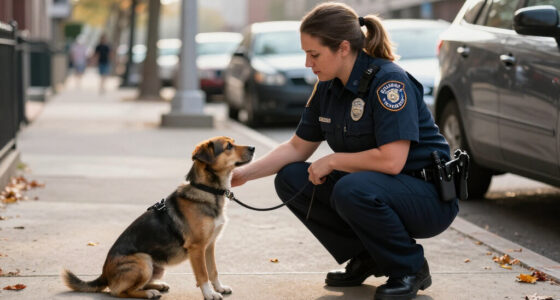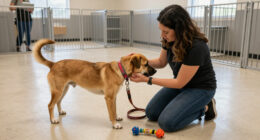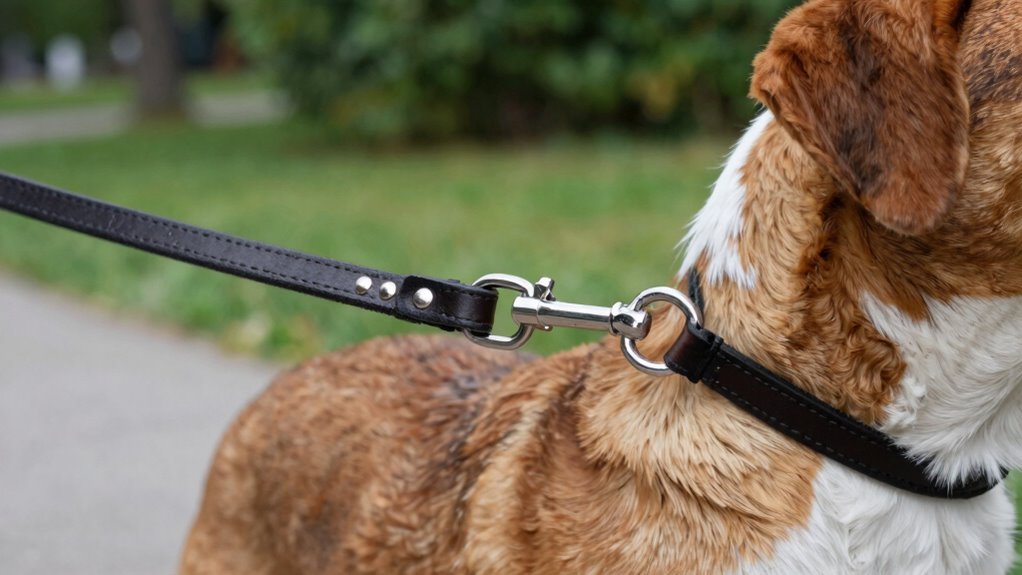

If you tighten the leash or stop suddenly when your dog pulls, you’re unintentionally teaching it to pull more. These reactions can reward pulling as a way for your dog to control the walk. Instead, focus on consistent, positive interactions like treats and praise for calm walking. Using the wrong handling habits can hinder progress, but changing your approach can make a big difference. Keep going to discover more effective methods to improve your dog’s leash behavior.

Get pet supplies delivered free with Prime
- Fast, free delivery on millions of items
- Prime Video, Amazon Music and more included
- Member-only deals all year
Key Takeaways
- Tightening the leash or pulling back when the dog pulls can unintentionally reinforce pulling behavior.
- Stopping suddenly when the dog pulls may encourage more pulling to regain control.
- Using a standard collar or basic leash without proper training techniques can make pulling easier for the dog.
- Rewarding calm walking with treats and praise helps discourage pulling habits.
- Inconsistent responses to pulling teach the dog that pulling is an effective way to control walks.
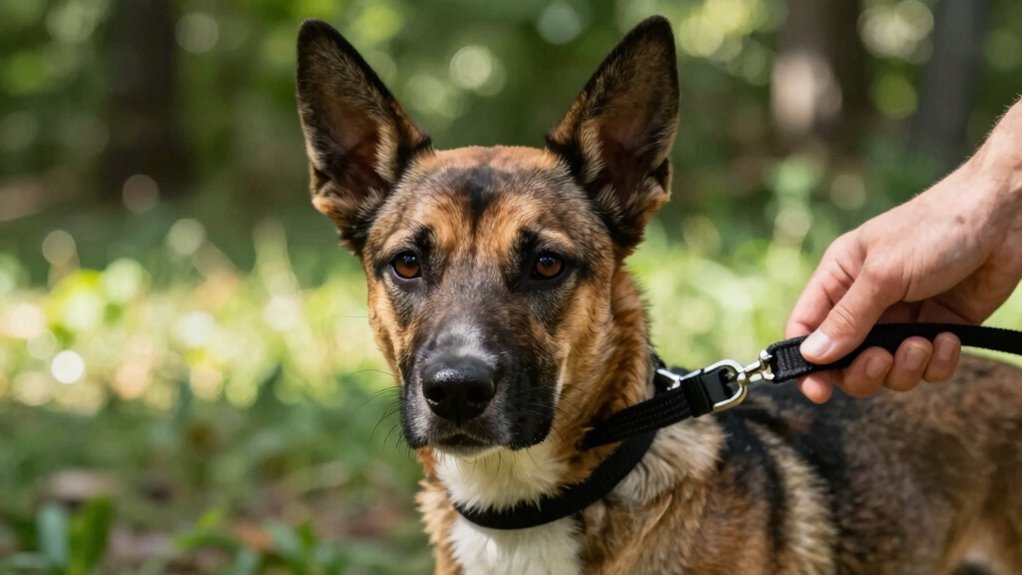
Many dog owners unknowingly teach their pets to pull on the leash, which can make walks frustrating and even dangerous. This common mistake often happens because of the training techniques you use and the type of leash you choose. If you’re not careful, your efforts to control your dog can inadvertently reinforce pulling behavior instead of discouraging it. Understanding how your approach influences your dog’s behavior is key to breaking this habit.
Unknowingly teaching your dog to pull can make walks frustrating and dangerous; consistent training and the right leash are key.
One of the main reasons dogs pull on the leash is that owners often rely on techniques that unintentionally reward pulling. For example, if you tighten the leash every time your dog pulls, your dog might interpret this as a signal to pull harder to get your attention. Alternatively, if you suddenly stop walking when your dog pulls, the dog might pull more to get you moving again. These responses create a cycle where pulling becomes a way to control the walk. Instead, effective training techniques focus on positive reinforcement, rewarding your dog when they walk calmly beside you without pulling. Using treats and praise consistently during walks helps your dog associate good behavior with rewards, making pulling less appealing.
The type of leash you choose also plays a significant role in teaching your dog to pull or walk nicely. Standard flat collars and basic leashes are common, but they can sometimes make it easier for dogs to pull since they have more freedom of movement. Consider switching to a no-pull harness or a head halter, which gives you better control and discourages pulling. These leash types distribute pressure more evenly and give you more leverage to guide your dog gently. When used correctly, they help your dog learn that pulling won’t get them farther ahead but instead will lead to discomfort or less freedom. Proper leash selection is essential in training your dog to walk politely on a leash. Additionally, consistent training methods help reinforce the desired behavior and prevent confusion, making progress more achievable. Moreover, understanding the impact of training techniques can greatly influence how quickly your dog learns to walk calmly. Implementing positive reinforcement consistently during training sessions further accelerates learning and fosters a cooperative attitude.
As an affiliate, we earn on qualifying purchases.
Frequently Asked Questions
How Can I Tell if My Dog Is Pulling Out of Habit or Excitement?
You can tell if your dog is pulling out of habit or excitement by observing their body language and behavior. If they pull enthusiastically, wag their tail, or bark, it’s likely excitement. Use calming techniques like a calming voice and gentle leash attachment to help. If their pulling persists even when relaxed, it might be habit. Consistent training and patience will teach them to walk calmly, regardless of their initial motivation.
Are Certain Leash Types More Likely to Cause Pulling Habits?
Certain leash types, especially those with design flaws, can encourage pulling. Equipment preferences matter; for example, retractable leashes or thin, flexible ones often give dogs too much slack, making pulling easier. A well-designed leash, like a front-clip harness or a sturdy, non-retractable leash, helps control your dog better and reduces pulling habits. Selecting the right leash design guarantees safer walks and encourages better behavior over time.
How Long Does It Typically Take to Break a Pulling Leash Habit?
You can typically break a pulling leash habit in 4 to 6 weeks with consistent training. Don’t worry if progress seems slow—training consistency is key to overcoming leash aggression and establishing good walking manners. Remember, patience and positive reinforcement make a big difference. Stick with your routine, and you’ll notice your dog walking calmly without pulling, transforming your walks into enjoyable experiences rather than stressful ones.
Can Leash Training Habits Affect My Dog’s Overall Behavior?
Yes, leash training habits can influence your dog’s overall behavior. Consistent leash etiquette, like rewarding good walking manners, promotes better dog socialization and reduces anxiety during walks. When you establish clear boundaries and positive reinforcement, your dog learns appropriate behaviors in various social settings, which can improve their confidence and obedience. Over time, these habits foster a well-behaved dog both on and off the leash, enhancing your overall relationship.
What Are Common Mistakes to Avoid During Leash Training?
You should avoid inconsistent training cues and using punishment, as these undermine positive reinforcement and confuse your dog. Don’t rush the process or pull on the leash, which can teach pulling instead of good walking manners. Instead, stick to consistency strategies like rewarding calm, loose-leash walking with treats. Keep training sessions short and positive, and always reward your dog for staying by your side to reinforce proper behavior.
As an affiliate, we earn on qualifying purchases.
Conclusion
So, ironically, the very leash you think keeps your dog safe might be teaching them to pull. Instead of control, it’s fostering habits you’d rather avoid. Think about it: by tightening the leash during a tug, you’re inadvertently reinforcing that pulling gets results. Next time, try a different approach—maybe one that actually teaches your dog to walk nicely beside you, rather than pulling against the very tool meant to guide them. Sometimes, the biggest lessons come from the least expected methods.
As an affiliate, we earn on qualifying purchases.
As an affiliate, we earn on qualifying purchases.
Halloween Picks
halloween
As an affiliate, we earn on qualifying purchases.