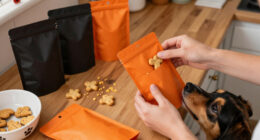

When choosing natural sweeteners for dog treats, options like honey, maple syrup, and fruits such as bananas and applesauce are generally safe when used in moderation. Honey offers antioxidants and antimicrobial benefits, while small amounts of maple syrup provide minerals. Fruits add natural sweetness along with beneficial nutrients. Always verify the ingredients are pure, free of additives, and suitable for your dog’s health. If you keep exploring, you’ll discover how to incorporate these sweeteners safely and effectively.

Get pet supplies delivered free with Prime
- Fast, free delivery on millions of items
- Prime Video, Amazon Music and more included
- Member-only deals all year
Key Takeaways
- Honey, when pure and used in moderation, is generally safe and offers antioxidants and antimicrobial benefits.
- Maple syrup is safe in small amounts, providing minerals like manganese and zinc, but should be used sparingly.
- Fruits such as bananas and applesauce are natural sweeteners rich in nutrients and fiber, suitable for homemade dog treats.
- Always ensure natural sweeteners are free from additives, seeds, stems, and added sugars to prevent health issues.
- Consult with a veterinarian to determine appropriate quantities based on your dog’s health needs and avoid overuse.
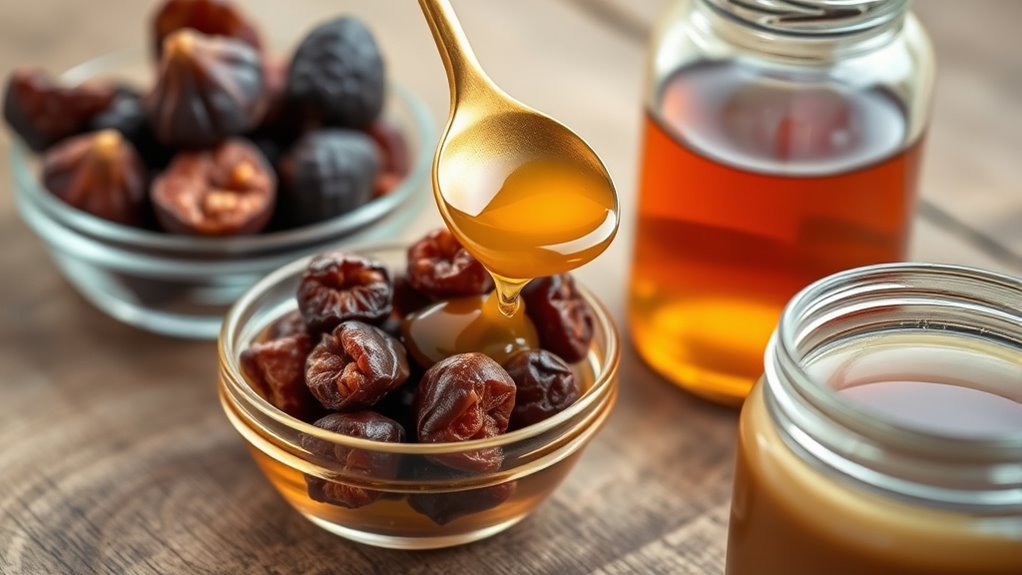
When choosing ingredients for homemade dog treats, using natural sweeteners can be a healthier alternative to processed sugars. Many commercial treats contain artificial additives and refined sugars that may not align with good pet nutrition guidelines. By selecting natural sweeteners, you can create treats that satisfy your dog’s sweet tooth while supporting their overall health. Homemade baking allows you to control what goes into each treat, making it easier to avoid harmful ingredients and focus on wholesome, nutritious options.
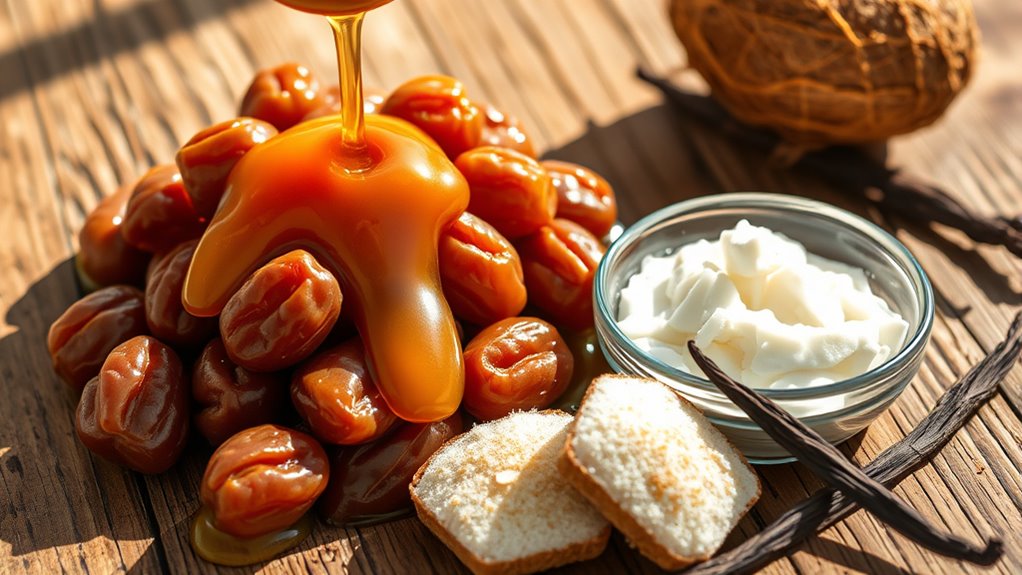
One popular natural sweetener is honey. It’s a natural product packed with antioxidants and has antimicrobial properties. When used in moderation, honey can enhance flavor and provide some health benefits for your dog. Just remember, honey is high in sugar, so you should use it sparingly, especially if your dog has weight issues or diabetes. It’s also important to ensure the honey you use is pure and free from additives. Honey fits well within pet nutrition guidelines when given in small amounts, and it can be a nice alternative to processed sugars in homemade baking.
Maple syrup is another safe option for sweetening dog treats. It contains minerals like manganese and zinc and is generally considered safe in small quantities. Maple syrup has a rich flavor that can make your treats more appealing, but again, moderation is key. Since it’s still a sugar source, overdoing it can lead to weight gain or blood sugar spikes. When incorporating maple syrup into your recipes, measure carefully and stick to recommended amounts for dogs. This way, you stay within pet nutrition guidelines and provide a treat that’s both tasty and healthy.
Some pet owners also use fruits like bananas or applesauce to naturally sweeten homemade treats. These options add not only sweetness but also fiber and essential nutrients. Bananas, in particular, are high in potassium and vitamins, making them a nutritious addition. When using fruits, ensure they’re free of seeds, stems, or added sugars, and chop or mash them thoroughly for easy mixing. This natural approach aligns well with homemade baking principles, allowing you to craft treats that are both delightful and nourishing.
Additionally, understanding the importance of growth mindset can encourage you to experiment with new ingredients and techniques, fostering continuous improvement in your baking skills. When choosing natural sweeteners, always keep in mind your dog’s specific health needs. Consult pet nutrition guidelines or your veterinarian if you’re unsure about quantities or suitable ingredients. Using natural sweeteners thoughtfully in homemade baking can help you provide treats that are safer, healthier, and more aligned with your dog’s dietary needs. It’s a simple way to make treats that are both delicious and beneficial, reinforcing your commitment to your pet’s well-being.
As an affiliate, we earn on qualifying purchases.
Frequently Asked Questions
Can All Natural Sweeteners Be Used in Homemade Dog Treats?
Not all natural sweeteners are appropriate for homemade dog treats. Some, like honey and pure maple syrup, have mild flavor profiles and are generally safe in moderation. Others, like agave or stevia, may cause digestive issues or aren’t recommended. Always follow storage guidelines to keep treats fresh and safe. Before using a sweetener, check with your vet to ensure it’s safe for your dog’s health and well-being.
Are There Any Natural Sweeteners That Are Toxic to Dogs?
You should avoid certain natural sweeteners, as fruit toxicity can harm your dog. Xylitol, found in some sugar alternatives, is highly toxic and can cause dangerous drops in blood sugar or liver failure. While many fruit-based sweeteners are safe in moderation, always check for specific fruit toxicity risks. Stick to dog-safe options like small amounts of honey or pure fruit purees, and consult your vet before introducing new treats.
How Much Natural Sweetener Is Safe to Add to Dog Treats?
Imagine a small spoonful of honey or applesauce blending into your dog’s treat—just enough to sweeten without overdoing it. For natural sweeteners, stick to small quantities, typically less than a teaspoon per treat or serving. Always follow dosage guidelines, and consult your vet if unsure. Keep the sweetener quantities minimal to make certain your pup enjoys a safe, tasty treat without risking health issues.
Do Natural Sweeteners Affect Dogs With Allergies or Sensitivities?
Natural sweeteners can affect dogs with allergies or sensitivities, so you should choose hypoallergenic options like honey or coconut sugar. Always monitor your dog for any signs of sensitivity, such as itching or stomach upset. Using natural sweeteners thoughtfully helps with sensitivity management, reducing the risk of allergic reactions. Consult your vet before adding new sweeteners to your dog’s treats to guarantee safety and suitability.
Are Natural Sweeteners Better Than Artificial Sweeteners for Dogs?
Natural sweeteners are generally better than artificial ones for dogs because they offer health benefits without the risks linked to artificial ingredients. Natural options, like honey or maple syrup, provide antioxidants and nutrients that support your dog’s well-being. Artificial sweeteners can cause health issues, such as blood sugar spikes or toxicity. Choosing natural sweeteners helps you give treats that are safer and healthier, promoting your dog’s overall health and happiness.
As an affiliate, we earn on qualifying purchases.
Conclusion
Think of natural sweeteners as gentle rain nourishing your dog’s treats, making them both tasty and safe. Just as a gardener carefully chooses the right water to nurture their plants, you select safe sweeteners to keep your pup happy and healthy. By choosing wisely, you’re creating a delicious oasis for your furry friend—a treat that’s not only sweet but also safe. Remember, with the right choices, you’re planting seeds for a healthier, happier bond.
As an affiliate, we earn on qualifying purchases.
dog treat recipes with maple syrup
As an affiliate, we earn on qualifying purchases.
As an affiliate, we earn on qualifying purchases.
Halloween Picks
halloween
As an affiliate, we earn on qualifying purchases.