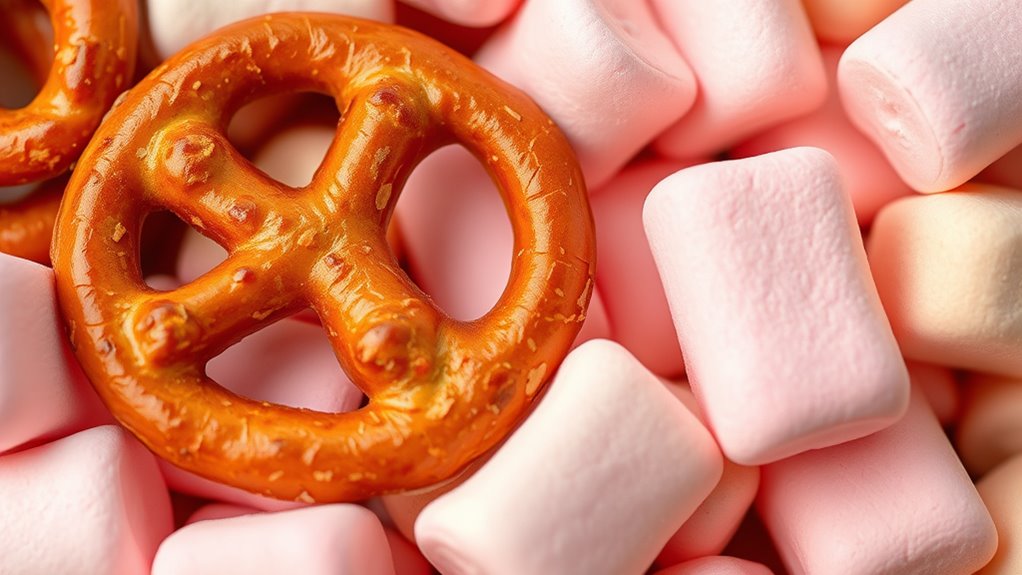

The science behind crunchy versus soft treats shows how texture affects your pet’s enjoyment, chewing habits, and dental health. Crunchy treats require biting and breaking, engaging jaw muscles and helping clean teeth mechanically, while soft treats are easier to chew and swallow, ideal for older or sensitive pets. Texture influences their satisfaction and health benefits, making taste alone not enough. Want to discover how you can choose wisely? Keep exploring to find out more.
Key Takeaways
- Texture influences how pets perceive treats, affecting their enjoyment, acceptance, and overall sensory experience.
- Crunchy treats engage jaw muscles and promote dental cleaning through mechanical abrasion during chewing.
- Soft treats are easier to chew and swallow, making them suitable for older or dental-sensitive pets.
- Pet preferences for treat textures are shaped by sensory cues such as sound, tactile feel, and mouthfeel.
- The choice of treat texture impacts pet health, including dental health and overall well-being, based on individual needs.
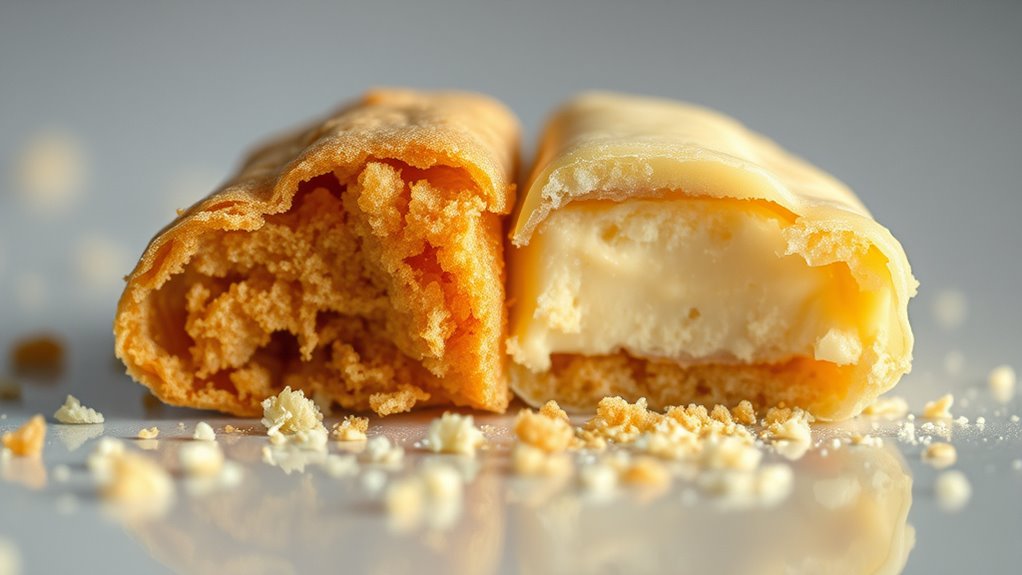
When it comes to choosing pet treats, the texture—whether crunchy or soft—can considerably impact your pet’s experience and health. This is where texture perception plays a vital role, influencing how your pet perceives and enjoys the treat. Texture perception involves the sensory evaluation of how a treat feels in your pet’s mouth, which can affect their willingness to chew, bite, or swallow. Understanding these sensory cues helps you select treats that not only appeal to your pet’s preferences but also support their dental health and overall well-being.
Texture perception influences your pet’s treat enjoyment and health by guiding their chewing and swallowing responses.
In sensory evaluation, the focus is on how different textures trigger specific responses. For example, crunchy treats require your pet to bite down and break the treat into smaller pieces, engaging their jaw muscles and promoting dental cleaning through mechanical action. This tactile experience can make your pet feel more satisfied and can even help reduce plaque buildup over time. Conversely, soft treats are easier to chew and swallow, often preferred by older pets or those with dental issues. They generate less force and can be gentler on sensitive gums, making them suitable for pets with compromised oral health.
Your pet’s texture perception is influenced by their individual preferences, age, breed, and health status. Some pets delight in the satisfying crunch of a treat, relishing the sound and sensation, while others may find soft treats more comfortable and less effortful to eat. Recognizing these preferences is key to providing treats that boost their enjoyment and engagement. Plus, the sensory evaluation process isn’t just about taste; it involves the overall mouthfeel—how the treat feels when bitten, chewed, and swallowed. This multi-sensory feedback guides your pet’s decision to continue eating or to turn away from a treat that doesn’t meet their tactile expectations.
Choosing between crunchy and soft treats isn’t solely about taste but understanding how your pet perceives texture. The sensory cues they respond to influence their satisfaction and can even impact their health. For instance, treats that are too hard for a senior pet might cause frustration or dental damage, while overly soft treats could lack the necessary mechanical cleaning benefits. By paying attention to texture perception and conducting your own sensory evaluation—observing how your pet reacts and feels—you can make informed decisions that enrich their treat experience while supporting their health. Ultimately, catering to their preferences ensures that treat time remains a positive and beneficial part of their routine.
Frequently Asked Questions
How Do Treats Affect Dental Health Differently?
Treat texture impacts your dental health by influencing plaque buildup. Crunchy treats help clean teeth as you chew, breaking up dental plaque and reducing bacteria that cause cavities. Soft treats, on the other hand, tend to stick to your teeth longer, promoting plaque accumulation. Choosing crunchy treats over soft ones encourages better dental hygiene because they naturally assist in cleaning your teeth while satisfying your craving.
Can Texture Influence a Pet’s Eating Habits Long-Term?
Your pet’s texture preference can substantially influence their long-term eating habits. If they favor crunchy treats, they might develop a preference for firmer foods, which can also promote dental health. Conversely, soft treats may lead to a preference for easier-to-eat options. By offering a variety of textures, you can shape their long-term habits, encouraging balanced eating and potentially supporting overall health and enjoyment during meal times.
Do Crunchy or Soft Treats Impact Digestion?
Crunchy treats can aid digestion by promoting better digestive enzyme activation, helping break down food more efficiently. They also encourage chewing, which stimulates saliva production and improves gut microbiota effects, supporting overall gut health. Soft treats may be easier to swallow but might not stimulate digestion as effectively. Your pet’s specific needs and preferences should guide your choice, ensuring ideal digestion and gut health.
Are There Sensory or Psychological Effects Tied to Treat Texture?
Ever notice how crunchy treats spark tactile pleasure while soft ones offer soothing comfort? You’re drawn to texture because it provides psychological satisfaction, making eating more enjoyable. The crispness or softness influences your mood and perception, turning a simple snack into an experience. This sensory connection taps into your brain’s reward system, enhancing your overall enjoyment. So, yes, treat texture profoundly affects your emotional and psychological responses.
How Does Treat Texture Influence Nutrient Absorption?
Your treat’s texture impacts nutrient absorption by influencing fiber digestion and enzyme activity. Crunchy treats often contain more fiber, which slows down digestion and enhances nutrient absorption over time. Soft treats digest faster, possibly bypassing some fiber benefits. The texture also affects how enzymes break down food, with crunchier textures encouraging more thorough enzyme activity. So, choosing a treat texture can subtly shape how well your body absorbs nutrients.
Conclusion
Ultimately, choosing between crunchy and soft treats gently reflects your personal preferences and the subtle pleasures you seek. While each offers its own unique charm, understanding the delicate science behind their textures allows you to appreciate the nuanced craftsmanship behind every bite. Whether you favor the crisp elegance or the tender embrace, embracing these subtle distinctions enriches your experience, turning simple indulgences into refined moments of enjoyment. After all, it’s the subtle art of texture that elevates your tasting journey.