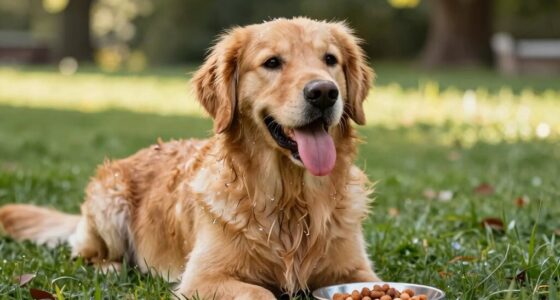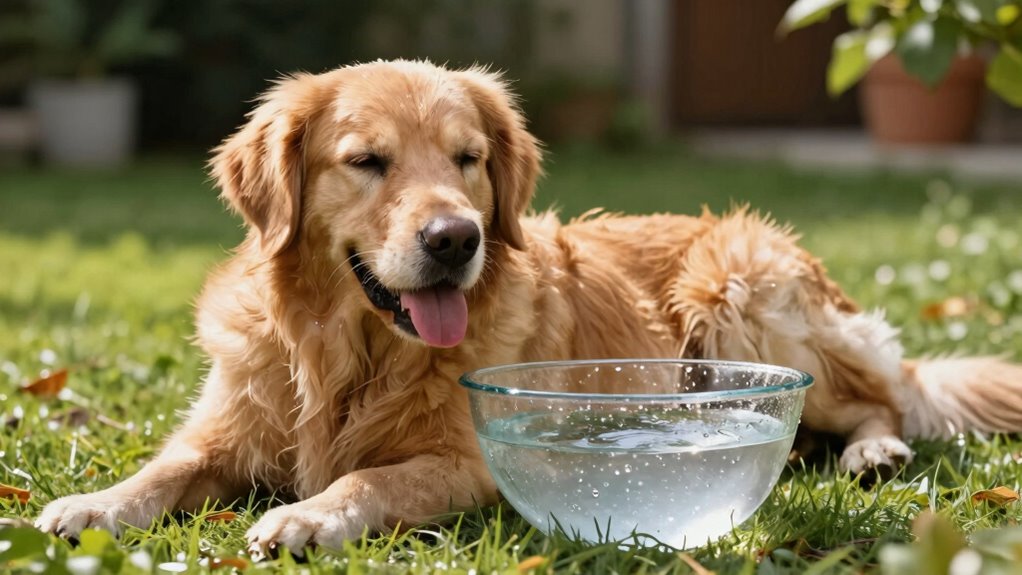
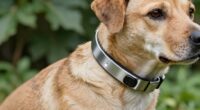
You might notice your dog needs more water due to factors like their size, breed, and activity level. Active, outdoor, or pregnant dogs typically drink more to stay hydrated, while health conditions like kidney issues or diabetes can also increase thirst. Environment and weather play a role too; hot or humid days cause higher water intake. If you keep an eye on these signals, you’ll better understand your dog’s hydration needs and what might require a vet’s attention.
Key Takeaways
- Active, outdoor, pregnant, or nursing dogs require more water due to increased activity or physiological demands.
- Health conditions like kidney disease or diabetes can cause elevated water intake.
- Environmental factors such as heat or humidity increase hydration needs to prevent dehydration.
- Certain breeds and larger dogs generally need more water based on size and metabolic rate.
- Sudden changes in water consumption may indicate underlying health issues requiring veterinary attention.
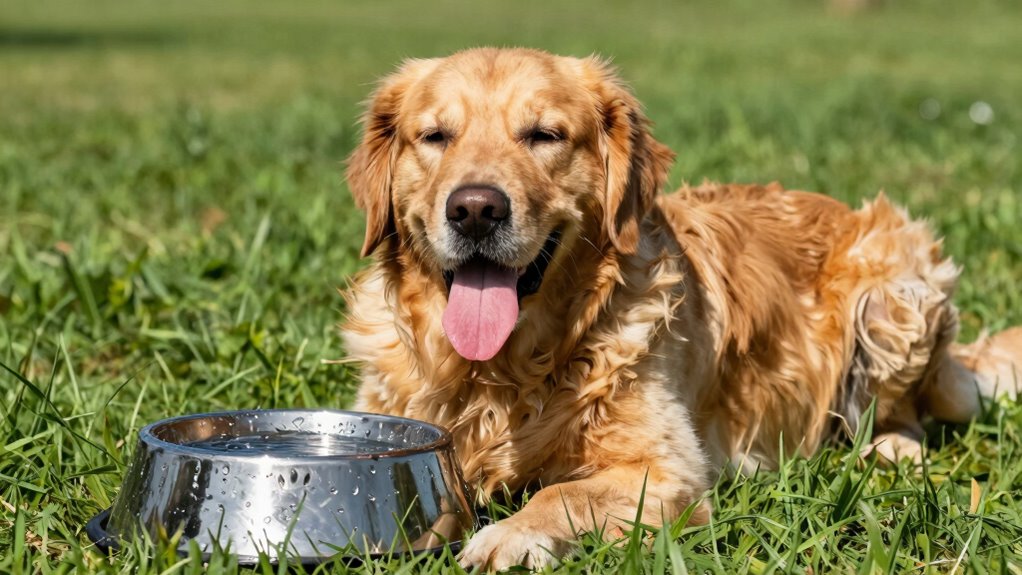
Have you ever wondered why some dogs seem to drink water nonstop while others barely sip? It’s a question many pet owners ask, especially when they notice their dog’s water intake varies from day to day. Understanding hydration needs can help you ensure your dog stays healthy and comfortable. Every dog has different hydration needs based on factors like size, breed, activity level, and overall health. These factors influence how much water your dog needs to stay properly hydrated. If your dog is very active, spends a lot of time outdoors, or is pregnant or nursing, they’ll naturally require more water to replace what they lose through activity and heat. Conversely, less active dogs or those with certain health conditions might need less water, but you should always monitor their hydration to avoid dehydration or overhydration.
Dogs’ water needs vary based on activity, health, and environment—monitor hydration to keep them healthy and comfortable.
Water intake isn’t just about how much your dog drinks; it’s also about how their body uses that water. Dogs with certain health issues—like kidney disease, diabetes, or hormonal imbalances—may have altered hydration needs. These conditions can cause your dog to drink more water than usual, sometimes even excessively. It’s important to recognize these signs early, as increased water consumption can be a symptom of underlying health issues. If your dog suddenly starts drinking a lot more water without a clear reason, it’s wise to consult your veterinarian to rule out health concerns. Additionally, some health conditions can affect a dog’s hydration levels, making it especially important to stay vigilant about their water intake. Drinking enough water is also essential for maintaining healthy organ function, especially in dogs with health issues that impact fluid balance. Proper hydration is crucial for detoxification and supporting your dog’s immune system, particularly during illness or recovery. Moreover, environmental factors can influence how much water your dog needs, as they adapt to their surroundings and temperature.
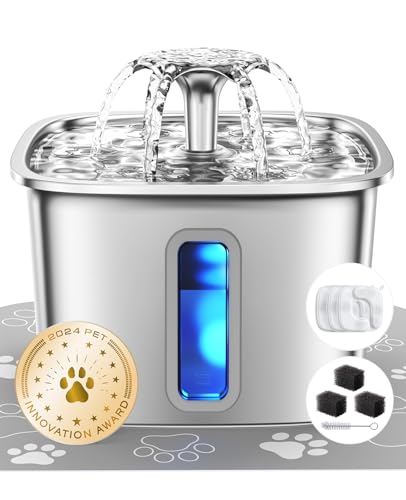
Veken Innovation Award Winner Stainless Steel Cat Water Fountain, 108oz
- Material: Premium 304 stainless steel construction
- Capacity: 108 oz (3.2 L) water capacity
- Ease of Assembly: Quick snap-together setup
As an affiliate, we earn on qualifying purchases.
As an affiliate, we earn on qualifying purchases.
Frequently Asked Questions
How Can I Tell if My Dog Is Drinking Enough Water?
You can tell if your dog is drinking enough water by checking their hydration signs, like healthy skin, bright eyes, and normal energy levels. Follow water intake guidelines based on their size and activity level, avoiding hydration myths that suggest unlimited water. Make sure they’re consistently drinking and not showing signs of dehydration, such as dry gums or lethargy. Regularly monitor their water consumption to keep them properly hydrated and healthy.
Are There Specific Breeds That Require More Water?
Ever wonder if breed-specific hydration affects your dog’s water needs? Certain breeds, like active working dogs or those with thick coats, naturally require more water due to water consumption variations. For example, retrievers and huskies often need extra hydration to stay healthy. Understanding breed-specific hydration helps you adjust water intake accordingly, ensuring your dog stays properly hydrated and healthy, especially during hot days or vigorous activity.
Can Diet Affect My Dog’s Water Needs?
Yes, your dog’s diet can influence their water needs. Dietary restrictions, like high-protein or salty foods, may increase thirst and dehydration risk. Adding hydration supplements can help, especially if your dog struggles to drink enough water. Always monitor their intake, and consult your vet about any diet changes or supplements to guarantee they stay properly hydrated and healthy. Proper hydration supports their overall well-being and helps prevent health issues.
What Signs Indicate Dehydration in Dogs?
Don’t ignore the signs of dehydration; your dog might be crying out for help. Look for dry gums, sunken eyes, lethargy, and loss of skin elasticity. These are clear signs your pup’s hydration myths or water intake misconceptions could be at play. When you see these symptoms, act fast—dehydration can escalate quickly. Regularly monitor water intake to keep your dog happy and healthy—don’t let them go from bad to worse.
How Does the Weather Impact a Dog’s Water Intake?
Weather considerably impacts your dog’s water intake. Hot, humid days cause dogs to sweat and lose more fluids, so they naturally drink more. Many hydration myths suggest dogs only need water, but water-rich foods like watermelon and cucumbers can help with hydration. During chilly weather, dogs might drink less, but you should still monitor their intake to prevent dehydration, especially if they’re very active or have health issues.

Ohtomber 1.25 Gallons Stainless Steel Dog Bowl, Big Pet Water & Food Bowl
- Material: Rust-proof stainless steel construction
- Capacity: 1.25 gallons (4731 ml) large capacity
- Size: 12.4 x 8.46 x 3.94 inches
As an affiliate, we earn on qualifying purchases.
As an affiliate, we earn on qualifying purchases.
Conclusion
Just like a car needs more fuel on a long trip, some dogs require extra water to keep going strong. I once watched my energetic Labrador gulp down a large bowl after a vigorous hike, reminding me that their bodies, like ours, can sometimes overheat or lose fluids faster than expected. Keep an eye on your furry friend’s hydration, because a well-watered dog is a happy, healthy companion ready for any adventure that comes your way.

WAGG SMARTER Dog Care Planner: Dog Health, Hydration & Wellness Tracker | Pet Journal for Feeding, Training, Behavior & Vet Logs
As an affiliate, we earn on qualifying purchases.
As an affiliate, we earn on qualifying purchases.

Portable Dog Water Bottle, 14 OZ Stainless Steel Pet Water Dispenser
- Ideal for Travel: Perfect for trips, hikes, and walks
- Durable Material: Made of safe, BPA-free stainless steel
- Leak-proof Design: Silica gel seal prevents water leaks
As an affiliate, we earn on qualifying purchases.
As an affiliate, we earn on qualifying purchases.