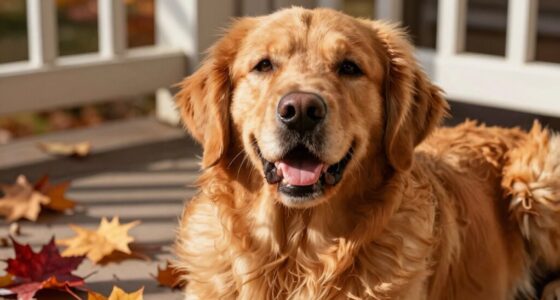
Your dog’s coat acts as an early warning sign of diet issues because changes in color, texture, or shedding can signal nutritional deficiencies, like lacking essential fatty acids or vitamins. Regular grooming helps you spot flaky skin, bald patches, or dull fur that point to health problems. By paying close attention to your dog’s coat, you can catch dietary problems early and take steps to improve their well-being—you’ll find more helpful insights ahead.

Get pet supplies delivered free with Prime
- Fast, free delivery on millions of items
- Prime Video, Amazon Music and more included
- Member-only deals all year
Key Takeaways
- A dull, rough, or shedding coat often indicates nutritional deficiencies, such as lack of essential fatty acids or vitamins.
- Sudden or uneven changes in coat color can signal underlying dietary imbalances or allergies.
- Brittle fur and bald patches are visual signs of deficiencies in biotin, omega-3s, or other nutrients.
- Regular grooming reveals early skin issues linked to poor nutrition or poor diet quality.
- Monitoring coat condition helps detect nutritional problems before they affect overall health.

Many dog coat and diet problems are interconnected, affecting your pet’s health and comfort. Their coat isn’t just about appearance; it’s a window into their overall well-being. When you notice changes in your dog’s coat, it’s often a sign that something isn’t quite right internally. Grooming habits play a key role here—not only do regular brushing and bathing keep the coat healthy, but they also help you spot early signs of issues. For example, if you find excessive shedding, bald patches, or rough, dull fur, these could be linked to nutritional deficiencies or underlying health problems. Your dog’s diet directly influences the quality of their coat, so paying attention to these grooming cues can help you catch problems early.
One of the most noticeable indicators of diet-related issues is coat color changes. While some variation in coat color can be normal, sudden or uneven changes often point to nutritional imbalances. For example, a dull or faded coat might suggest a lack of essential fatty acids or vitamins, such as biotin or omega-3s. Conversely, a reddish or inflamed skin tone, along with changes in coat hue, could signal allergies or poor diet. As you groom your dog, keep an eye out for patches of discoloration or areas where the coat appears thin or brittle. These subtle cues help you connect the dots between diet and coat health, emphasizing how essential proper nutrition is for maintaining a vibrant, shiny coat. Additionally, nutritional deficiencies can manifest visibly through coat quality, making early detection crucial. Recognizing nutritional imbalances early can help prevent more serious health issues down the line. Regularly monitoring your dog’s coat and skin can also help identify environmental factors or allergies that might contribute to these issues, further highlighting the importance of a balanced diet.
Your grooming habits also influence your ability to detect early warning signs of dietary issues. Regular brushing not only keeps the coat clean but also stimulates skin health and increases blood flow, promoting better nutrient absorption. During grooming, you might notice flaky skin, dandruff, or an unusual smell—all signs that your dog’s diet might need adjustment. If you see these issues alongside coat color changes, it’s a clear signal to review their diet and possibly consult a vet. Additionally, ensuring your dog’s grooming routine includes checking their ears, paws, and skin can uncover hidden problems caused by deficiencies or allergies. Recognizing early signs of dietary problems through grooming can significantly improve your pet’s health and comfort, especially when combined with a holistic understanding of their nutritional needs. Staying informed about nutritional health indicators can help you maintain your dog’s overall well-being and prevent more serious issues from developing.
dog coat supplement with omega-3
As an affiliate, we earn on qualifying purchases.
As an affiliate, we earn on qualifying purchases.
Frequently Asked Questions
Can Coat Changes Indicate Specific Nutrient Deficiencies?
Yes, coat changes can indicate specific nutrient deficiencies. A nutrient imbalance often affects coat texture, making it dull, brittle, or greasy. For example, low omega-3 fatty acids can cause dry, flaky skin, while insufficient biotin may lead to thinning hair. By paying attention to these coat signs, you can identify potential deficiencies early and adjust your dog’s diet to promote healthier, shinier fur.
How Quickly Can Diet Affect My Dog’s Coat?
Diet can affect your dog’s coat within a few weeks, especially if it lacks essential nutrients. You might notice changes as early as 2-4 weeks, with dullness, dryness, or shedding becoming more apparent. Flea infestations and seasonal shedding can also impact coat health, but poor nutrition accelerates these issues. Ensuring a balanced diet helps maintain a shiny coat and reduces problems caused by diet deficiencies.
Are Certain Breeds More Prone to Coat Issues From Diet?
Yes, certain breeds are more prone to coat issues from diet due to breed-specific sensitivities and coat texture variations. For example, breeds like Bulldogs or Poodles often experience sensitive skin or coat problems if their diet lacks essential nutrients. You should pay close attention to your dog’s unique needs and adjust their diet accordingly, ensuring they get the right balance of nutrients to maintain a healthy, shiny coat.
What Other Health Issues Can Cause Coat Problems?
Think of your dog’s coat as a mirror reflecting their health. Genetic disorders, like hypothyroidism or allergies, can cause coat issues, making fur dull or patchy. Environmental factors, such as exposure to harsh weather, pollutants, or parasites, also play a role. These problems can strip away your dog’s shine, signaling underlying health concerns. Staying vigilant and consulting your vet helps guarantee your pup stays healthy and looking their best.
How Can I Improve My Dog’s Coat Through Diet?
You can improve your dog’s coat through diet by providing high-quality, balanced nutrition rich in omega-3 and omega-6 fatty acids, which promote healthy skin and fur. Incorporate grooming techniques like regular brushing to distribute natural oils and remove loose hair. Also, consider environmental influences, such as ensuring your dog stays protected from harsh weather, which can affect coat health. Proper diet and grooming together support a shiny, healthy coat.
As an affiliate, we earn on qualifying purchases.
Conclusion
Think of your dog’s coat as a mirror reflecting its inner health, much like a calm lake revealing the sky above. If you notice dullness or patches, it’s a sign to check your dog’s diet, because what nourishes their body shapes what you see on the surface. Paying attention to these signs helps you steer the ship back on course, ensuring your furry friend’s coat stays shiny and vibrant—proof that their inside health is thriving.
As an affiliate, we earn on qualifying purchases.
As an affiliate, we earn on qualifying purchases.
Halloween Picks
halloween
As an affiliate, we earn on qualifying purchases.