
When installing a wall-mounted dog door, you’ll encounter crucial components like framing, insulation, wiring, and plumbing. These elements influence both safety and energy efficiency, so it’s important to know what lies inside your wall. Ignoring these features could lead to damage or drafts. Understanding what’s inside helps you plan correctly and avoid costly mistakes. Keep going to discover how to navigate these wall features and ensure a smooth, secure installation.

Get pet supplies delivered free with Prime
- Fast, free delivery on millions of items
- Prime Video, Amazon Music and more included
- Member-only deals all year
Key Takeaways
- Walls contain framing, insulation, wiring, and plumbing, which influence the installation process and may require reinforcement or modifications.
- Proper planning ensures compatibility with existing wall infrastructure, preventing damage and safety issues during installation.
- Electrical wiring or plumbing within the wall may need to be rerouted or protected when installing a dog door.
- Understanding wall components helps select the right model and installation method for secure, insulated, and safe placement.
- Professional consultation can assess wall structure, ensuring the door’s installation maintains safety, insulation, and security features.
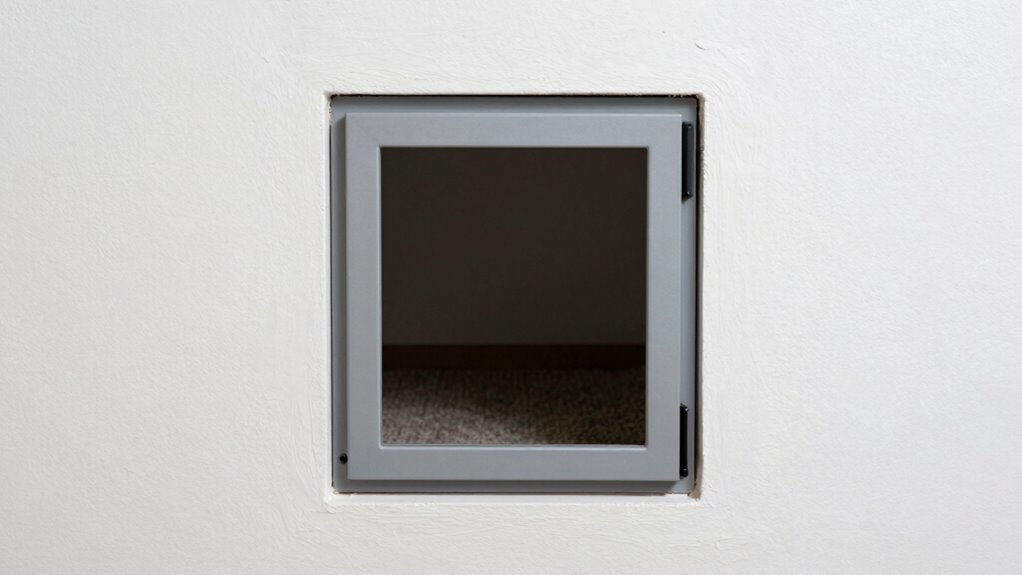
Installing a dog door in your wall can be an excellent way to give your pet easy access to the outdoors while maintaining the security and aesthetics of your home. When you choose a wall-mounted dog door, it’s essential to consider what’s inside your wall and how it might impact both safety and comfort. One of the key aspects to focus on is security features. Unlike simple flap doors, many wall-installed options come with locking mechanisms, heavy-duty flaps, or electronic sensors that prevent unwanted visitors from entering. These features help you control when your dog can go outside and ensure that pests or intruders stay out, giving you peace of mind. Security isn’t just about keeping others out; it’s also about protecting your pet. Some advanced models include tamper-proof locks and alarms, adding an extra layer of safety.
Beyond security, insulation considerations are just as vital. Your wall isn’t just a barrier between inside and outside; it’s also a thermal insulator. If you ignore insulation, you might find that the outdoor elements seep into your home, causing drafts or increasing heating and cooling costs. When installing a dog door, you want to choose one designed with insulation in mind—look for models with layered flaps, weather stripping, or insulated frames. These features help maintain your home’s temperature and prevent energy loss, especially if you live in an area with extreme weather conditions. Proper insulation also ensures your pet remains comfortable, whether it’s hot or cold outside.
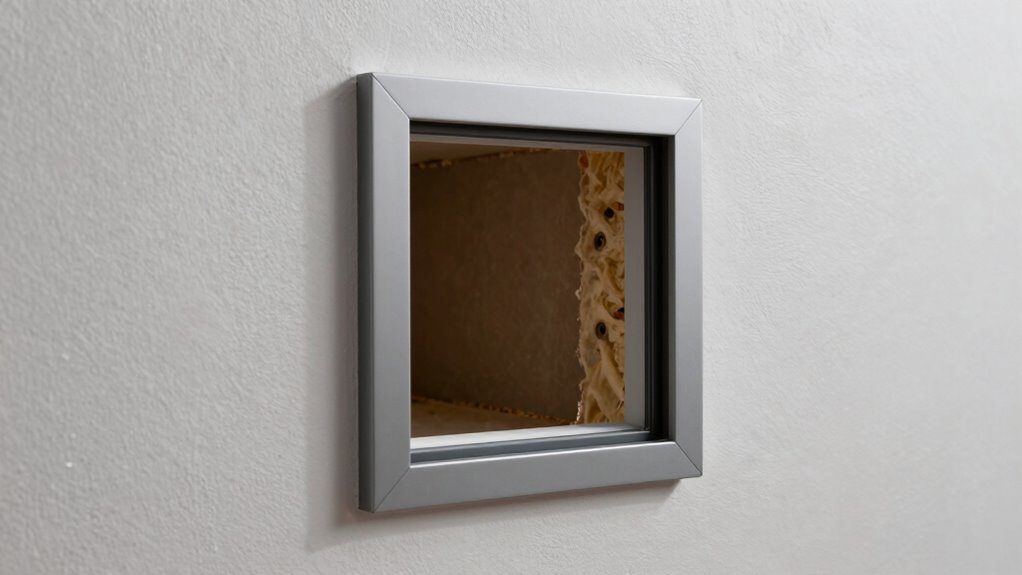
Inside your wall, you’ll find framing, insulation, and sometimes wiring or plumbing. It’s important to evaluate these elements before installation. You might need to reinforce the wall or add additional insulation layers around the door opening. If your wall contains electrical wiring or pipes, you’ll want to plan carefully so you don’t accidentally disrupt essential systems or compromise your home’s safety. Consulting with a professional can save you headaches later, especially if your wall has complex infrastructure. They can help you choose the right type of dog door that fits your wall’s construction and ensures both security and insulation are maintained. Being aware of wall infrastructure and how it interacts with your installation can prevent costly mistakes and improve overall safety.
wall-mounted dog door with security lock
As an affiliate, we earn on qualifying purchases.
As an affiliate, we earn on qualifying purchases.
Frequently Asked Questions
How Long Does Wall Installation Typically Take?
Installing a dog door in your wall usually takes about 2 to 4 hours, depending on the complexity. Your installation timeline can vary based on scheduling considerations, like availability of tools and materials. If you prepare in advance and choose a good time, the process flows smoothly. Keep in mind that extra time may be needed if your wall requires additional modifications or if you hire a professional for the job.
Can I Install a Dog Door Myself?
Installing a dog door yourself isn’t impossible, but it’s like trying to build a spaceship with a hammer—challenging! If you’re comfortable with DIY projects, you can follow the instructions carefully, but consider cost considerations and potential mistakes. DIY installation saves money, yet improper setup might cause air leaks or security issues. Weigh your skills and tools before deciding; sometimes, hiring a pro guarantees a perfect fit and peace of mind.
What Materials Are Used Inside the Wall?
Inside your wall, you’ll find insulation materials like fiberglass or foam, which help regulate temperature and sound. The wall cavity, the space between your studs, houses these materials along with electrical wiring and sometimes plumbing. When installing a dog door, you need to carefully cut through this cavity without damaging the insulation or wiring. Understanding what’s inside guarantees you can do the job safely and effectively, maintaining your wall’s integrity.
Is Professional Installation Necessary?
You should consider professional installation for your wall-mounted dog door to guarantee safety and proper fit. While it might cost more upfront, professionals handle the necessary safety precautions, minimizing risks like structural damage or wiring issues. Their expertise can save you time and money in the long run, ensuring your pet’s door is secure and functional. Don’t skip this step—investing in professional installation is worth it for peace of mind.
How Do I Ensure Proper Insulation Around the Door?
Imagine a snug, warm cave for your dog, protected from drafts. To achieve this, you need proper insulation techniques like foam fillers or weatherstripping around the door. Seal all gaps carefully with weatherproof caulk or sealant to prevent air leaks. This ensures your pet stays comfortable and energy efficiency is maintained. Proper sealing methods make all the difference between a drafty opening and a cozy, secure space for your furry friend.
insulated pet door for wall installation
As an affiliate, we earn on qualifying purchases.
As an affiliate, we earn on qualifying purchases.
Conclusion
Think of your wall as the gateway to your home’s heart, protecting what matters most. Installing a dog door isn’t just about convenience; it’s about trust—trust that your pet can freely explore while your home remains secure. Inside that wall, a tiny universe of mechanisms and materials works silently, symbolizing the harmony between freedom and safety. When you choose wisely, you’re building more than a doorway—you’re forging a bond that keeps your family connected and protected.
As an affiliate, we earn on qualifying purchases.
heavy-duty wall dog door with weather stripping
As an affiliate, we earn on qualifying purchases.
As an affiliate, we earn on qualifying purchases.
Columbus Day / Indigenous Peoples' Day Picks
long weekend sales
As an affiliate, we earn on qualifying purchases.