GPS trackers use satellite signals to pinpoint your location accurately in real time. For the best results, they need to connect with at least four satellites, allowing precise triangulation. Environmental factors like trees, tall buildings, and tunnels can block or weaken signals, reducing accuracy and update speed. Longer battery life means better long-term tracking, but obstacles can still cause issues. Keep exploring to discover more ways to optimize your GPS device’s performance.

Get pet supplies delivered free — and shop member deals
- Fast, free delivery on millions of items
- Access to Prime Big Deal Days deals on October 6–7
- Prime Video, Amazon Music and more included
Key Takeaways
- GPS trackers rely on signals from multiple satellites for precise location data.
- Connecting with at least four satellites is necessary for accurate triangulation.
- Environmental obstacles like trees and buildings can block satellite signals, reducing accuracy.
- Obstructions cause delays and inaccuracies in real-time location updates.
- Optimal satellite connectivity ensures reliable tracking and better positional precision.
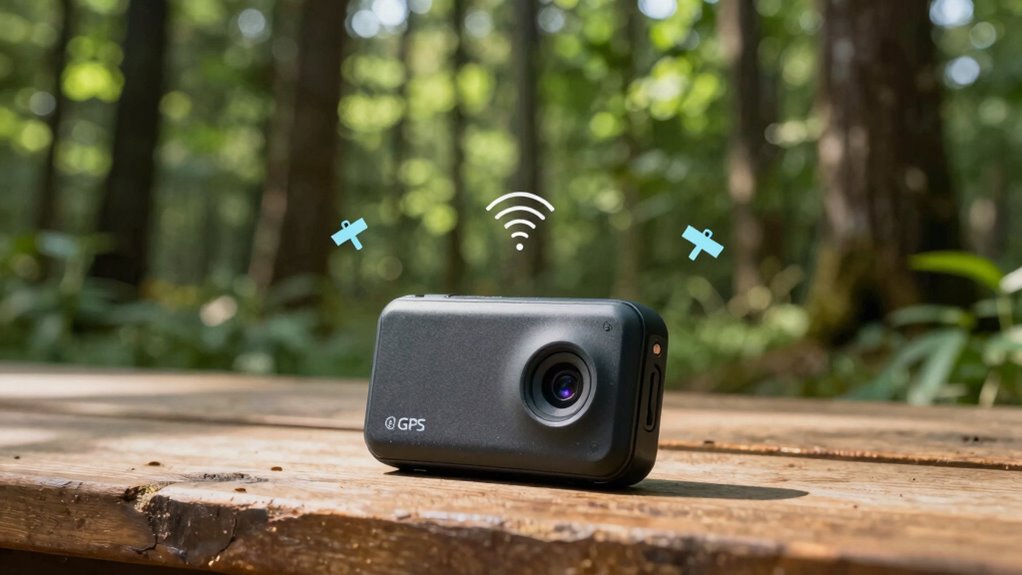
GPS trackers are small devices that use satellite signals to determine and transmit their location in real-time. When you rely on a GPS tracker, you’re getting instant updates that show exactly where the device is at that moment. This feature, known as real-time updates, is essential for tracking vehicles, assets, or even loved ones. It allows you to monitor movements continuously and respond quickly if needed. However, the effectiveness of these updates depends heavily on the device’s battery life. If the tracker’s battery runs out, your real-time tracking stops until it’s recharged or replaced. That’s why many GPS trackers are designed with optimized power management to extend battery life, ensuring you get consistent updates without frequent interruptions. Some models also include features like low-battery alerts, so you’re always informed before the device powers down.
Battery life becomes especially important if you plan to use a GPS tracker for long-term monitoring. For example, if you’re tracking a vehicle or asset over several days or weeks, a device with a longer battery life reduces the need for frequent recharging. This means less maintenance and more reliable data. On the other hand, devices with shorter battery lives might provide more frequent updates but require constant attention to keep them powered. The trade-off depends on your specific needs—whether you prioritize real-time updates or longer operational periods.
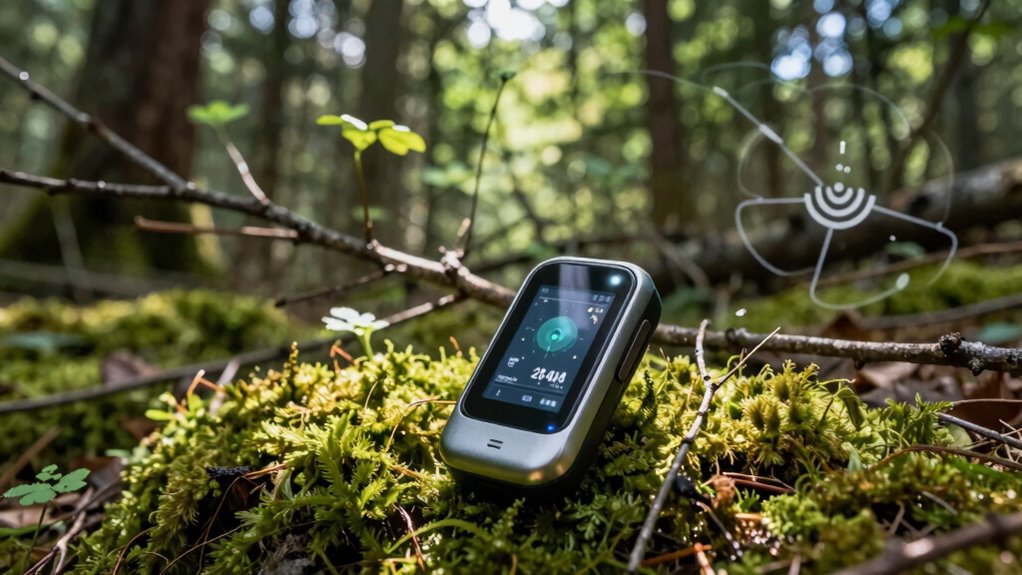
The way a GPS tracker communicates with satellites plays a significant role in its accuracy and update frequency. Satellites orbit high above the Earth, constantly transmitting signals that your device receives and processes. The more satellites it connects with, the more precise your location becomes. Most trackers aim to connect with at least four satellites to triangulate your position accurately. However, environmental factors like trees, tall buildings, or tunnels can interfere with satellite signals, reducing accuracy and sometimes causing delays in real-time updates. It’s essential to contemplate these obstacles when choosing a GPS tracker, especially if you need consistent and accurate data in challenging environments.
GPS tracker with long battery life
As an affiliate, we earn on qualifying purchases.
As an affiliate, we earn on qualifying purchases.
Frequently Asked Questions
How Do Weather Conditions Affect GPS Signal Strength?
Weather conditions can weaken your GPS signal by causing signal interference and atmospheric disruptions. Heavy rain, snow, or fog can absorb or scatter satellite signals, making them less reliable. Atmospheric conditions like ionospheric delays or storms also reduce signal strength and accuracy. When weather worsens, your GPS tracker may take longer to lock onto satellites or provide less precise location data, so it’s best to be aware of these effects during adverse weather.
Can GPS Trackers Work Underwater or Underground?
GPS trackers can’t work underwater or underground like they do in open air because underwater signals are blocked, and underground reception is limited. Think of it as trying to listen to a whisper in a noisy room; the signals struggle to reach satellites. For underwater or underground tracking, you need specialized devices that use alternative methods, such as radio frequency or inertial sensors, to keep tabs on your location where GPS signals can’t reach.
What Is the Battery Life of Most GPS Devices?
Most GPS devices have a battery life ranging from a few hours to several weeks, depending on their battery longevity and power management features. If you want longer usage, opt for devices with efficient power management that conserve energy when full tracking isn’t needed. Keep in mind, frequent updates or high accuracy settings can drain the battery faster, so balance your device’s power needs with your tracking requirements.
Are There Legal Restrictions on GPS Tracking?
Yes, there are legal restrictions on GPS tracking you should consider. You need to guarantee legal compliance by obtaining consent before tracking someone’s location and respecting privacy concerns. Laws vary by jurisdiction, so you must stay informed about regulations that govern tracking devices. When used responsibly and legally, GPS trackers help you monitor assets or loved ones without infringing on privacy rights or risking legal issues.
How Often Do Satellites Update Their Positions?
Satellites typically update their positions every 1 to 2 seconds, offering real-time tracking. This satellite update frequency guarantees your GPS device maintains a precise tracking interval, often around every second or two. When you’re monitoring an object or person, this rapid update cycle helps you get accurate, current location data. So, you can rely on the consistent tracking interval provided by these frequent satellite updates for your navigation needs.
As an affiliate, we earn on qualifying purchases.
Conclusion
In the end, understanding how GPS trackers work helps you make smarter choices about their use. Remember, even the best technology isn’t foolproof—trees and buildings can interfere, so stay aware of their limitations. As the saying goes, “Forewarned is forearmed.” By knowing the accuracy factors and satellite mechanics, you can rely on your GPS more confidently and navigate the world with greater ease. Stay informed, and your journeys will be smoother.
As an affiliate, we earn on qualifying purchases.
As an affiliate, we earn on qualifying purchases.
Fall Picks
fall essentials
As an affiliate, we earn on qualifying purchases.