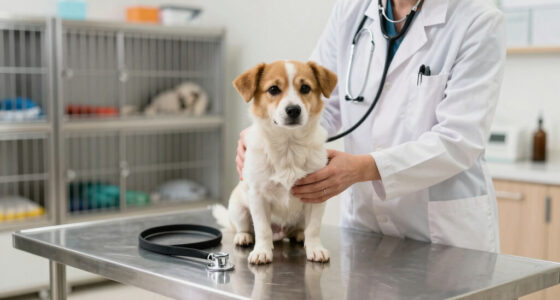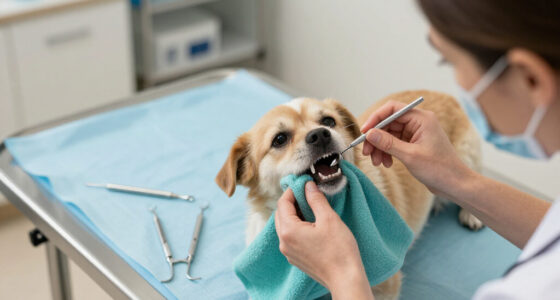

Normal panting usually happens after activity or in hot weather, with steady, controlled breaths, a hanging tongue, and it subsides when your pet cools down. Trouble breathing, on the other hand, is persistent, labored, or rapid, with difficulty catching breath, pale or bluish gums, and signs of discomfort or distress—often lasting longer or occurring without obvious reason. Recognizing these differences helps catch health issues early; keep going to learn more about what to watch for.

Get pet supplies delivered free — and shop member deals
- Fast, free delivery on millions of items
- Access to Prime Big Deal Days deals on October 6–7
- Prime Video, Amazon Music and more included
Key Takeaways
- Normal panting occurs after activity or heat, with steady, controlled breaths; trouble panting is rapid, labored, and persistent without cause.
- Normal panting usually subsides quickly; trouble signs include ongoing difficulty breathing and signs of distress.
- Pale or bluish gums indicate serious trouble, unlike normal panting, which typically involves healthy-colored gums.
- Abnormal panting may be accompanied by whining, restlessness, or lethargy, unlike normal panting that reflects cooling or recovery.
- Rapid, struggling, or labored breathing signals potential health issues needing immediate veterinary attention.

Understanding the difference between normal panting and signs of trouble is essential if you want to keep your pet safe. Panting is a natural part of animal behavior, often signaling that your pet is trying to cool down or recover from exertion. Normally, you’ll notice your pet breathing rapidly but steadily, with their tongue hanging out and mouth open. This type of breathing pattern indicates that your pet is simply regulating their body temperature or recovering from activity. However, it’s vital to recognize when panting becomes abnormal, as it can be a warning sign of underlying health issues.
Recognizing normal vs. abnormal panting helps keep your pet safe and alert to health issues.
Normal panting usually occurs after exercise or in hot weather, and it tends to subside once your pet cools down or relaxes. The breathing pattern in these cases is consistent and controlled, without signs of distress. You might see your dog or cat panting for a few minutes, then returning to normal breathing, which is a good indication that all is well. Animal behavior, here, includes normal responses to environmental and physical stimuli. When your pet’s panting persists longer than usual, or if it happens when they aren’t active or in hot conditions, that’s when you should be alert.
Trouble signs emerge when panting becomes labored, rapid, or accompanied by other abnormal behaviors. For example, if your pet is breathing heavily with a fluttering chest, struggling to breathe, or showing signs of discomfort like whining or restlessness, that’s a cause for concern. These breathing patterns may indicate respiratory distress, pain, or serious conditions such as heart failure. Pay attention if your pet’s mouth is open wide, their gums are pale or bluish, or they seem unable to catch their breath. These symptoms suggest that something is wrong and needs immediate attention. Recognizing these signs of distress can be lifesaving and underscores the importance of being familiar with normal versus abnormal behaviors. Additionally, rapid or irregular breathing can sometimes be linked to underlying health issues that require veterinary intervention. Monitoring your pet’s breathing patterns closely can help you catch early warning signs before they become critical.
It’s also important to observe your pet’s overall behavior. If they’re lethargic, disoriented, or hiding more than usual, these are additional clues that they’re not feeling well. Normal animal behavior includes curiosity, playfulness, and alertness, so a sudden change to sluggishness or anxiety combined with abnormal panting warrants a quick vet visit. Being aware that proper observation of breathing and behavior can help you identify early warning signs is crucial in preventing serious health complications. Recognizing these subtle differences in breathing patterns and behaviors helps you distinguish between normal panting and signs of trouble. Being familiar with Normal animal behavior can help you identify when your pet’s actions deviate from their usual habits. By staying attentive and understanding your pet’s usual habits, you can act promptly and potentially save their life when an emergency arises.
dog respiratory distress monitor
As an affiliate, we earn on qualifying purchases.
As an affiliate, we earn on qualifying purchases.
Frequently Asked Questions
How Can I Tell if My Pet’s Panting Is Due to Heat or Stress?
If your pet’s panting is due to heat or stress, look for signs like rapid, shallow breathing, and open-mouth panting. Cooling mechanisms, such as seeking shade or water, suggest heat, while anxiety indicators include pacing, trembling, or vocalizing. If your pet continues to pant excessively despite cooling efforts, or shows other distress signs, seek vet advice promptly to guarantee it’s not a serious health issue.
Are Some Breeds More Prone to Abnormal Panting?
Some breeds are more prone to abnormal panting, like a delicate porcelain doll prone to cracks. Breed predispositions and genetic factors play a role, making certain dogs, such as Bulldogs or French Bulldogs, more susceptible. These breeds often have shorter muzzles or respiratory issues, which can lead to abnormal panting even without heat or stress. Knowing your dog’s breed helps you recognize when panting signals a problem.
What Are the First Signs of Respiratory Distress in Animals?
You’ll notice signs of respiratory distress when your animal starts labored breathing, rapid or shallow breaths, or wheezing. Changes in respiratory anatomy, like swelling or obstructions, affect breathing mechanics, making it harder to breathe comfortably. Watch for increased effort, open-mouth panting, or bluish gums. These symptoms indicate your pet is struggling to get enough oxygen, and prompt veterinary attention is vital to address underlying issues and guarantee their safety.
How Does Age Affect Normal Versus Abnormal Panting?
Imagine your pet’s breathing as a symphony—age influences its tune. With age-related respiratory changes, their developmental breathing patterns shift, making normal panting sound different. Young animals breathe steadily, like a gentle melody, while older ones may pant more irregularly, resembling a complex improvisation. Recognizing these age-related variations helps you distinguish between normal panting and signs of trouble, ensuring timely care and peace of mind.
Can Diet Influence a Pet’s Breathing Patterns?
Yes, your pet’s diet impact can influence their breathing habits. A balanced diet supports overall health, including respiratory function. Poor nutrition or allergies from certain foods can cause inflammation or congestion, leading to irregular breathing patterns. Ensuring your pet eats quality, appropriate food helps maintain healthy lungs and clear airways, reducing the chances of abnormal panting. Always consult your vet for dietary advice tailored to your pet’s specific needs.
As an affiliate, we earn on qualifying purchases.
Conclusion
Think of normal panting as your dog’s gentle breeze on a warm day—calm, steady, and easy to breathe. But if those breaths turn ragged like a stormy wind, it’s a sign you need to act quickly. Just as a ship needs a steady hand to navigate rough waters, you’re the captain of your pet’s well-being. Recognize the signs, stay alert, and steer them back to safe, peaceful waters before trouble truly strikes.
As an affiliate, we earn on qualifying purchases.
As an affiliate, we earn on qualifying purchases.
Fall Picks
fall essentials
As an affiliate, we earn on qualifying purchases.