
Understanding your dog’s gut health is key to their overall well-being. A healthy gut supports digestion, boosts immunity, and influences mood. It relies on a balanced microbiome, maintained with good nutrition, probiotics, prebiotics, and sometimes enzymes. Choosing quality supplements and consulting your vet can help keep things running smoothly, especially if your dog has sensitivities or a picky appetite. Keep exploring to learn simple ways to give your dog the best gut health possible.
Key Takeaways
- A healthy dog gut supports nutrient absorption, immune function, and overall well-being.
- The gut microbiome, consisting of beneficial bacteria, plays a crucial role in digestive health.
- Probiotics and prebiotics help restore and maintain a balanced gut environment.
- Digestive enzymes assist in breaking down food more efficiently for better nutrient uptake.
- Monitoring and supporting gut health can prevent issues like diarrhea, gas, and discomfort.
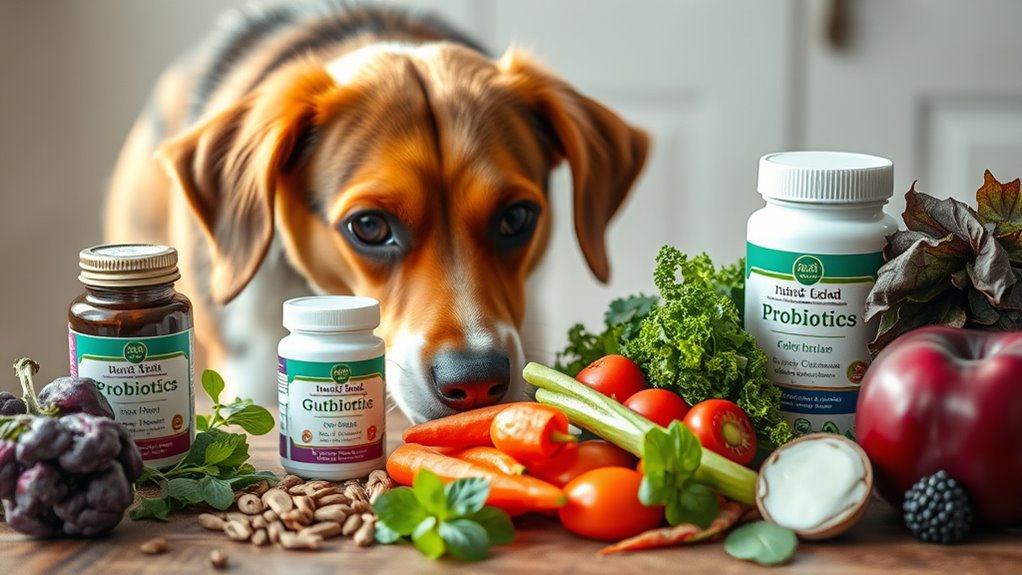
Have you ever wondered how your dog’s digestive system impacts their overall health? It’s more than just breaking down food; it’s about maintaining a balanced gut microbiome that supports immune function, nutrient absorption, and even mood. A healthy gut starts with understanding how to keep that delicate ecosystem in check. One way to do this is through nutritional supplements, which can bolster your dog’s digestive health when used appropriately. These supplements often contain probiotics, prebiotics, or enzymes designed to promote a thriving gut environment.
Probiotic benefits are particularly significant. These beneficial bacteria help restore and maintain the natural balance of microorganisms in your dog’s intestines. If your pup has been on antibiotics, experienced gastrointestinal upset, or shows signs of poor digestion, probiotic supplements can be a game-changer. They introduce friendly bacteria directly into the gut, helping to outcompete harmful bacteria and improve overall digestion. This, in turn, can lead to softer, more regular stools, less gas, and a happier tummy. Additionally, a robust probiotic population supports your dog’s immune system, as a significant portion of immune cells reside in the gut lining. When the gut is healthy, your dog is less susceptible to infections and inflammation.
It’s essential to choose high-quality nutritional supplements that contain strains of probiotics proven to benefit dogs, such as Lactobacillus and Bifidobacterium. These strains have been studied extensively and are known for their ability to survive the acidic environment of the stomach, reaching the intestines where they exert their positive effects. Incorporating these supplements into your dog’s routine can be especially beneficial if your dog is a picky eater or has a sensitive stomach. Always consult your veterinarian before starting any new supplement regimen to make sure it’s suitable for your dog’s specific needs.
In addition to probiotics, other nutritional supplements like digestive enzymes or prebiotics can enhance gut health. Enzymes help break down food more efficiently, reducing the burden on your dog’s digestive system. Prebiotics serve as food for the beneficial bacteria, encouraging their growth and activity. Together, these supplements create a supportive environment for a balanced microbiome, which is essential for your dog’s overall well-being. Monitoring changes in your dog’s gut health can also provide insights into the impact of automation in business, as evolving health needs may influence supplement choices and care routines. Remember, a healthy gut is the foundation of good health, and proactive steps like incorporating the right nutritional supplements can make a significant difference in your dog’s quality of life.
Frequently Asked Questions
How Can I Tell if My Dog Has a Gut Health Issue?
You can tell if your dog has a gut health issue by observing symptom identification, like diarrhea, vomiting, or bloating. Notice if they have decreased appetite or excessive gas. To confirm, consider diagnostic testing recommended by your vet, such as stool analysis or blood work. Early detection helps address problems quickly, so stay alert to changes in behavior or digestion, and consult a professional for proper diagnosis and treatment.
Are Probiotics Safe for All Dog Breeds?
Probiotics are generally safe for most dog breeds, but they’re like a key fitting most locks—some breeds have sensitivities. You should check specific probiotic strains for your dog’s breed, as certain strains may cause issues. Always consult your vet before introducing new supplements, especially if your dog has breed sensitivities or health concerns. Proper guidance guarantees your pup’s gut health blossoms without any unwanted surprises.
How Long Does It Take to Improve a Dog’s Gut Health?
It typically takes about 2 to 4 weeks to see improvements in your dog’s gut health. During this time, their gut flora begins to balance out, and digestive enzymes improve nutrient absorption. You may notice better stool consistency and increased energy. Stay consistent with probiotics and a healthy diet, and monitor your dog’s response. If issues persist beyond a month, consult your veterinarian for personalized advice.
Can Diet Changes Cause Gut Health Problems in Dogs?
Yes, diet changes can cause gut health problems in dogs. Sudden shifts may disrupt the delicate balance of their microbiome, affecting prebiotic effects and fiber benefits. Imagine a river suddenly diverted—disrupting flow and causing turbulence. Introducing new foods without gradual adjustments can lead to digestive upset, bloating, and diarrhea. To protect your dog’s gut health, slowly incorporate fiber-rich foods that promote healthy bacteria and support overall digestion.
What Are the Signs of a Balanced Versus Unbalanced Gut in Dogs?
A balanced gut in your dog shows few digestive symptoms and stable behavior, like normal stool and good energy levels. An unbalanced gut might cause digestive issues such as diarrhea, vomiting, or constipation, along with behavior changes like irritability or lethargy. Keep an eye on these signs, and if you notice any, consider consulting your vet to restore your dog’s gut health.
Conclusion
Taking care of your dog’s gut health isn’t just about avoiding issues—it’s about ensuring a happier, more energetic companion. By feeding them a balanced diet, providing probiotics, and staying attentive to their needs, you can support their digestive wellness. Isn’t it worth investing a little extra effort to give your furry friend the best life possible? Remember, a healthy gut lays the foundation for overall vitality and happiness. Your dog deserves that level of care.