
Lick mats work differently depending on your dog’s temperament, sensitivities, and past experiences. Some dogs find them calming and engaging, especially if they’re food-motivated and enjoy textures or scents. Others, like those with high anxiety or sensory sensitivities, may not respond well or could become frustrated. By understanding your dog’s individual needs and gradually encouraging use with treats, you can improve their experience. Keep exploring how to tailor lick mats for your pup’s best response.

Get pet supplies delivered free with Prime
- Fast, free delivery on millions of items
- Prime Video, Amazon Music and more included
- Member-only deals all year
Key Takeaways
- Dogs that are naturally calm or motivated by food tend to engage more with lick mats.
- Positive training and gradual introduction foster better acceptance and reduce wariness.
- Sensory sensitivities or dislikes of textures and smells can limit a dog’s interest.
- Individual temperament and prior experiences influence how effectively a dog responds.
- Patience, consistency, and tailored strategies enhance a dog’s interaction with lick mats.
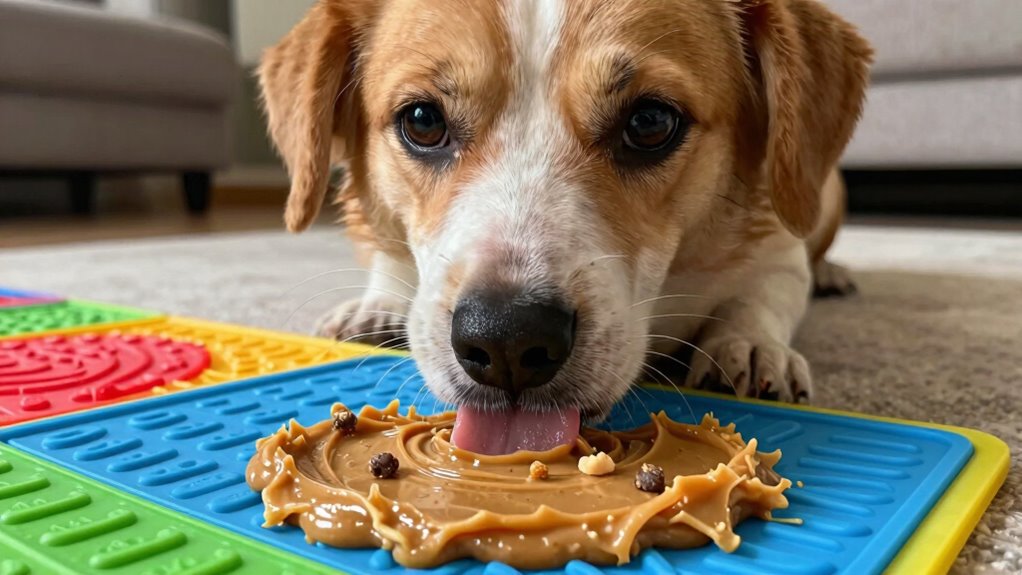
Lick mats have become a popular tool for calming and engaging dogs, but they don’t work equally well for every pet. Your dog’s behavior plays a significant role in how effective a lick mat can be. Some dogs eagerly lick away, finding comfort and distraction, while others show little interest or become frustrated. Understanding why requires looking into individual differences in temperament and prior experiences. Dogs that are naturally calm or have been exposed to positive reinforcement training techniques tend to respond better to lick mats. They see the activity as a soothing routine, helping them manage stress or boredom. Conversely, dogs with anxiety, high energy levels, or negative associations with certain objects may not respond as effectively.
Lick mats work best for calm, positively trained dogs; others may need different calming strategies.
Your approach to training techniques can influence how your dog perceives a lick mat. If you introduce the mat gradually, associating it with treats or praise, your dog is more likely to develop a positive behavior around it. For example, placing small treats or peanut butter on the mat and rewarding your dog for even a few licks helps build a connection between the mat and pleasant experiences. Over time, this can help reduce any initial resistance or frustration. But if you abruptly give your dog a lick mat without guidance or positive reinforcement, they might become wary or uninterested. Patience and consistency are key, especially when working to modify behaviors or introduce new objects. Positive reinforcement techniques are particularly effective in encouraging your dog to accept and enjoy the lick mat.
It’s also worth noting that some dogs’ natural tendencies influence their response. Dogs that are more independent or less food-motivated may not find the lick mat as engaging, regardless of training. Similarly, dogs with sensory sensitivities might dislike the texture or smell of certain mats, which can hinder their willingness to lick or chew on it. In these cases, adjusting the type of lick mat or pairing it with their favorite treats can make a difference. Additionally, understanding how individual differences such as temperament and sensory sensitivities impact responses can help tailor strategies for each dog. Recognizing these factors and considering behavioral patterns can significantly improve your approach and your dog’s experience with lick mats. Being aware of your dog’s unique sensory preferences can further enhance their comfort and engagement with the activity.
Products Worth Considering

Fi Series 3+ GPS Dog Collar & Tracker, Membership Required, Gray Large

Dyson Ball Animal 3 Extra Upright Vacuum

PETLIBRO RFID Automatic Cat Feeder with Wi-Fi and Collar Tag Recognition
As an affiliate, we earn on qualifying purchases.
Frequently Asked Questions
Can Lick Mats Help With Separation Anxiety in Dogs?
Lick mats can help with separation anxiety by providing a calming activity that distracts your dog. They’re an effective alternative calming technique when combined with behavior modification strategies. When your dog licks the mat, it releases endorphins, promoting relaxation. While not a cure alone, using lick mats alongside training can reduce anxiety symptoms and make departures easier. Consistent use helps your dog associate separation with calmness and comfort.
Are There Specific Ingredients That Make Lick Mats More Effective?
Think of lick mats as a garden for your dog’s senses. Ingredients like peanut butter, yogurt, or soft fruits boost sensory stimulation, making the experience more engaging. These enrichments promote dog enrichment by encouraging licking and mental focus. Using natural, dog-safe ingredients guarantees safety and maximizes effectiveness. Experimenting with flavors and textures can turn the lick mat into a delicious, calming activity that taps into your dog’s natural instincts.
How Long Does It Take to See Results Using a Lick Mat?
You might see results within a few days to a week using a lick mat, especially if you incorporate consistent training techniques and behavior modification. The key is patience and regular use, gradually increasing the time your dog spends licking. Over time, your dog learns to associate the lick mat with positive experiences, reducing anxiety or boredom. Remember, every dog is different, so progress varies based on individual temperament and consistency.
Are Lick Mats Safe for Dogs With Allergies?
Like Pandora’s box, allergy triggers can surprise you, but you can keep your dog safe. Lick mats are generally safe if you use allergy-friendly, safe ingredients that avoid common triggers like grains, artificial additives, or certain proteins. Always check labels carefully and consult your vet before introducing new treats. With mindful choices, lick mats can provide enrichment without risking allergic reactions, helping your dog stay happy and healthy.
Can Puppies Use Lick Mats Safely?
Yes, puppies can use lick mats safely when supervised. They help redirect puppy chewing, preventing destructive habits and soothing teething pain. Lick mat benefits include calming effects and mental stimulation, which are perfect for puppies adjusting to new environments. Just make certain the materials are non-toxic and the food used is suitable for puppies. Always supervise your puppy during use to prevent choking or ingestion of large pieces.
Conclusion
Understanding why lick mats work for some dogs and not others can be a game-changer. Remember, every dog is unique, and what soothes one might not work for another. You might find the key to calming your pup by trying different methods, but patience is essential. Sometimes, it’s a matter of finding the right fit—like finding a needle in a haystack. Keep experimenting, stay persistent, and you’ll eventually hit the jackpot.