
Microchipping your dog is a simple and effective way to improve their safety. The tiny chip, injected under the skin between the shoulders, contains a unique ID linked to your contact information. If your dog gets lost, shelters or vets can scan her for a quick retrieval of your info. Microchipping is low-risk, long-lasting, and widely recommended, giving you peace of mind. To learn more about the process, benefits, and how to keep your dog’s microchip current, keep exploring.
Key Takeaways
- Microchipping provides quick dog identification and increases chances of safe reunion if lost.
- The procedure is quick, minimally invasive, and performed by a veterinarian or trained professional.
- Microchips last a pet’s lifetime and require updates to contact information as needed.
- It generally poses minimal liability risk and is widely recommended for pet safety.
- Advances in technology improve the accuracy and ease of microchipping procedures.
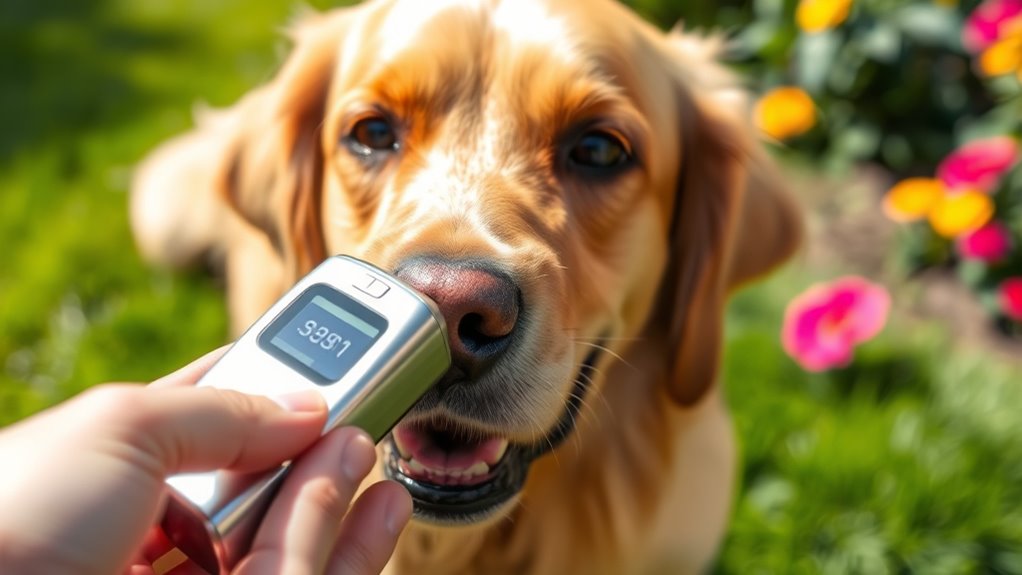
Microchipping your dog is a simple yet effective way to guarantee they can be identified if they get lost. When your pet has a microchip, a quick scan at a shelter or veterinary clinic can reveal your contact information, increasing the chances of a safe reunion. However, understanding the process and legal considerations is important before deciding to microchip your dog. One key aspect to contemplate is liability concerns, which can arise if your dog causes injury or damage while unmicrochipped or if the microchip itself causes complications. While liability issues are generally minimal, some owners worry about potential legal responsibilities if their pet acts unpredictably. Rest assured, microchipping is a widely accepted practice, and most jurisdictions do not impose significant liability on owners for microchipping their pets, but it’s wise to familiarize yourself with local laws to stay informed.
The implantation procedures are straightforward and minimally invasive. During the procedure, a veterinarian or trained professional injects a small microchip, about the size of a grain of rice, beneath your dog’s skin, typically between the shoulder blades. The process takes only seconds and is similar to a vaccination shot, causing minimal discomfort. Many pet owners worry about the pain or risk of infection, but adverse reactions are rare. After implantation, your dog might experience slight swelling or tenderness, but these symptoms usually resolve quickly. It’s important to keep an eye on the site and follow your vet’s aftercare instructions. Additionally, advancements in robotics technology are increasingly used to improve the accuracy and speed of microchip implantation procedures.
Once implanted, the microchip contains a unique identification number linked to your contact details in a database. It’s essential to keep this information current, especially if you move or change phone numbers. Some owners wonder about the permanence of microchips and whether they can be removed; generally, microchips are designed to last the lifetime of your pet, and removal is usually only considered if complications arise. Although the procedure is simple, you should discuss any concerns with your veterinarian beforehand. They can explain the specific implantation procedures, address liability concerns, and help you understand the long-term benefits of microchipping.
Frequently Asked Questions
How Much Does Microchipping Typically Cost for Dogs?
Microchipping your dog usually costs between $25 and $50, depending on the clinic and location. You should do a cost comparison between different microchip brands, as prices and features can vary. Some vets include the fee in a veterinary visit, while others charge separately. Keep in mind that microchipping is a one-time expense that provides lifelong identification, making it a smart investment for your pet’s safety.
Can Microchips Be Safely Implanted in Puppies?
You can safely implant microchips in puppies, as the implantation procedure is quick and minimally invasive, like a gentle pinch. It’s designed to support your puppy’s health, with little discomfort during and after. Veterinarians carefully consider age and health, ensuring your puppy is ready for the procedure. Rest assured, microchipping helps keep your puppy secure, with a safe process tailored to promote their well-being from a young age.
What Should I Do if My Dog’s Microchip Is Not Registered?
If your dog’s microchip isn’t registered, you should contact the microchip company immediately to update the information and guarantee proper microchip registration. This step is crucial for lost dog recovery, as it allows shelters and vets to identify your dog quickly. Make it a priority to keep your contact details current and verify registration periodically, so you’re prepared if your dog ever gets lost.
Are Microchips Mandatory for All Dog Breeds?
Are microchips mandatory for all dog breeds? It depends. In many areas, legal requirements mandate microchipping for all dogs, regardless of breed, to guarantee quick recovery if lost. But some regions impose breed restrictions, exempting certain breeds from this rule. Stay alert—regulations can change, and knowing your local laws helps you stay compliant and protect your furry friend. Don’t wait—check your area’s current breed restrictions and legal requirements today.
How Often Do Microchips Need to Be Updated or Replaced?
Microchips typically last around 10 to 20 years, so you usually don’t need to update or replace them often. However, it’s wise to check your dog’s microchip periodically to verify it works properly. If needed, replacement procedures are straightforward; a veterinarian can help. Keep your contact information updated with the microchip registry to stay connected in case your dog gets lost. This ensures your pet’s safety long-term.
Conclusion
So, next time you walk past a park, imagine spotting a lost dog with a tiny microchip nestled beneath its skin. It’s a small detail that could reunite you with a furry friend you never knew was nearby. Microchipping isn’t just about safety; it’s about peace of mind. Coincidentally, many dogs with chips are found exactly where their owners least expect—reminding you that sometimes, the smallest things can make the biggest difference.