
To understand your dog’s emotions, pay close attention to body language cues like tail position, ear orientation, eye contact, and posture. Relaxed dogs seem confident and happy, while signs of stress or fear include tucked tails, avoiding eye contact, or stiffening. Recognizing these subtle signals helps you respond appropriately, building trust and ensuring safety. If you notice these cues, you can support your dog’s emotional well-being. Keep exploring to discover more ways to interpret and connect with your pet.
Open a free Amazon Business account
Business pricing, bulk buying and tax-exempt orders.
As an affiliate, we earn on qualifying purchases.
Key Takeaways
- Recognize emotional cues through body language, such as tail position, eye contact, and posture.
- Socialization during puppyhood influences emotional resilience and confidence.
- Signs of stress or discomfort include yawning, lip licking, and backing away.
- Calm, relaxed dogs display loose body movements, soft eyes, and wagging tails.
- Respect boundaries and give space to prevent fear escalation and build trust.
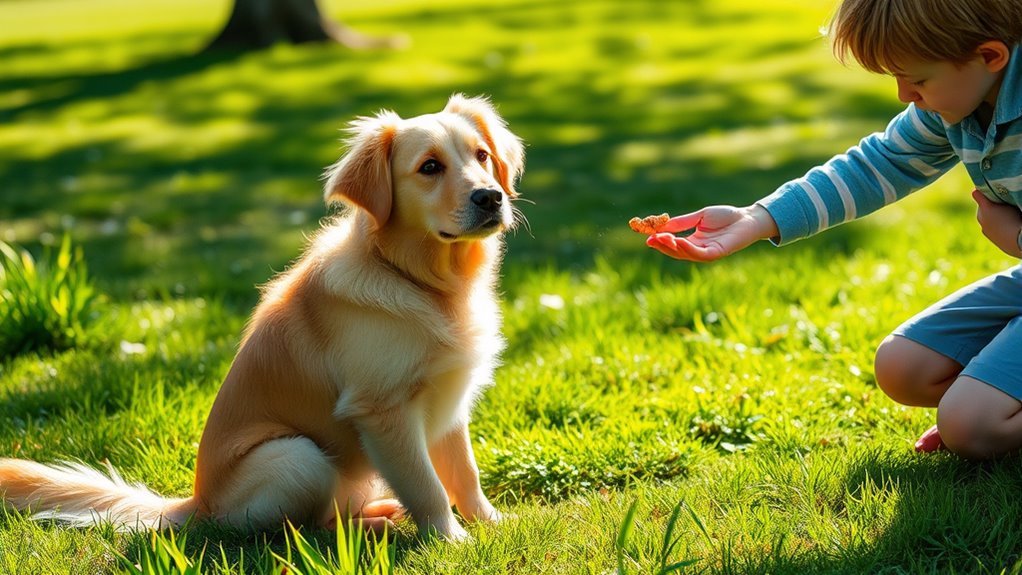
Have you ever wondered what your dog is really feeling? Understanding dog emotions starts with recognizing how they communicate through puppy socialization and canine body language. When your dog is young, socializing them with other puppies and people helps shape their emotional development. Proper puppy socialization isn’t just about exposure; it’s about creating positive experiences that teach your pup how to interpret the world around them. If they’re shy or fearful during interactions, they might show it through tucked tails, lowered ears, or avoiding eye contact. Conversely, if they’re confident and happy, they’ll often approach new experiences with wagging tails, relaxed bodies, and open mouths. Paying attention to these subtle cues helps you gauge their emotional state and respond appropriately.
Canine body language is a language of its own, and understanding it is key to deciphering what your dog feels. For example, a dog that feels relaxed will have a loose, wagging tail, soft eyes, and a calm posture. If your pup raises their hackles or stiffens, they might be feeling threatened or anxious. Baring teeth or growling are clear signs of discomfort or aggression, while yawning or lip licking can indicate stress or uncertainty. When you observe these signals, you can intervene to make your dog feel safer and more secure. During puppy socialization, it’s essential to recognize and respect their boundaries. If they show signs of discomfort, such as backing away or freezing, give them space and time to regain their confidence. Using appropriate equipment like calming vests or barriers can also help them feel more at ease in new environments. Over time, positive social experiences help them develop trust and emotional resilience.
As you guide your dog through socialization, you’re helping them learn how to express and manage their feelings. This process isn’t just about exposure; it’s about fostering emotional intelligence. When you understand canine body language, you can prevent misunderstandings that might lead to fear or aggression later in life. For example, if a dog shows signs of stress during a new encounter, you can redirect their focus or remove them from the situation before it escalates. This proactive approach builds their confidence and deepens your bond. Remember, every dog is unique, and their emotional responses may vary based on temperament and past experiences. Observing their body language during puppy socialization gives you vital insights into their emotional needs, helping you create a supportive environment where they can thrive emotionally. Ultimately, understanding dog emotions isn’t just about reading signals—it’s about fostering a relationship built on trust, respect, and clear communication.
dog body language interpretation guide
As an affiliate, we earn on qualifying purchases.
As an affiliate, we earn on qualifying purchases.
Frequently Asked Questions
How Can I Tell if My Dog Is Happy or Anxious?
You can tell if your dog is happy or anxious by observing their body language and vocal cues. A happy dog wags their tail, has relaxed ears, and a soft, open mouth, while an anxious one may cower, tuck their tail, or have tense muscles. Vocal cues like barking, whining, or growling also reveal their feelings. Pay close attention to these signs to better understand your dog’s emotional state.
Do Dogs Dream During Sleep?
Yes, dogs do dream during sleep. You can often see their dreaming behavior through twitching, paw movements, or even vocalizations. During sleep stages, particularly REM sleep, their brains process experiences, just like humans. When your dog enters REM sleep, they’re likely dreaming about daily activities or past events. So, next time you see these signs, know your furry friend is probably in the midst of a pleasant or active dream.
Can Dogs Sense Human Emotions Accurately?
Yes, dogs can sense human emotions accurately through dog body language and scent detection. You notice how your dog responds to your mood swings, tail wagging or cowering, and sniffing your hands or face. They pick up subtle cues, read your body language, and use their incredible olfactory sense to detect changes in your scent. This keen awareness helps them connect with you, offering comfort or alerting you to your emotional state.
How Do Age and Breed Affect Dog Emotions?
Age and breed markedly influence your dog’s emotions. Younger dogs display age-related behaviors like curiosity and playfulness, while older dogs may show signs of calmness or even anxiety. Breed-specific traits shape their emotional responses; for example, herding breeds might be more alert, while lap dogs tend to be affectionate. By understanding these factors, you can better interpret your dog’s feelings and provide appropriate emotional support.
What Are Signs of Emotional Trauma in Dogs?
You’ll notice signs of trauma in dogs through emotional indicators like sudden aggression, withdrawal, or excessive fear. They might cower, tremble, or avoid eye contact, showing they’re distressed. Changes in appetite, disrupted sleep, or destructive behavior also signal emotional trauma. Pay close attention to these signs, as they reveal your dog’s emotional state, and addressing them with patience and gentle reassurance helps your furry friend heal.
As an affiliate, we earn on qualifying purchases.
Conclusion
By understanding your dog’s emotions, you strengthen your bond and guarantee their well-being. Did you know that studies show dogs can interpret human emotions better than some primates? Recognizing signs like tail wagging or ear positioning helps you respond appropriately, fostering trust and happiness. When you tune into your dog’s feelings, you’re not just petting a pet—you’re building a connection that lasts a lifetime. Your attentiveness truly makes all the difference.
dog socialization training tools
As an affiliate, we earn on qualifying purchases.
As an affiliate, we earn on qualifying purchases.
As an affiliate, we earn on qualifying purchases.
Flea & tick season Picks
flea and tick prevention
As an affiliate, we earn on qualifying purchases.