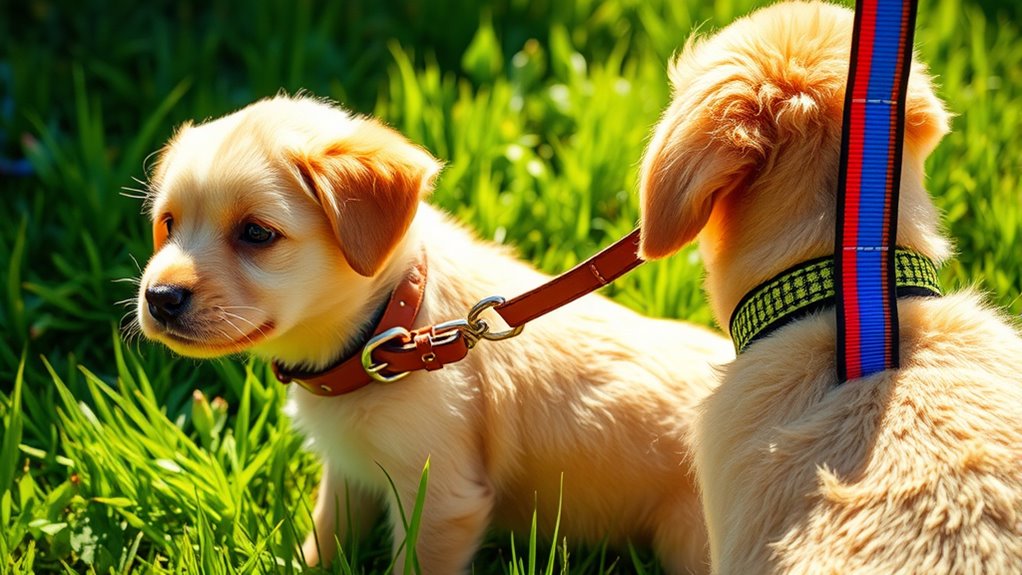

Choosing the right leash and collar is key to keeping your dog safe and comfortable during walks. Opt for a sturdy leash, about six feet long, made of durable material like nylon or leather, and guarantee your collar fits well without causing discomfort or slipping off. For stronger or escape-prone dogs, consider harnesses or specialized collars. Paying attention to fit, material, and safety helps create positive, stress-free walks—learn more to find the best options for your furry friend.
Key Takeaways
- Select a leash length (around 6 feet) and durable material like nylon or leather for control and comfort.
- Ensure the collar fits snugly without causing irritation or restricting breathing, and consider adjustable or harness options.
- Use appropriate training tools, such as head halters, to manage pulling and improve communication during walks.
- Regularly check collar fit, especially if your dog grows or gains weight, to prevent slipping or discomfort.
- Prioritize safety by avoiding harmful restraints and opting for gear that enhances control in busy or unfamiliar environments.
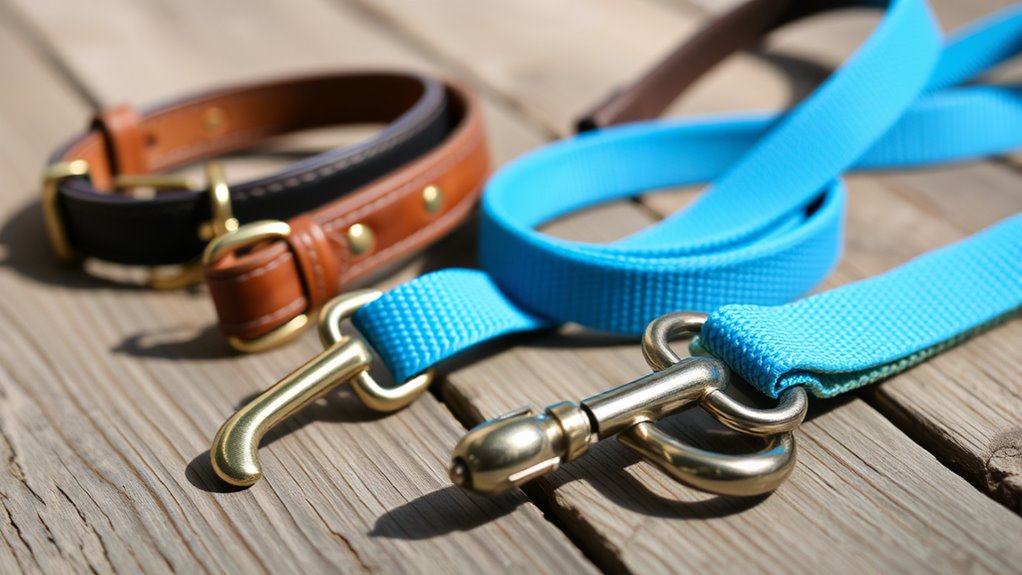
Selecting the right leash and collar is essential for your dog’s safety and comfort during walks. The choices you make directly influence how well your dog responds to training techniques and how safe they are in various environments. When selecting a leash, consider its length and material. A standard six-foot leash offers enough freedom for your dog to explore while maintaining control. Opt for durable materials like nylon or leather, which can withstand pulling and weather conditions without breaking. A leash that’s too thin or flimsy can snap, risking your dog’s safety, so prioritize quality.
Choose durable, comfortable leashes to ensure safety and control during walks.
The collar you choose also plays a crucial role in training and safety. A well-fitting collar should sit comfortably around your dog’s neck without causing irritation or restricting breathing. Adjustable collars help ensure a snug fit, which is vital for safety considerations. Too loose, and your dog could slip out, especially if they’re prone to pulling or trying to escape. Too tight, and it could cause discomfort or injury. For training purposes, some owners prefer martingale collars or harnesses, which provide better control and reduce the risk of choking if your dog pulls. These options are particularly useful for strong or escape artist dogs, enhancing safety considerations during walks or training sessions.
Training techniques are closely linked to the type of collar and leash you select. For example, a gentle leader or head halter can be effective tools for correcting pulling behavior when used correctly, but they require proper introduction and training to prevent discomfort. Using positive reinforcement during walks helps your dog associate good behavior with rewards, and the right collar can facilitate this process by allowing you to communicate clearly and consistently. Remember, the goal is to create a safe environment where your dog feels secure, and you maintain control without causing pain or fear. Consistent training techniques combined with appropriate leash and collar choices help reinforce commands and build trust.
Safety considerations should always be your top priority. Avoid restraints that could cause injury, such as choke chains or prong collars, unless advised by a professional trainer. Always check the fit of your dog’s collar regularly, especially as they grow or gain weight. Be mindful of your surroundings—busy streets, crowded parks, or unfamiliar areas—where proper restraint is critical for safety considerations. If your dog has a tendency to pull or lunge, consider a harness that distributes pressure evenly, preventing injury to the neck and ensuring safer walks. Additionally, choosing specialized training gear can further enhance control and safety during walks. By choosing the right leash and collar with safety and training in mind, you create a positive experience for both you and your dog, making walks enjoyable and stress-free.
6 foot nylon dog leash
As an affiliate, we earn on qualifying purchases.
As an affiliate, we earn on qualifying purchases.
Frequently Asked Questions
How Do I Clean and Maintain Different Types of Collars and Leashes?
To clean and maintain your collars and leashes, use appropriate cleaning techniques based on their material. For nylon or fabric, machine wash on gentle cycles or hand wash with mild soap, then air dry. Leather requires wiping with a damp cloth and conditioning to preserve material durability. Regularly inspect for wear or damage, ensuring they stay safe and in good condition. Proper cleaning extends their lifespan and keeps your pet comfortable.
Which Leash Length Is Best for Outdoor Training Sessions?
You’ll want a leash length of around 6 feet for outdoor training sessions—that’s just enough to give your pup space to explore without turning into a wild, runaway rocket! With leash length options, this middle ground offers perfect control and freedom. For outdoor training tips, stick with a sturdy, reliable leash that lets your dog sniff and wander a bit while keeping them safe. It’s the sweet spot!
Are There Safety Features to Consider in Collars and Leashes?
Yes, safety features are essential when selecting collars and leashes. Guarantee the collar fits snugly without being too tight, preventing escapes or discomfort. Look for secure leash attachment points that withstand pulling and sudden tugs. Additionally, choose collars with quick-release buckles for easy removal in emergencies. These features help keep your dog safe, comfortable, and secure during walks and training sessions.
How Do I Choose the Right Collar Material for Sensitive Skin?
Think of it like choosing a vintage leather jacket—comfort and sensitivity matter. For sensitive skin, opt for soft, hypoallergenic collar materials like nylon or leather. These materials reduce irritation and are gentle on your pet. Consider durability concerns too; lightweight options might lack strength, so find a balance. Prioritize comfort considerations to keep your furry friend happy and safe, avoiding rough or stiff materials that could cause discomfort.
Can I Use the Same Collar and Leash for Multiple Pets?
You can use the same collar and leash for multiple pets if they’re compatible, but it’s best to guarantee each pet’s safety and comfort. Consider multiple pet compatibility to prevent conflicts, and always match collars and leashes to fit each pet’s size and temperament. Using matching collars and leashes helps you manage them easily, but avoid sharing them long-term to prevent the spread of germs and ensure proper fit for each animal.
adjustable dog collar
As an affiliate, we earn on qualifying purchases.
As an affiliate, we earn on qualifying purchases.
Conclusion
Now that you’ve learned how to pick the perfect leash and collar, it’s like everything clicked into place—almost as if your dog was guiding you all along. When you choose wisely, those daily walks become even more enjoyable, and your bond grows stronger without you realizing it. So, trust your instincts, stay attentive to your pup’s needs, and watch how the right gear transforms your adventures together. After all, the best moments often come when you least expect them.
](https://m.media-amazon.com/images/I/41ji4lsxEIL._SL500_.jpg)
PHOEPET No Pull Dog Harness Medium Reflective Front Clip Vest with Handle,Adjustable 2 Metal Rings 3 Buckles,[Easy to Put on & Take Off](M, Orange)
[UPDATED VESION, EASY TO PUT ON & TAKE OFF] This dog harness has 3 buckles( One is on…
As an affiliate, we earn on qualifying purchases.
As an affiliate, we earn on qualifying purchases.
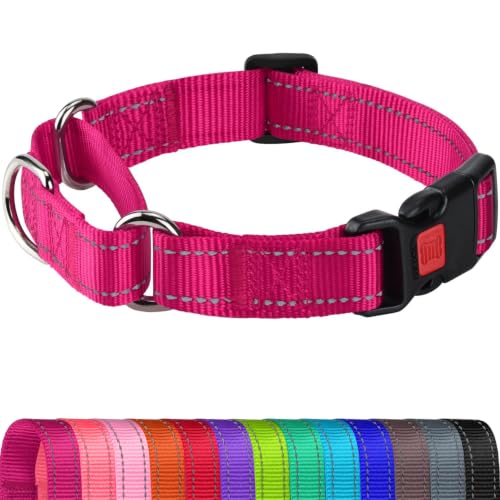
Joytale Martingale Collar for Dogs, Reflective Escape Proof Training Dog Collars with Safety Lock Buckle, No Slip Soft Nylon for Medium Pets, Hotpink, M
ESCAPE-PROOF SAFETY FOR HOUDINI DOGS: Tired of your dog backing out of their collar? Our nylon cinch mechanism…
As an affiliate, we earn on qualifying purchases.
As an affiliate, we earn on qualifying purchases.