
Humane bark tools like citronella collars and ultrasonic devices can help manage barking temporarily, but they don’t address the root causes like anxiety or alertness. Without a clear training plan, your dog might become confused or frustrated, which could lead to new behaviors or increased stress. Combining tools with consistent training teaches your dog better habits, builds trust, and results in long-term results. Keep going, and you’ll learn how to make these tools truly effective.

Get pet supplies delivered free with Prime
- Fast, free delivery on millions of items
- Prime Video, Amazon Music and more included
- Member-only deals all year
Key Takeaways
- Humane tools only temporarily manage barking without addressing underlying causes like anxiety or alertness.
- A training plan teaches dogs acceptable behaviors and helps them understand when barking is inappropriate.
- Relying solely on tools can cause confusion or increase stress if not paired with systematic training.
- Combining tools with training fosters trust, reinforces positive behavior, and promotes long-term behavioral change.
- Training provides clear boundaries, ensuring humane tools are used effectively and compassionately.

When it comes to managing your dog’s barking, humane tools and training plans offer effective and compassionate solutions. These tools, like citronella collars or ultrasonic devices, are designed to reduce excessive barking without causing harm or fear. However, simply using humane tools isn’t enough. To truly change your dog’s behavior, you need a well-structured training plan that complements these tools. Without a clear plan, your efforts might fall flat, and your dog could become confused or even develop new behavioral issues.
Understanding dog behavior is key here. Dogs bark for a variety of reasons—alertness, anxiety, excitement, boredom, or even attention-seeking. Humane tools can help curb the barking temporarily, but they don’t address the root cause. That’s where training techniques come into play. Proper training involves teaching your dog what behaviors are acceptable and providing alternatives for barking triggers. For example, if your dog barks at the mail carrier, you can train them to sit calmly instead of barking. This process requires consistency, patience, and positive reinforcement, reinforcing good behavior with treats, praise, or play.
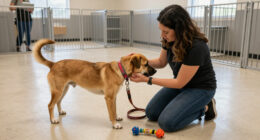
Training and positive reinforcement teach dogs acceptable behaviors and alternatives for barking triggers.
Humane tools are most effective when integrated into a comprehensive training plan. They serve as a gentle reminder or deterrent, but training techniques shape your dog’s understanding of what’s expected. Techniques like clicker training, desensitization, and teaching commands such as “quiet” empower you to manage barking more proactively. This approach not only reduces noise but also fosters trust and cooperation. The goal is to help your dog understand that barking isn’t necessary in every situation, and that calm, controlled responses are rewarded.
Moreover, relying solely on humane tools can sometimes lead to frustration if your training plan isn’t aligned or if your dog doesn’t understand the purpose of the tool. Dogs need guidance and clear boundaries, which are established through consistent training. Without this, your dog might become confused or develop other unwanted behaviors, like increased anxiety or aggression. A structured plan ensures you’re not just reacting to barking episodes but addressing the behavior systematically. Incorporating dog behavior insights into your training enhances your ability to tailor your approach effectively. Additionally, understanding dog communication signals can help you interpret your dog’s needs more accurately and respond appropriately.
Implementing a consistent routine and understanding dog motivation can also significantly improve training outcomes. Recognizing the importance of positive reinforcement helps reinforce desired behaviors and makes training sessions more effective and enjoyable for your dog. In essence, humane bark tools and training plans work best together. Tools help manage barking in the moment, but training techniques teach your dog what to do instead. When you combine both, you’re creating a positive, effective, and compassionate approach to controlling excessive barking. Understanding dog behavior is crucial for tailoring your training efforts effectively. This synergy not only improves your dog’s behavior but also strengthens your bond, making training a rewarding experience rather than a frustrating chore.
As an affiliate, we earn on qualifying purchases.
Frequently Asked Questions
How Long Does It Take to See Results Using Humane Bark Tools?
You might see results from humane bark tools within a few days, but it varies based on your dog’s behavior consistency and temperament. Some dogs respond quickly, while others need more patience and practice. Remember, patience is key, and sticking to a consistent training routine helps reinforce good behavior. Over time, you should notice a decrease in excessive barking, but long-term success depends on your ongoing commitment and understanding your dog’s needs.
Can Humane Bark Tools Be Used on All Dog Breeds?
About 70% of dog owners wonder if humane bark tools work on all breeds. The truth is, these tools can be used on most breeds, but breed-specific behavior and size matter. Customizing the tool guarantees it’s effective and humane. While some small breeds might need gentler options, larger or more vocal breeds benefit from tailored settings. Always choose a tool suited to your dog’s breed and personality for the best results.
Are There Any Risks Associated With Using Humane Bark Tools?
Yes, there are risks associated with using humane bark tools, including potential discomfort or stress for your dog. While they’re designed as alternative methods, improper use can cause harm or fear. It’s vital to take into account ethical considerations and make sure you use these tools responsibly. Always follow manufacturer instructions, monitor your dog closely, and combine them with positive training techniques to promote safe, humane behavior management without unnecessary risks.
How Often Should Training Sessions With Humane Tools Be Conducted?
You should conduct training sessions with humane tools regularly—ideally, daily or several times a week—to guarantee training consistency. Consistent practice helps your dog understand expectations, reinforces positive behavior, and maximizes tool effectiveness. Skipping sessions or infrequent training can lead to confusion or setbacks. By maintaining a steady schedule, you build a reliable routine that promotes better communication and meaningful results for your dog’s training journey.
What Signs Indicate a Dog Is Ready for Advanced Training?
You’ll notice your dog’s readiness for advanced training when they reliably respond to consistent cues and show enthusiasm for learning new commands. Signs include improved focus, decreased distractions, and zeal during training sessions. Use positive reinforcement to motivate them and reinforce behaviors. If your dog consistently follows commands and shows confidence, they’re ready to progress. Remember, patience and clear cues are key to successful advanced training.
dog ultrasonic bark control device
As an affiliate, we earn on qualifying purchases.
As an affiliate, we earn on qualifying purchases.
Conclusion
So, while humane bark tools are a game-changer, they’re not magic. Without a solid training plan, even the gentlest tools can fall short. Are you ready to realize their full potential? The next step could transform your approach and your dog’s behavior—if you dare to take it. Keep learning, stay patient, and watch how your bond deepens. Because sometimes, the real magic happens just beyond what you thought was possible.
citronella bark collar with training plan
As an affiliate, we earn on qualifying purchases.
As an affiliate, we earn on qualifying purchases.
As an affiliate, we earn on qualifying purchases.
Halloween Picks
halloween
As an affiliate, we earn on qualifying purchases.