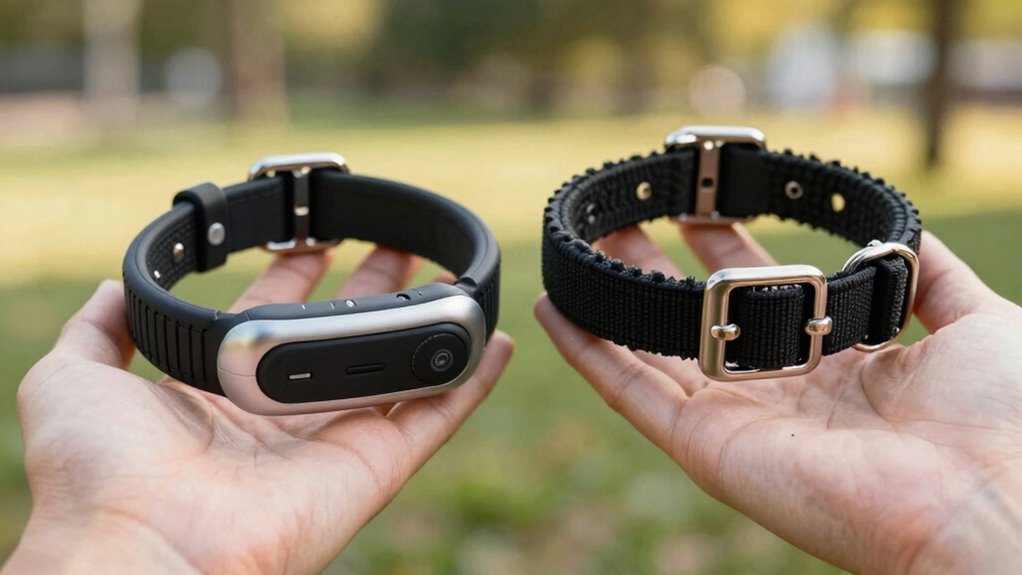

The debate over vibration collars centers on their effectiveness and ethical use. Many owners find them helpful in providing gentle, consistent cues that improve training, especially in distracting environments. However, others worry about causing stress or anxiety if misused or seen as punishment. If you want to understand how to use vibration collars responsibly and ethically, there’s more to take into account to guarantee your dog’s well-being and build trust.

Get pet supplies delivered free with Prime
- Fast, free delivery on millions of items
- Prime Video, Amazon Music and more included
- Member-only deals all year
Key Takeaways
- The debate centers on whether vibration collars are humane training tools or potentially stressful corrections.
- Opinions vary based on individual ethical views about animal welfare and the collar’s proper, responsible use.
- Effectiveness depends on integrating vibration collars into a positive, balanced training approach.
- Concerns exist that misuse may cause anxiety, stress, or harm to a dog’s emotional well-being.
- Responsible use involves understanding the dog’s temperament, monitoring reactions, and prioritizing humane methods.
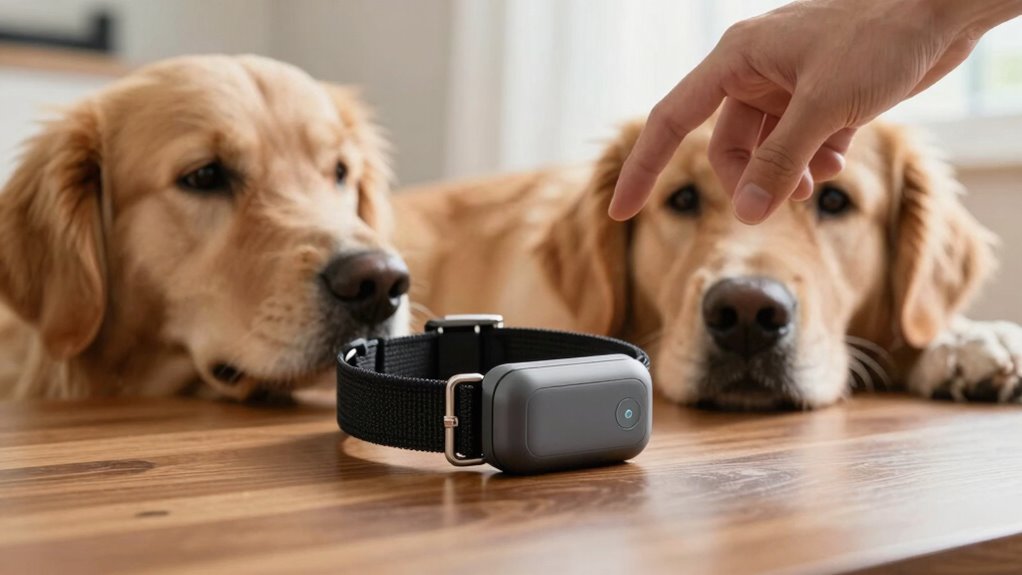
Have you ever wondered if a vibration collar is an effective tool for training your dog? Many dog owners are faced with this question, especially as training tools evolve and debates around their use intensify. When considering a vibration collar, it’s natural to ask whether it genuinely improves training effectiveness or if it’s just a quick fix that might cause more harm than good. The core idea behind these devices is to provide a gentle, non-intrusive signal to alert your dog, helping them associate certain behaviors with a cue. If used correctly, a vibration collar can enhance training by offering consistent feedback, especially in distracting environments or for dogs that are hard to train with voice commands alone. However, its success depends heavily on how it’s integrated into a broader training plan. It’s important to remember that no tool can replace patience, consistency, and positive reinforcement, but a vibration collar can serve as an extra aid.
Additionally, understanding dog behavior and training techniques can help owners utilize correction tools more ethically and effectively. That said, ethical considerations are at the heart of the debate surrounding vibration collars. Some dog owners are concerned that relying on any form of correction, even a mild vibration, might compromise a dog’s emotional well-being or lead to misunderstandings about commands. Critics argue that using these devices could potentially cause stress or anxiety if misused, or if the dog perceives the vibrations as punishment rather than guidance. It’s essential, then, to evaluate whether the collar is used humanely and responsibly. Proper training involves understanding your dog’s individual temperament and avoiding over-reliance on correction tools. Training methods that focus on positive reinforcement can help ensure you’re applying techniques ethically and effectively. Recognizing positive reinforcement principles can help ensure you’re applying training techniques ethically and effectively.
Furthermore, being aware of animal welfare considerations can guide you in making ethical choices about training tools and methods. Using a variety of training tools appropriately, including vibration collars, can contribute to a more balanced approach that prioritizes your dog’s emotional well-being. If you’re considering a vibration collar, you need to ask yourself whether its use aligns with your ethical stance on animal treatment and whether it complements your training philosophy.
Ultimately, the decision comes down to your approach and your dog’s needs. A vibration collar can be effective if used thoughtfully, with an emphasis on humane training methods. It’s imperative to educate yourself about how to use the device correctly and to monitor your dog’s reactions carefully. If your goal is to build a strong, trusting relationship with your dog, then you should weigh the potential benefits against the ethical considerations. Remember, no training tool should cause unnecessary stress or fear. When applied responsibly, a vibration collar can be a helpful addition to your training arsenal, but it’s not a substitute for understanding your dog’s individual needs and maintaining compassionate, positive training practices.
As an affiliate, we earn on qualifying purchases.
Frequently Asked Questions
Are Vibration Collars Safe for Puppies?
Vibration collars can be safe for puppies if used properly, but you should consider your puppy’s sensitivity and anxiety levels first. If your puppy experiences puppy anxiety or collar sensitivity, it’s best to avoid vibration collars or consult a professional trainer. Always start with the lowest setting, monitor your puppy’s response, and prioritize positive reinforcement. Proper use reduces risks and guarantees the collar helps rather than harms your puppy’s well-being.
How Long Does the Battery Last on Vibration Collars?
On average, vibration collar battery life lasts about 1 to 2 weeks, depending on usage. For example, if you use the collar daily for training, expect to recharge or replace the batteries weekly. Proper collar maintenance, like cleaning contacts and turning off when not in use, can prolong battery life. Keep an eye on battery indicators and replace batteries promptly to make certain your dog’s collar works effectively.
Can Vibration Collars Replace Traditional Training Methods?
Vibration collars can supplement traditional training but shouldn’t fully replace behavior modification methods. They can be effective for cueing and interrupting undesirable behaviors, but collar effectiveness depends on consistent, proper use. You need to combine the collar with positive reinforcement techniques to achieve lasting results. Relying solely on a vibration collar might not address underlying issues, so incorporating training sessions with a professional ensures more thorough and humane behavior modification.
Do Vibration Collars Work on All Dog Breeds?
Vibration collars don’t work equally well on all dog breeds because breed compatibility varies. Some breeds respond better due to their temperament and sensitivity, while others might ignore or resist the collar. You should consider collar customization options to tailor the device to your dog’s specific needs. Testing the collar on your breed and adjusting settings can improve effectiveness, but always monitor your dog’s comfort and response throughout training.
Are There Legal Restrictions on Using Vibration Collars?
Like a knight checking his armor, you should verify legal restrictions on vibration collars before use. Laws vary by region, so you must make certain legal compliance and follow safety regulations in your area. Some places prohibit certain training devices altogether, while others have specific guidelines. Always research local rules to avoid fines or penalties, and prioritize your dog’s well-being. Staying informed helps you train responsibly and keeps your furry companion safe.
dog training collar with gentle vibration
As an affiliate, we earn on qualifying purchases.
As an affiliate, we earn on qualifying purchases.
Conclusion
Ultimately, whether you choose a vibration collar comes down to what’s best for your dog and your training style. Some swear by them, while others prefer traditional methods. Remember, “A stitch in time saves nine”—address issues early with patience and understanding. Trust your instincts, do your research, and prioritize your dog’s well-being. After all, the goal is harmony, not just obedience, making your bond stronger with kindness and consistency.
positive reinforcement dog training tools
As an affiliate, we earn on qualifying purchases.
As an affiliate, we earn on qualifying purchases.
As an affiliate, we earn on qualifying purchases.
Fall Picks
fall essentials
As an affiliate, we earn on qualifying purchases.