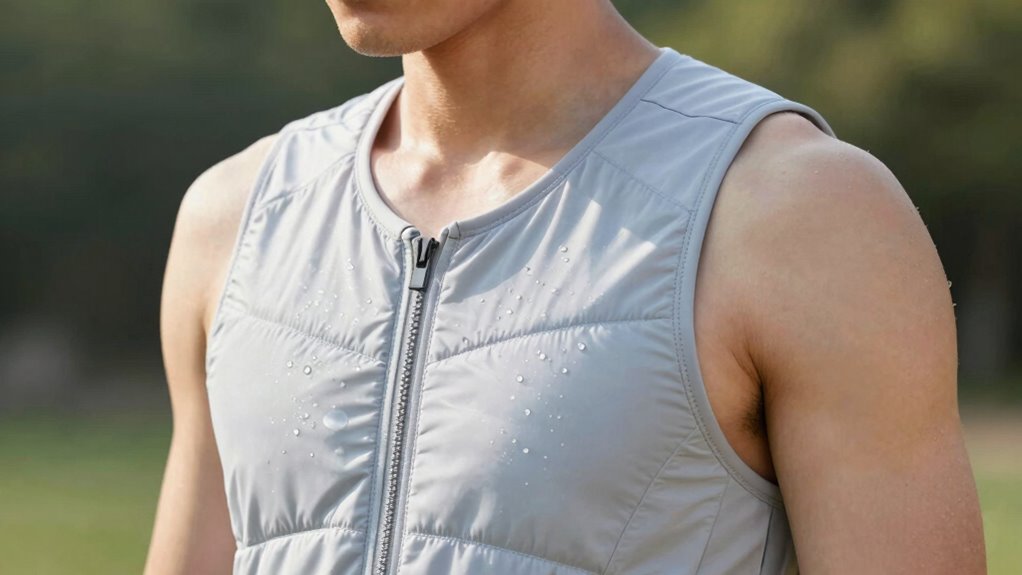

To get the most from a cooling vest, make certain it fits snugly but comfortably, allowing your dog to move freely without discomfort. Use fabrics like mesh or moisture-wicking materials and follow manufacturer instructions for preparation. Always monitor your dog for signs of distress and never leave the vest on unattended. Combining proper use with other safety measures like plenty of water and shade ensures your pet stays cool and safe. Keep going to discover how to optimize these tips even further.

Get pet supplies delivered free with Prime
- Fast, free delivery on millions of items
- Prime Video, Amazon Music and more included
- Member-only deals all year
Key Takeaways
- Ensure the vest fits snugly without restricting movement or causing discomfort for optimal cooling effect.
- Follow manufacturer instructions for preparation, such as soaking or refrigerating, to maximize cooling benefits.
- Monitor your dog for signs of distress or overheating and remove the vest if needed.
- Use the vest as a supplement to water, shade, and activity management, not a replacement.
- Supervise your dog during use to prevent chewing or removal that could cause injury.
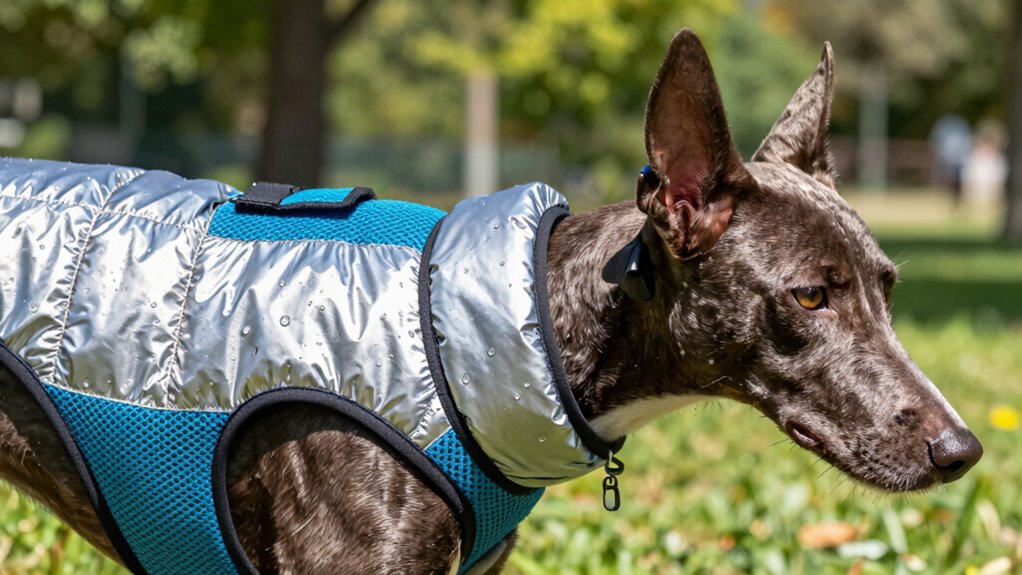
Cooling vests can be highly effective in keeping your pet comfortable during hot weather, but only when you use them correctly. As a responsible owner, your goal is to guarantee your dog stays safe and cool, especially during outdoor activities or scorching days. To do that, understanding how to properly fit and use the vest is essential. Proper application helps prevent overheating and reduces the risk of heatstroke, which can be dangerous for your furry friend. Always check that the vest fits snugly but isn’t tight, allowing your dog to move comfortably without restricting circulation. An ill-fitting vest can cause discomfort or even chafe the skin, diminishing its cooling effectiveness.
Ensure your dog’s cooling vest fits snugly but comfortably for maximum safety and effectiveness.
Another crucial factor for ideal cooling is paying attention to the vest material. Many cooling vests are made from specialized fabrics designed to absorb and retain cold, such as mesh, breathable polyester, or moisture-wicking materials. These fabrics are chosen for their ability to facilitate airflow and evaporation, which helps to lower your dog’s body temperature. Before using the vest, you should thoroughly read the manufacturer’s instructions on how to properly prepare it—whether that’s soaking it in cold water or refrigerating it beforehand. Using the right vest material ensures that your dog receives the maximum cooling benefit while maintaining comfort throughout their outdoor adventures. Additionally, understanding cooling vest technology can help you select the most effective product for your pet’s needs.
Dog safety should always be your top priority. Keep an eye on your pet’s behavior while they’re wearing the vest. If you notice signs of distress, excessive panting, or if your dog seems overly uncomfortable, remove the vest immediately. Remember, a cooling vest is a supplement to, not a replacement for, other safety measures such as providing plenty of fresh water, shade, and avoiding strenuous activity during the hottest parts of the day. Never leave your dog unattended while they’re wearing a cooling vest, especially if you’re unsure how they’ll react. Some dogs may try to chew or remove the vest, which could pose choking risks or cause injury. Being aware of heat exhaustion symptoms is also vital for ensuring your pet’s safety during hot weather. Incorporating biodiversity and conservation practices, such as choosing eco-friendly cooling products, can contribute to a more sustainable environment for all living creatures. Additionally, selecting products made from eco-friendly materials can help reduce environmental impact while keeping your pet cool.
As an affiliate, we earn on qualifying purchases.
Frequently Asked Questions
How Long Does a Cooling Vest Typically Stay Effective?
A cooling vest typically stays effective for about 1 to 4 hours, depending on the material longevity and temperature regulation features. You can extend its cooling effects by properly recharging or re-wetting the vest as needed. Keep in mind that factors like outside temperature and activity level influence how long it remains effective. To maximize comfort, monitor your pet and refresh the vest when you notice it warming up.
Can Cooling Vests Be Used for All Dog Breeds?
Imagine you’re in a medieval fair—cooling vests are versatile, but not all breeds fit every design. Breed-specific cooling options exist, so it’s essential to choose the right vest size and style for your dog. Large breeds need a sturdier fit, while smaller ones require a snug but comfortable size. Always consider breed-specific cooling needs, and make sure the vest isn’t too tight or loose for maximum comfort and effectiveness.
Are Cooling Vests Safe for Puppies or Senior Dogs?
Cooling vests can be safe for puppies and senior dogs if you choose the right size and type. For puppy safety, guarantee the vest fits snugly without restricting movement or causing discomfort. For senior dog health, look for vests with gentle cooling materials and avoid overcooling. Always monitor your dog closely when using a cooling vest, and consult your vet if you’re unsure about its safety for your specific pet.
How Should I Clean and Maintain My Cooling Vest?
To clean your cooling vest, follow the manufacturer’s fabric maintenance instructions, usually hand washing with mild soap and air drying. Avoid machine drying or harsh chemicals that can damage the fabric. Store it in a cool, dry place away from direct sunlight to maintain its effectiveness. Regularly inspect for wear and tear, and rinse after each use to keep it fresh and ready for your pet’s comfort.
What Signs Indicate My Dog Is Overheating Despite Using a Cooling Vest?
You might think the cooling vest’s doing its job, but if your dog shows signs of dog heat exhaustion—like excessive panting, weakness, or drooling—it’s overheating despite the vest. Irony strikes: a vest can’t work miracles if it’s not enough, or if your pup’s core temperature rises. Watch for these signs to gauge cooling vest effectiveness, and remember, sometimes extra cooling measures are necessary to keep your dog safe.
As an affiliate, we earn on qualifying purchases.
Conclusion
You might wonder if cooling vests truly make a difference, and the truth is they do—when you use them correctly. Proper application and timing can markedly improve your comfort and safety, especially in hot weather. Think of it like a secret weapon against heat exhaustion; when used right, cooling vests can be your best ally. So, don’t underestimate their power—use them properly, and you’ll stay cooler, safer, and more comfortable all day long.
As an affiliate, we earn on qualifying purchases.
moisture-wicking dog cooling vest
As an affiliate, we earn on qualifying purchases.
As an affiliate, we earn on qualifying purchases.
Halloween Picks
halloween
As an affiliate, we earn on qualifying purchases.