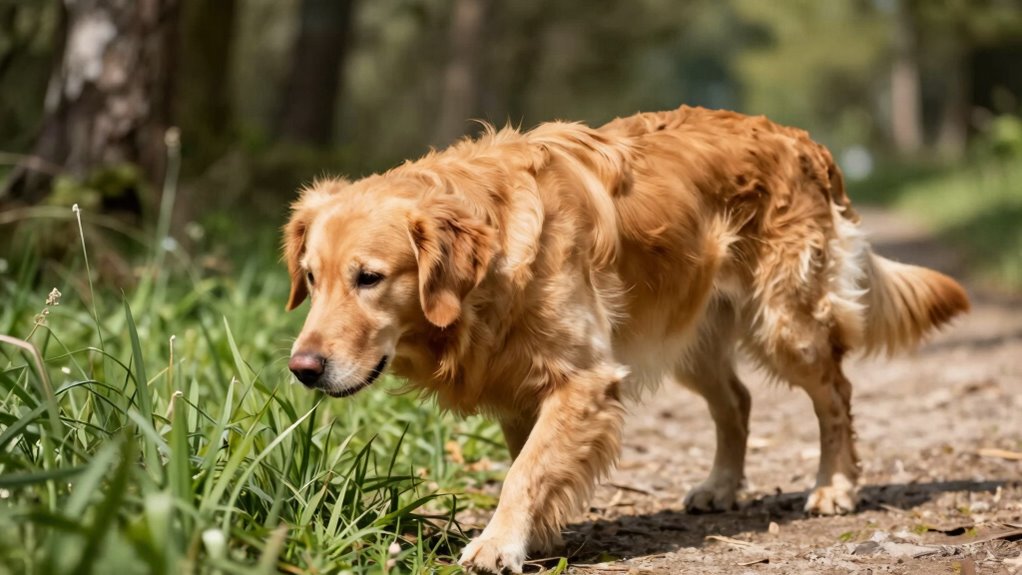

Dogs may stop during walks due to physical discomfort, such as pain or health issues, or emotional reasons like anxiety from unfamiliar noises or environments. They might also be testing boundaries or seeking attention through stopping. Sometimes, past negative experiences or lack of proper training cause hesitation. Paying attention to their body language helps identify the cause. Keep in mind, understanding these signs can help address the root of your dog’s hesitation as you learn more.

Get pet supplies delivered free — and shop member deals
- Fast, free delivery on millions of items
- Access to Prime Big Deal Days deals on October 6–7
- Prime Video, Amazon Music and more included
Key Takeaways
- Dogs may stop due to fear or anxiety triggered by unfamiliar stimuli or loud noises during walks.
- Physical discomfort, pain, or health issues can cause dogs to refuse to continue walking.
- Learned behaviors or seeking attention may lead dogs to halt intentionally during walks.
- Sudden stops often signal discomfort, boundary testing, or sensory overload.
- Lack of gradual exposure and positive reinforcement can increase hesitation and resistance.
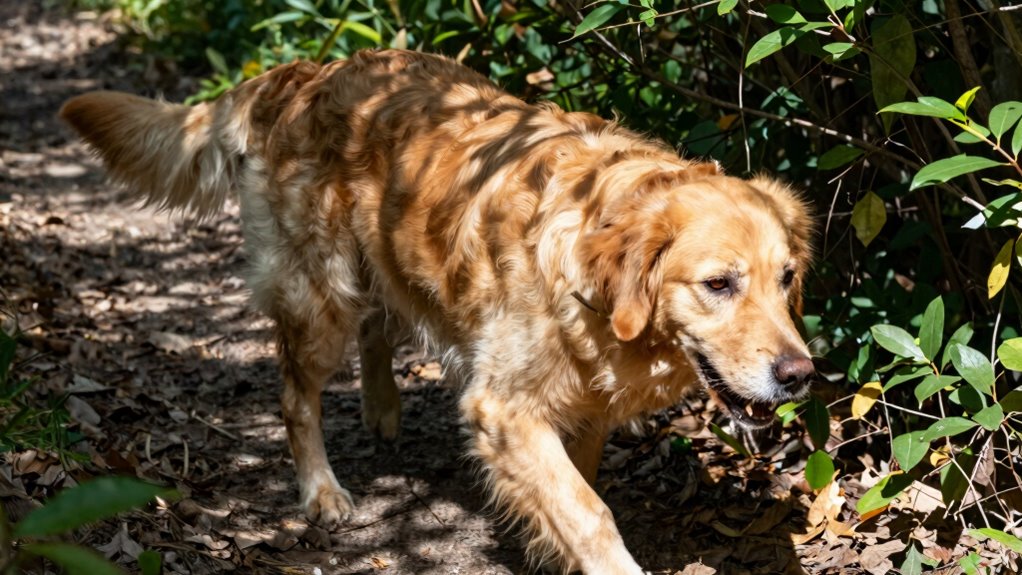
Have you ever noticed your dog suddenly stopping during a walk? It can be frustrating and confusing, especially when you’re trying to get somewhere or simply enjoy the outing. Often, this behavior is rooted in issues with leash behavior or incomplete dog training. When your dog halts unexpectedly, it’s usually a sign that something isn’t quite right from their perspective, and understanding why can help you address the problem effectively.
One common reason dogs stop mid-walk is that they’re feeling overwhelmed or anxious. New environments, loud noises, or unfamiliar smells can make your dog hesitant. If your dog is not well-trained to walk calmly on a leash, they might pull back or freeze when they encounter something unsettling. This is why proper dog training is essential—it teaches your dog to stay focused and confident during walks. If your dog has not been exposed to different stimuli gradually, they may become easily spooked, leading to sudden stops. Practicing leash behavior in various settings can help your dog develop the resilience and trust needed to keep moving comfortably. Additionally, exposure to different stimuli gradually can increase their confidence and reduce anxiety during walks.
Another reason your dog might refuse to move is that they’re uncomfortable or in pain. Older dogs or those with health issues may resist walking because it hurts. Pay close attention to their body language—if they’re limping, whining, or showing signs of discomfort, it’s best to consult your vet. Ignoring these signals can worsen underlying health problems. Ensuring your dog is physically fit and comfortable is an essential part of good dog training and leash management. Training your dog to walk at a steady pace also involves recognizing when they need a break or medical attention. Additionally, understanding indoor air quality and the environment can impact a dog’s comfort and willingness to walk comfortably, as poor air quality can affect their respiratory health. Being mindful of your dog’s behavioral signals can also help you address their concerns more effectively and prevent unnecessary stops. Recognizing training techniques that reinforce calm walking can further enhance their confidence and reduce hesitation. Remember, a healthy and comfortable dog is more likely to walk confidently and happily.
Sometimes, dogs stop because they’re simply stubborn or testing boundaries. They might have learned that stopping works as a way to control the walk or get your attention. In these cases, consistent training and positive reinforcement are key. Reinforce good leash behavior with treats and praise when your dog walks calmly without stopping. Avoid harsh corrections, as they can increase anxiety or resistance, making leash behavior worse. Recognizing dog body language and other subtle cues can also help you address their concerns more effectively and prevent unnecessary stops. Building a strong bond through positive interactions can also make your dog more willing to cooperate during walks.
Ultimately, when your dog suddenly stops during a walk, it’s a communication signal. They might be scared, uncomfortable, or simply testing limits. Building good dog training habits and addressing any physical discomfort will improve leash behavior and make walks more enjoyable for both of you. Patience and understanding go a long way—your dog needs your guidance to learn how to walk confidently and happily by your side.
dog harness for training and walking
As an affiliate, we earn on qualifying purchases.
As an affiliate, we earn on qualifying purchases.
Frequently Asked Questions
Can Weather Changes Cause Dogs to Stop During Walks?
Yes, weather changes can cause your dog to stop during walks. Sudden temperature drops or heat can increase their temperature sensitivity, making them uncomfortable. You might notice sudden fatigue or reluctance to move as your dog tries to regulate their body. Always pay attention to weather conditions, keep walks shorter in extreme heat or cold, and watch for signs of discomfort to keep your dog safe and happy during outdoor adventures.
Do Breed Differences Influence Walking Behavior?
Breed differences definitely influence your dog’s walking behavior. Some breeds, based on temperament, may be more hesitant or stubborn, while others are enthusiastic to explore. Size and stamina also play roles; smaller or less stamina-rich breeds might tire quickly or dislike long walks. You should tailor your walks to your dog’s breed traits, ensuring they stay comfortable and engaged. Recognizing these differences helps you create enjoyable, safe walks for your furry friend.
How Can I Tell if My Dog Is Injured?
Irony strikes—you might think your dog’s just stubborn, but signs of injury are often subtle. Watch for limping, whimpering, or reluctance to move. If your dog suddenly stops, favors a leg, or shows discomfort when touched, these are clear injury signs. Keep an eye on their behavior, and if anything seems off, consult your vet promptly. Recognizing injury signs helps keep your furry friend safe and healthy.
Could My Dog Be Experiencing Anxiety or Fear?
Yes, your dog could be experiencing anxiety or fear, which might cause them to stop during walks. Dog anxiety often triggers fear responses, making your pet hesitant or resistant to move forward. Pay attention to signs like trembling, lip licking, or avoiding certain areas. Recognizing these cues helps you address their anxiety, perhaps through calming techniques or consulting a professional. Understanding their emotional state can improve your walks and strengthen your bond.
When Should I Consult a Vet About Walking Issues?
You should consult a vet if your dog consistently refuses to walk, especially if it’s more than a few days or accompanied by signs like limping or distress. Studies show that 30% of behavioral issues stem from underlying health problems. Use training techniques and leash adjustments to help, but if these don’t improve your dog’s willingness, a vet visit is essential to rule out medical issues or anxiety.
As an affiliate, we earn on qualifying purchases.
Conclusion
Next time your furry friend suddenly halts on your walk, remember they’re not just being stubborn—they’re listening to their body’s quiet signals. Sometimes, a pause is their way of saying, “I need a moment,” like a lighthouse guiding you through fog. Patience and understanding build trust, turning a frustrating pause into a shared moment of care. After all, a walk isn’t just about the destination; it’s about the journey you take together.
As an affiliate, we earn on qualifying purchases.
As an affiliate, we earn on qualifying purchases.
Fall Picks
fall essentials
As an affiliate, we earn on qualifying purchases.