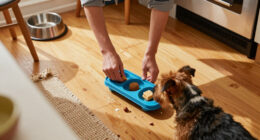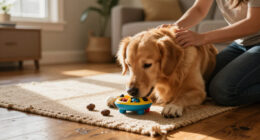
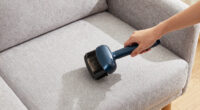
To make home dog baths go smoother, start by thoroughly brushing your dog before getting them wet. This step removes loose fur, dirt, and tangles, which helps reduce hair in the bathwater and makes shampooing more effective. It also loosens stubborn debris, preventing discomfort and matting. Incorporating this simple prep can save time and reduce stress for your dog. Keep going to discover more tips that will make bath time easier and more enjoyable for both of you.

Get pet supplies delivered free — and shop member deals
- Fast, free delivery on millions of items
- Access to Prime Big Deal Days deals on October 6–7
- Prime Video, Amazon Music and more included
Key Takeaways
- Brush your dog thoroughly before bathing to remove loose fur, dirt, and tangles for a smoother bath.
- Prepare all grooming supplies and environment in advance to minimize disruptions during the bath.
- Use lukewarm water and a calm setting to keep your dog relaxed throughout the process.
- Focus on gentle, even application of shampoo and thorough rinsing to avoid skin irritation.
- Dry your dog completely with towels or a low-heat dryer, paying special attention to thick coats.
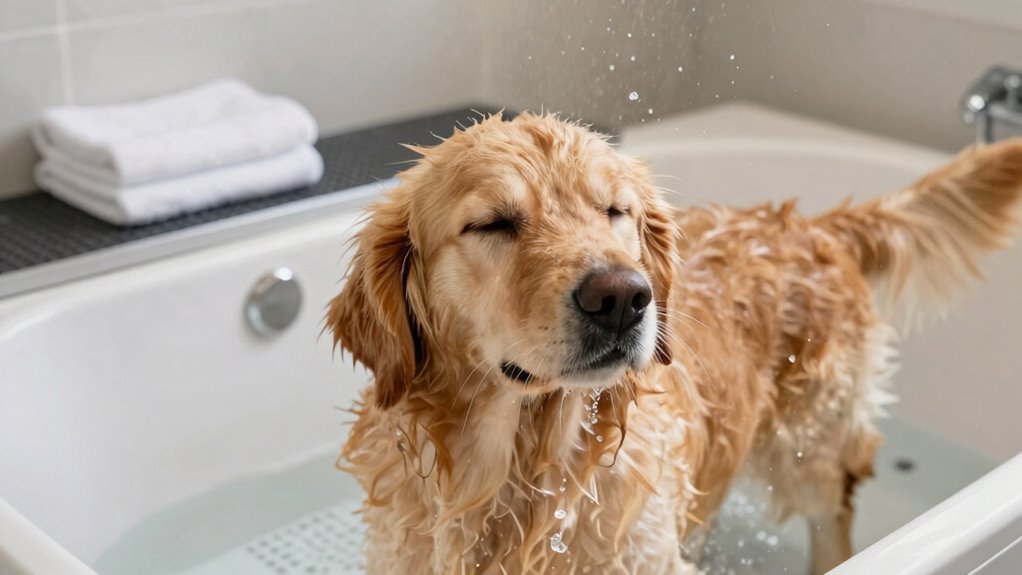
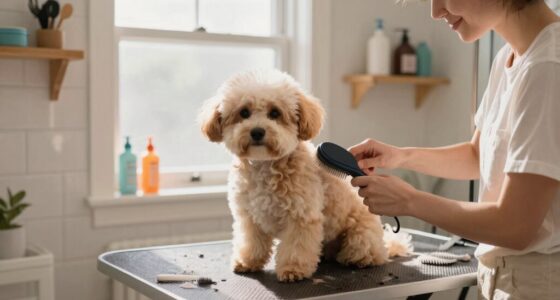
Giving your dog a bath at home can be a simple and rewarding way to keep them clean and healthy. When you approach dog grooming with a little prep work, the whole process becomes easier for both of you. One key change that can substantially improve your home dog baths is to start by giving your dog a thorough brush before getting them wet. This step might seem simple, but it’s often overlooked. Brushing removes loose hair, dirt, and tangles, which means less hair in the bathwater and a cleaner coat overall. Plus, it helps loosen dirt and debris that can be stubborn once wet, making the cleaning process more effective.
Brushing your dog before a bath removes loose hair and dirt, making cleaning more effective and easier.
Incorporating this brushing step into your bathing routine is a smart bathing tip that saves time and reduces stress. When your dog’s coat is free of mats and loose fur, water and shampoo penetrate more easily, leading to a more thorough clean. It also minimizes the chances of matting and discomfort during the bath. Use a gentle brush suited to your dog’s coat type—slicker brushes work well for short-haired breeds, while wide-tooth combs are good for long-haired dogs. Always brush in the direction of hair growth to avoid hurting your pup and to make the process smoother. Additionally, knowing about proper wood stove safety and maintenance can help create a calm environment, making bath time less stressful for your dog.
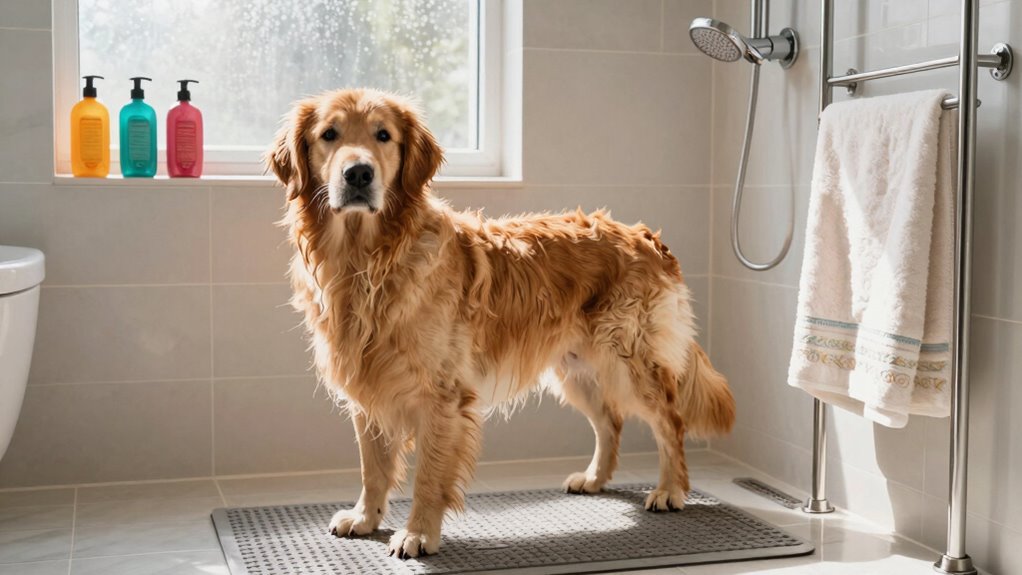
Another important bathing tip is to prepare all your supplies beforehand. Have the shampoo, towels, brush, and any other grooming tools within arm’s reach. This way, you won’t have to leave your dog unattended or scramble for supplies mid-bath. Proper grooming tools are essential for an efficient and comfortable bath. Also, choosing a suitable location—like a tub, sink, or a designated bathing area—can make the process more manageable. Using appropriate water temperature, such as lukewarm water, prevents discomfort or stress for your dog. Ensuring your dog’s environment is calm and familiar during bath time can further reduce anxiety for your pet. Remember, a calm environment can also be achieved by incorporating calming techniques or soothing sounds, which can make the experience more pleasant for your dog.
When it’s time to wash, apply shampoo gently and work it into a lather, paying special attention to the neck, chest, and paws. Rinse thoroughly to remove all soap residue—leftover shampoo can cause itching or skin irritation. Once you’re done, dry your dog completely with a towel or a blow dryer on a low setting, making sure no dampness remains, especially in thicker coats. Proper drying techniques help prevent skin issues and keep your dog comfortable after bath time.
dog grooming brush for short-haired breeds
As an affiliate, we earn on qualifying purchases.
As an affiliate, we earn on qualifying purchases.
Frequently Asked Questions
How Often Should I Bathe My Dog?
You should bathe your dog every 4 to 6 weeks, but it depends on their breed, coat type, and activity level. For ideal dog grooming tips, adjust bathing frequency to keep their coat clean without stripping natural oils. If your dog gets dirty often or has skin issues, more frequent baths might be necessary. Always use gentle dog shampoos and consult your vet for personalized advice on bathing frequency.
What Type of Shampoo Is Best for My Dog?
You should choose a gentle, pH-balanced shampoo specifically designed for dog grooming, like a puppy shampoo if your dog is young. Puppy shampoos are milder and suited for sensitive skin. Always avoid human shampoos, as they can irritate your dog’s skin. Look for natural ingredients and avoid harsh chemicals. This guarantees a safe, comfortable bath and keeps your dog’s coat healthy and shiny.
How Do I Prevent My Dog From Slipping?
To prevent your dog from slipping, think of the tub as a dance floor where safety takes the lead. Place non-slip mats on the bottom, providing grip like a dance partner’s hand. Use towel grips around the edges for added stability, ensuring your pup feels secure. Keep the water shallow and steady, and speak soothingly to ease anxiety. These steps turn bath time into a safe, confident dance for your dog.
Can I Use Human Shampoo on My Dog?
You shouldn’t use human shampoo on your dog, as it can disrupt their skin’s pH balance and cause irritation. For proper dog grooming and maintaining puppy hygiene, always choose a shampoo specifically formulated for dogs. These products are gentle and safe, helping keep your dog clean and healthy without irritation. Using the right shampoo makes bath time easier and guarantees your pet’s skin stays balanced and comfortable.
What Should I Do if My Dog Gets Anxious?
If your dog gets anxious during baths, try using dog calming techniques like gentle voice, slow movements, and treats to create a soothing environment. Incorporate anxiety reduction tips such as playing calming music beforehand or giving a calming treat. Make sure the water is warm and keep bath time short. Consistency and patience help your dog feel secure, gradually reducing their anxiety during baths.
As an affiliate, we earn on qualifying purchases.
Conclusion
By making this simple prep change, you’ll find your home dog baths become a much more pleasant experience for both of you. It’s like smoothing out the gentle ripples before a calm lake—small adjustments can bring about big, peaceful results. With just a little extra care beforehand, you’ll create a more comfortable and less stressful routine. Soon, bath time will feel less like a chore and more like a cherished moment of bonding with your furry friend.
As an affiliate, we earn on qualifying purchases.
dog drying towels and low-heat dryer
As an affiliate, we earn on qualifying purchases.
As an affiliate, we earn on qualifying purchases.
Fall Picks
fall essentials
As an affiliate, we earn on qualifying purchases.