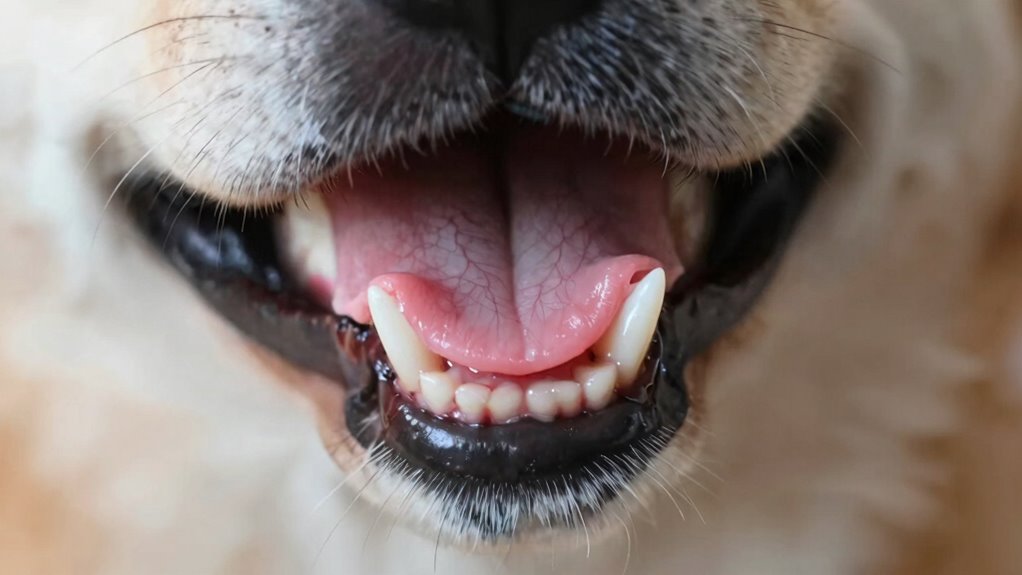

Your dog’s gums are essential because they support healthy teeth and help prevent infections that can cause pain or tooth loss. Healthy gums also protect against bacteria spreading to critical organs like the heart and kidneys, which can lead to serious health issues. Early signs of gum problems are easy to miss, so staying vigilant is key. If you keep exploring, you’ll discover simple ways to keep your dog’s gums in top shape and promote a healthier life.
Key Takeaways
- Healthy gums support overall dental stability and prevent tooth loss in dogs.
- Gum issues can silently lead to infections, pain, and bad breath if unnoticed.
- Bacterial spread from gums can impact vital organs like the heart and kidneys.
- Regular dental care helps detect problems early, avoiding costly treatments.
- Maintaining gum health enhances your dog’s quality of life and longevity.
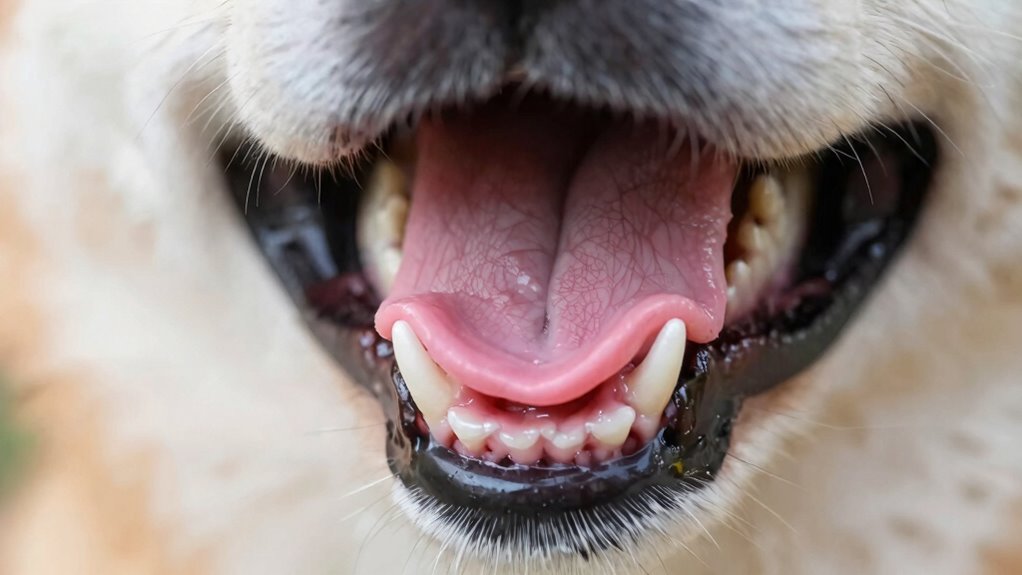
Your dog’s gums might seem like a small detail, but they play an essential role in your pet’s overall health. Healthy gums are fundamental for maintaining good dental hygiene, which directly impacts your dog’s quality of life. When gums are healthy, they support the teeth and help prevent infections that can cause pain, bad breath, and more serious health issues. Neglecting the condition of your dog’s gums can lead to gum disease, a common problem that often goes unnoticed until it worsens. Gum disease isn’t just about bad breath; it can cause tissue damage, tooth loss, and even spread bacteria to other parts of your dog’s body, including critical organs like the heart and kidneys.
You might think that brushing your dog’s teeth is enough, but paying attention to their gums is equally important. Regularly inspecting your dog’s gums helps you spot early signs of trouble, such as redness, swelling, bleeding, or receding tissue. These symptoms often indicate the beginning stages of gum disease, which can develop silently over time. The sooner you catch these signs, the easier it is to address the problem before it becomes severe. Good dental hygiene isn’t just about preventing bad breath; it’s about safeguarding your dog’s overall health. Proper oral care can extend their lifespan, improve their comfort, and prevent costly veterinary treatments down the line. Gum health is a key component of overall wellness for your dog.
If you notice your dog’s gums bleeding when they eat or if the gums appear inflamed or discolored, you should take action. Brushing their teeth daily with vet-approved toothpaste is a critical step, but you also need to make sure that their gums stay healthy. Regular veterinary checkups include professional cleanings that help remove plaque buildup, which is the leading cause of gum disease. When plaque hardens into tartar, it irritates the gums and accelerates tissue deterioration. That’s why ongoing dental hygiene is essential—not just for fresh breath, but for the integrity of your dog’s oral tissues. Additionally, understanding the importance of dog’s oral health can motivate pet owners to prioritize routine dental care. Maintaining healthy gums can also prevent the spread of bacteria that could lead to more serious infections, emphasizing the importance of preventive care in your pet’s health routine. Regular dental checkups and early intervention are supported by advanced dental technologies, which can help detect issues before they become severe.

ORAVET Dental Chews for Dogs, Oral Care and Hygiene Chews (Small Dogs, 10-24 lbs.) Blue Pouch, 30 Count
- Dental Health Support: Reduces plaque and tartar buildup
- Freshens Breath: Contains delmopinol to fight bad breath
- Veterinarian Approved: Recommended by vets for oral care
As an affiliate, we earn on qualifying purchases.
As an affiliate, we earn on qualifying purchases.
Frequently Asked Questions
How Often Should I Check My Dog’s Gum Health?
You should check your dog’s gum health at least once a week. Regular oral inspections help you spot signs of dental issues early, like redness, swelling, or bleeding. During these checks, focus on your dog’s gums and teeth to maintain good dental hygiene. Consistent inspections prevent plaque buildup and keep your dog comfortable. If you notice any abnormalities, consult your veterinarian promptly to guarantee ideal oral health.
Can Gum Disease Be Cured in Dogs?
Gum disease in dogs can often be cured if caught early, but it’s no small feat—it’s like battling an invincible foe! Regular dental hygiene and removing tartar buildup are essential to treatment success. Veterinarians can perform deep cleanings and prescribe antibiotics to fight infection. However, if untreated, it can cause irreversible damage. So, don’t delay—early intervention can save your pup’s smile and overall health!
What Signs Indicate a Gum Problem in Dogs?
You’ll notice signs of gum problems in your dog, like plaque buildup and tooth discoloration, which indicate underlying issues. Other symptoms include bad breath, swollen or bleeding gums, and difficulty eating. If you see any of these, it’s essential to consult your vet promptly. Early detection and treatment can prevent more serious dental problems and help keep your dog happy and healthy.
Are Certain Dog Breeds More Prone to Gum Issues?
Certain dog breeds are more prone to gum issues due to breed predispositions and genetic factors. Small breeds like Chihuahuas, Yorkies, and Pomeranians often face dental difficulties because their tiny teeth crowd in small mouths. Similarly, brachycephalic breeds like Bulldogs and Pugs tend to develop more gum problems due to their shortened skulls. Being aware of these breed predispositions helps you stay vigilant and prioritize your dog’s dental health.
How Does Gum Health Affect My Dog’s Overall Well-Being?
Gum health directly affects your dog’s overall well-being by influencing dental hygiene and nutritional impact. When gums are healthy, your dog can chew comfortably, maintain proper nutrition, and avoid infections. Poor gum health leads to pain, bad breath, and potential systemic issues like heart disease. Regular dental care keeps gums strong, ensuring your dog stays happy, healthy, and well-nourished, ultimately improving their quality of life.
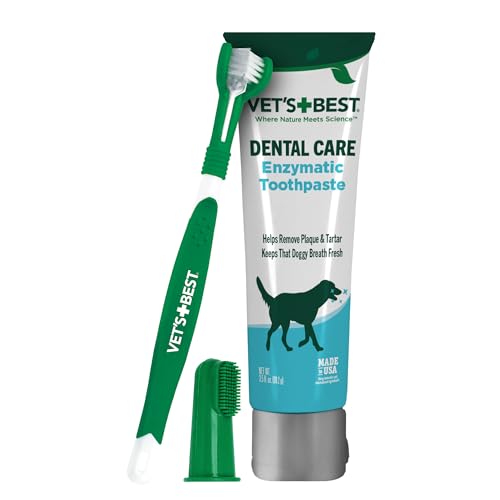
Vet's Best Dog Toothpaste & Toothbrush Dental Care Kit, With Brush 3.5 oz
- Dog Toothbrush and Toothpaste Kit: Includes toothbrush and toothpaste for dogs
- Healthy Teeth and Gums: Promotes oral health with natural ingredients
- Freshens Dog Breath: Reduces bad breath effectively
As an affiliate, we earn on qualifying purchases.
As an affiliate, we earn on qualifying purchases.
Conclusion
Think of your dog’s gums as the gateway to their health fortress. If you ignore the gates—neglecting their gums—you leave the entire castle vulnerable to invaders like infections and diseases. Regular checks and care act as vigilant guards, keeping the gates sturdy and secure. By protecting your dog’s gums, you’re fundamentally safeguarding their entire kingdom, ensuring they stay strong, happy, and healthy for years to come. Your attention truly makes all the difference.
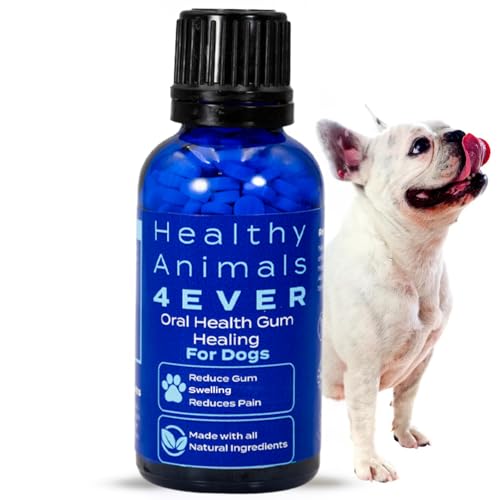
HA4E – Dog Oral Health Supplement – Relieves Inflammation, Soothes Pain & Fights Gum Disease – Natural, Non-GMO, Organic, Gluten-Free & Chemical-Free – 300 Tablets
- Supports Dog Oral Health: All-natural blend for gum support
- Reduces Inflammation and Pain: Helps fight gum disease symptoms
- Easy to Administer: Dissolvable pellets or crush in food
As an affiliate, we earn on qualifying purchases.
As an affiliate, we earn on qualifying purchases.

SIRGAWAIN Pet Ultrasonic Dental Cleaner — Plaque, Tartar & Stains Remover, 4 Tips, 3 Modes, LED, Contact-Activated & Smart Touch Protection, Complete Cleaning Kit for Dogs & Cats
- Gentle Oral Care for Pets: Maintains cleaner teeth between vet visits
- Encourages Pet Acceptance: Builds comfort with short sessions and treats
- Quiet and Contact-Activated: Ultrasonic cleaning activates on contact with teeth
As an affiliate, we earn on qualifying purchases.
As an affiliate, we earn on qualifying purchases.