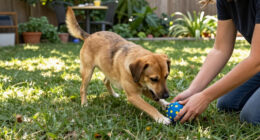
Dogs hide pain as a survival instinct to avoid appearing vulnerable or weak. Unlike humans, they rarely vocalize discomfort openly, instead showing subtle signs like changes in activity, posture, or grooming habits. You might miss early warning signs if you’re not paying close attention, which can delay treatment. Understanding these quiet cues is essential for catching issues early. Stick with me to learn more about how to spot these hidden signals before it’s too late.
Prime for Young Adults — start your free trial
Fast free delivery, streaming and member deals for eligible 18–24 year olds.
As an affiliate, we earn on qualifying purchases.
Key Takeaways
- Dogs instinctively hide pain to avoid appearing vulnerable to predators or rivals.
- Their subtle behavioral changes often signal discomfort before physical symptoms emerge.
- Vocalization is minimal; instead, dogs show pain through posture, activity level, or grooming habits.
- Owners may overlook signs due to dogs’ natural tendency to conceal suffering.
- Early detection relies on attentive observation of minor behavioral shifts, as dogs aim to mask pain.
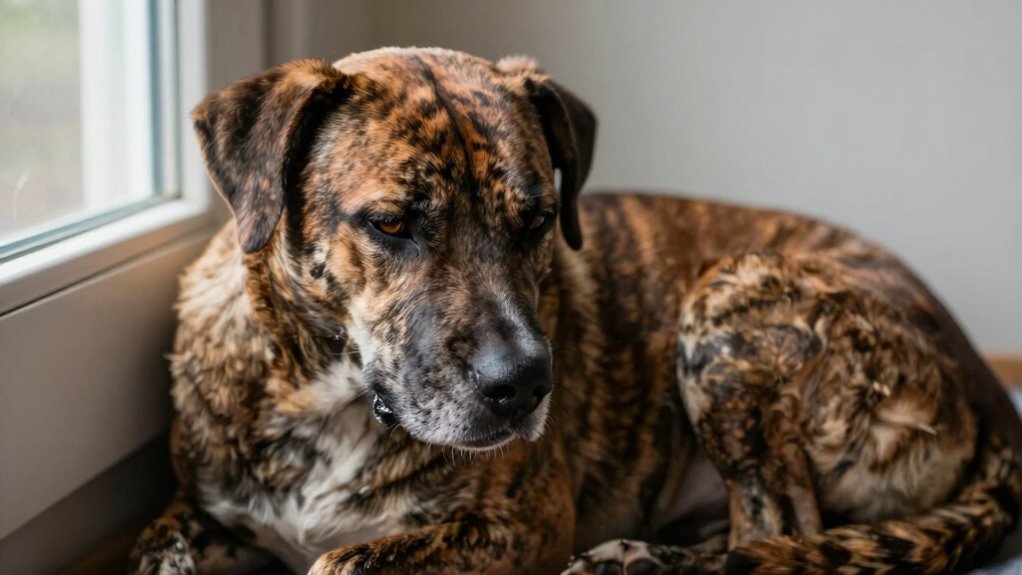
Dogs are often experts at concealing their pain, making it challenging for owners to recognize when something’s wrong. Unlike humans, who tend to vocalize discomfort or clearly show signs of distress, dogs instinctively hide their pain as a survival trait. This natural tendency means you might overlook subtle changes in their behavior until the pain becomes severe. That’s why understanding the nuances of canine behavior analysis is essential. By paying close attention to minor shifts in their daily routines, you can catch early signs of discomfort that may otherwise go unnoticed.
Dogs hide their pain, so careful observation of subtle behavioral changes is crucial for early detection.
Veterinary diagnostics play a crucial role in uncovering hidden issues your dog might be experiencing. Regular check-ups allow your veterinarian to perform thorough examinations and run tests that reveal underlying problems before they escalate. But diagnostics alone aren’t enough; your keen observation adds a vital layer of insight. Noticing slight alterations in your dog’s activity levels, appetite, or posture can be the first steps toward identifying pain. For instance, a dog that suddenly becomes less playful or avoids jumping might be experiencing discomfort. Similarly, if they seem more irritable or hesitant to move, these behavioral shifts could be linked to pain.
You should also watch for changes in their grooming habits, sleep patterns, or vocalizations. Dogs in pain often develop habits like licking or biting at a specific spot, or they may become less responsive to touch. Sometimes, they might adopt a different gait or favor one limb, which can be subtle signs of injury or illness. Recognizing these clues requires not only attentiveness but also an understanding of their normal behavior. Over time, you’ll develop a better sense of what’s typical for your dog and what might indicate trouble. Additionally, understanding canine pain concealment helps owners stay alert to these subtle cues. Being aware of the behavioral signs of pain can further enhance your ability to act promptly. Developing a keen observational skill is key to noticing these minor but important changes. Recognizing early pain indicators can make a significant difference in your dog’s recovery and overall well-being.
It’s important to remember that dogs don’t complain or complain loudly. Instead, they communicate discomfort through behavior. That’s why combining canine behavior analysis with veterinary diagnostics is so effective. When you notice potential signs of pain, early intervention can prevent minor issues from turning into serious health problems. The sooner you act, the better your chances of managing their condition with less stress and discomfort. Regularly educating yourself about canine health indicators can also improve your responsiveness. By staying observant and maintaining regular veterinary visits, you help guarantee your dog doesn’t suffer in silence. After all, your attentiveness could be the key to detecting pain early and providing the care they need to stay happy and healthy.
As an affiliate, we earn on qualifying purchases.
Frequently Asked Questions
How Can I Tell if My Dog Is in Pain Despite Hiding It?
You can tell if your dog is in pain by observing their body language, such as limping, whimpering, or changes in posture. Watch for subtle signs like ear or tail position, or reluctance to move. Use pain management techniques like gentle handling and providing a comfortable resting spot. Regularly monitor their behavior, and if you notice any signs, consult your vet promptly to guarantee they get the care they need.
Are Some Dog Breeds Better at Hiding Pain Than Others?
Some breeds excel at pain camouflage due to breed resilience, making it harder for you to notice their discomfort. Imagine a stoic statue, unmoving and calm, even if underlying pain simmers beneath the surface. Breeds like Dachshunds or Greyhounds often hide pain better than others, thanks to their natural resilience. You need to pay close attention to subtle changes, as their tendency to mask pain can be quite strong.
What Signs Indicate Chronic Pain in Dogs?
Chronic pain in dogs can be subtle, but you can spot it through changes in their emotional resilience and pain expression. Look for persistent limping, reluctance to move, or difficulty getting up. Notice if they become less playful or seem withdrawn. Changes in appetite, excessive licking, or vocalizations also signal discomfort. Your attentive observation helps you catch these signs early, ensuring your dog gets the care they need.
How Does a Dog’s Age Affect Their Pain Hiding Behavior?
As your dog ages, their pain hiding behavior shifts from puppy vulnerability to senior resilience. Puppies often hide pain to protect themselves, making it harder for you to notice discomfort early. Conversely, senior dogs may hide pain less as resilience wanes, but they still try to conceal it. Recognize subtle signs and monitor their behavior closely, regardless of age, to guarantee you catch pain early and provide proper care.
Can Training Help Dogs Express Their Pain More Openly?
Absolutely, training can help your dog express pain more openly. Think of it as teaching a new language—body language and vocal cues become clearer signals. By consistently encouraging your dog to communicate discomfort, you help them overcome their instinct to hide pain. This way, you notice subtle signs earlier, ensuring prompt care. With patience and positive reinforcement, your dog learns it’s safe to share when they’re hurting, strengthening your bond and their well-being.
As an affiliate, we earn on qualifying purchases.
Conclusion
You might think your dog’s just being stubborn or lazy, but in reality, they could be hiding a pain so intense it’s like carrying a mountain on their tiny shoulders. Dogs are masters of concealment, often masking their discomfort better than most owners realize. By paying close attention to subtle changes, you can catch signs early. Remember, your vigilance can be the key to saving your furry friend from suffering silently—because their pain shouldn’t stay hidden in the shadows.
As an affiliate, we earn on qualifying purchases.
As an affiliate, we earn on qualifying purchases.
NFL season / tailgating Picks
team gear
As an affiliate, we earn on qualifying purchases.