
TL;DR

Get pet supplies delivered free with Prime
- Fast, free delivery on millions of items
- Prime Video, Amazon Music and more included
- Member-only deals all year
Pet food recalls have raised concerns about safety. This guide explains how to identify safe products through label reading and proper storage. Staying informed helps protect your pet amid ongoing recalls.
Recent pet food recalls have underscored the importance of scrutinizing product labels and proper storage to ensure pet safety. Authorities and manufacturers are issuing alerts, prompting pet owners to verify the safety of their pet meals amid ongoing recalls.
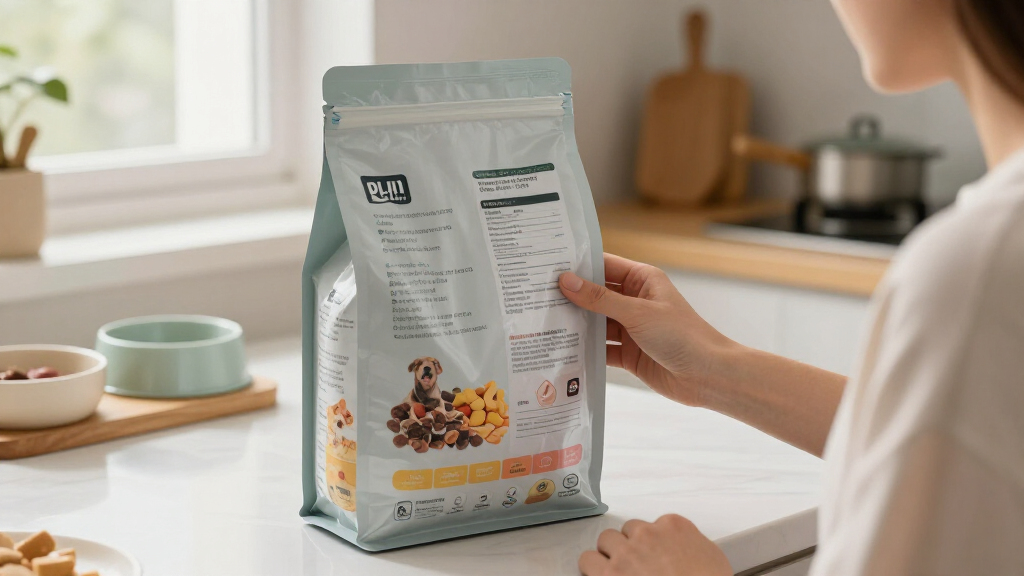
Multiple pet food brands have announced voluntary recalls due to contamination concerns, including potential presence of harmful substances. Pet owners are advised to check product labels carefully for recall notices, batch numbers, and expiration dates. Experts emphasize that reading labels thoroughly can help identify recalled or unsafe products.
Additionally, proper storage of pet food is crucial, especially during recalls. Keeping unopened packages in a cool, dry place and segregating recalled products from regular supplies can prevent accidental consumption. The American Veterinary Medical Association recommends disposing of any recalled food safely, following local disposal guidelines.
Authorities such as the Food and Drug Administration (FDA) are providing updated lists of affected products on their websites. Pet owners are encouraged to stay informed through official channels to avoid feeding recalled products to their pets.
Why Pet Food Safety During Recalls Matters for Owners
Ensuring pet food safety during recalls is vital to prevent health issues caused by contaminated or unsafe products. Consuming recalled food can lead to symptoms like vomiting, diarrhea, or more severe health problems in pets. Staying vigilant helps protect pets from potential poisoning or long-term health effects, and prevents unnecessary vet visits or treatments.
Products Worth Considering

PetSafe Microchip Cat Door, Interior/Exterior, Multi-Pet, 4-Way Lock

PETLIBRO RFID Automatic Cat Feeder with Wi-Fi and Diet Tracking

Shark Rocket Pet Plus Corded Stick Vacuum, Bordeaux, HV322
As an affiliate, we earn on qualifying purchases.
Recent Pet Food Recalls and Consumer Guidance
Over the past month, several brands, including well-known manufacturers, have issued voluntary recalls after discovering contamination with substances such as aflatoxins or bacteria. The FDA has issued safety alerts and updated lists of affected products. Pet owners are urged to review their supplies and follow recommended disposal procedures.
Industry experts note that recalls have become more frequent due to increased testing and stricter safety standards. This has heightened awareness among consumers about reading labels carefully and storing pet food properly to avoid accidental ingestion of unsafe products.
“We are actively updating the list of affected pet food products and recommend consumers stay informed through our official website.”
— FDA spokesperson
What Details About Recalled Products Are Still Unclear
It is not yet clear how many pets have been affected by the recent recalls or the full scope of contamination. The exact sources and distribution channels of the contaminated batches are still under investigation. Additionally, the long-term health effects of consuming these products remain uncertain, and manufacturers are conducting further testing.
Next Steps for Pet Owners and Industry Oversight
Pet owners are advised to check official recall lists regularly and dispose of any affected products safely. Manufacturers are expected to improve quality control measures, and regulators will continue monitoring and issuing updates. Future guidance may include enhanced labeling standards and public awareness campaigns to prevent similar incidents.
Key Questions
How can I identify if my pet’s food is part of a recall?
Check the product label for batch numbers, expiration dates, and recall notices. Visit official sources like the FDA website for updated lists of affected products.
What should I do if I find a recalled product in my home?
Discontinue feeding it immediately and dispose of it safely according to local waste disposal guidelines. Clean storage areas to prevent accidental consumption.
How can I store pet food safely during a recall?
Keep unopened packages in a cool, dry place away from sunlight. Segregate any recalled items from regular supplies and ensure they are disposed of properly.
Are there health risks if my pet eats a recalled product?
Potential risks include symptoms like vomiting, diarrhea, or more severe health issues depending on the contaminant. Consult your veterinarian if your pet shows signs of illness after consuming suspect food.
Will manufacturers improve safety measures after these recalls?
Industry experts expect manufacturers to enhance quality control and labeling standards to prevent future incidents, supported by tighter regulatory oversight.
Source: rss