
Many dogs do better on smaller, more frequent meals because it aligns with their natural eating habits and digestive needs. This approach helps maintain steady blood sugar levels, reduces the risk of discomfort, and supports dogs with sensitive stomachs or health issues. It also makes portion control easier and promotes better overall digestion. If you want to understand how adjusting meal size can benefit your dog’s health, there’s more to discover below.
Key Takeaways
- Smaller, frequent meals support better digestion and reduce discomfort, especially in sensitive or health-compromised dogs.
- They help maintain stable blood sugar levels, preventing energy dips and overeating.
- Mimic dogs’ natural eating instincts, reducing gulping and preventing bloating.
- Aid in weight management and prevent obesity by controlling portion sizes and hunger cues.
- Decrease mealtime stress and anxiety, promoting overall well-being and consistent energy levels.
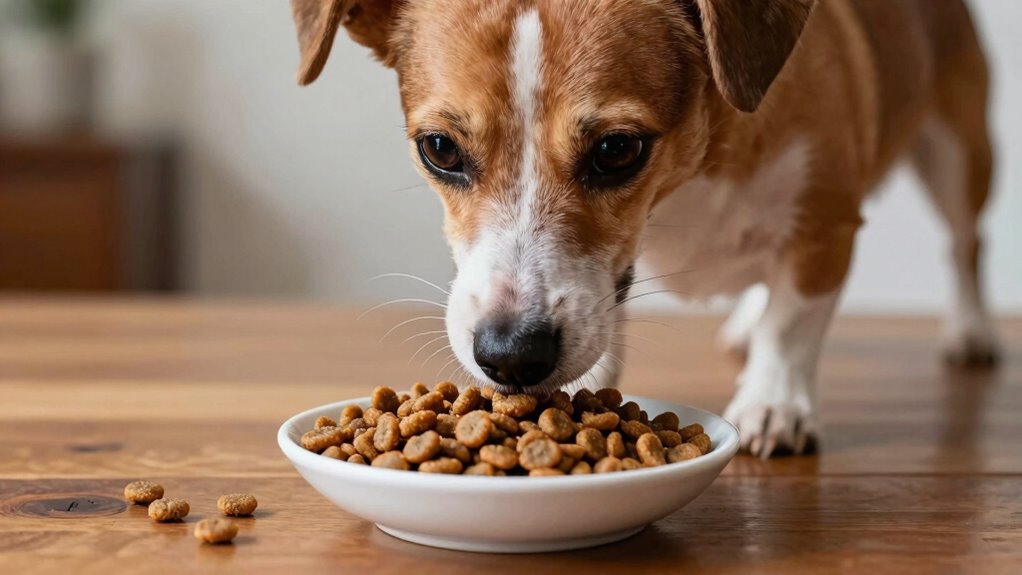
Many dogs thrive on smaller, more frequent meals because this feeding pattern better aligns with their digestive needs and energy levels. If you’ve noticed your dog seems more comfortable or energetic when fed this way, it’s probably because their dietary preferences favor this approach. Unlike larger, infrequent meals, smaller portions given throughout the day can help maintain steady blood sugar levels and prevent digestive upset. Dogs with sensitive stomachs or certain health conditions often benefit from this feeding schedule, as it reduces the strain on their digestive system and minimizes the risk of bloating or discomfort. When you consider the feeding frequency that suits your dog’s needs, you’re fundamentally tailoring their diet to match their natural tendencies and metabolic rate. Understanding your dog’s dietary preferences is key. Some breeds or individual dogs naturally prefer smaller meals because they have faster metabolisms or are more prone to stomach disturbances. These dogs might naturally eat less at each meal but more often, mimicking their instinctual eating patterns. By adjusting their feeding frequency, you’re respecting their natural instincts and helping them avoid overeating or gulping down large amounts of food at once. This can also help manage weight more effectively, especially in dogs prone to obesity or those recovering from health issues. Additionally, natural eating habits can influence how well your dog adapts to certain feeding schedules, emphasizing the importance of observing their behavior and preferences. Incorporating feeding routines that align with your dog’s instincts can promote better digestion and overall well-being. Establishing a consistent feeding schedule can also help reduce mealtime stress, making the routine more predictable and calming for your dog. Consistency in feeding times can also support your dog’s metabolic health, helping regulate energy and digestion over the long term. Regular feeding routines can also help prevent overeating caused by hunger cues, which are often misinterpreted by owners. Feeding smaller meals more frequently also offers practical benefits. It can give you more control over portion sizes and ensure your dog gets a consistent intake of nutrients throughout the day. This consistency supports stable energy levels, which is especially important if your dog has a busy schedule or specific health needs. Plus, many dogs find this routine less stressful, as they don’t have to wait long periods without food, reducing anxiety or begging behaviors. Ultimately, choosing the right feeding frequency depends on your dog’s individual needs and preferences. Some dogs do well on three meals a day, while others thrive with four or even five smaller servings. Pay attention to how your dog reacts: if they seem happier, have fewer digestive issues, and maintain a healthy weight, you’re probably on the right track. Adjustments might be necessary as your dog ages or if their health changes, but listening to their cues and understanding their dietary preferences will always help you make the best decision. By aligning their feeding schedule with their natural tendencies, you set them up for a healthier, more comfortable life.

Hubulk Pet Dog Bowls 2 Stainless Steel Dog Bowl with No Spill Non-Skid Silicone Mat + Pet Food Scoop Water and Food Feeder Bowls for Feeding Small Medium Large Dogs Cats Puppies (S, Pink)
- Complete Dinner Set: Includes 2 bowls for food and water
- Multiple Sizes Available: S, M, L, XL for different pets
- Food Grade Materials: Made of stainless steel and BPA-free silicone
As an affiliate, we earn on qualifying purchases.
As an affiliate, we earn on qualifying purchases.
Frequently Asked Questions
How Can I Tell if My Dog Needs Smaller Meals?
You can tell if your dog needs smaller meals by observing their behavior and health. If they seem hungry often, have digestive issues, or gain weight easily, adjusting the feeding frequency and meal portioning might help. Monitor their energy levels and stool consistency, and consult your vet for personalized advice. Smaller, more frequent meals can improve digestion and prevent overeating, ensuring your dog stays healthy and happy.
Are There Health Risks to Larger Meals for Dogs?
Yes, larger meals can pose health risks to your dog, especially if portion control isn’t maintained. Overfeeding risks include obesity, which strains joints and organs, and can lead to diabetes or heart problems. Feeding bigger portions occasionally might be okay for active, large breeds, but regularly giving large meals without monitoring can harm your dog’s health. Always follow your vet’s advice and stick to proper portion control to keep your dog healthy.
How Does Meal Size Affect a Dog’s Energy Levels?
Imagine your dog’s energy as a flickering flame; meal size can either fuel or smother it. Smaller, frequent meals keep the flame steady, optimizing dietary timing and nutrient absorption. Larger meals can cause energy crashes, leaving your pup sluggish. When you manage portion size wisely, you help maintain a consistent, vibrant energy level, ensuring your furry friend stays lively and happy throughout the day.
Can Changing Meal Size Improve My Dog’s Digestion?
Yes, changing meal size can improve your dog’s digestion. By practicing portion control and adjusting meal frequency, you can reduce digestive strain and prevent issues like bloating or upset stomach. Smaller, more frequent meals help your dog process food more efficiently, promoting better nutrient absorption and overall gut health. Pay attention to how your dog responds to these changes, and consult your vet for personalized recommendations.
Are Smaller Meals Better for All Dog Breeds?
You’ve heard the saying, “One size doesn’t fit all,” and it’s true for dog diets too. Smaller meals aren’t necessarily better for all breeds because dietary preferences and breed differences matter. Some dogs thrive on multiple small meals, while others do fine with fewer larger ones. Consider your dog’s size, age, and activity level to determine the best approach. Consulting your vet can help tailor a plan suited to your furry friend’s unique needs.
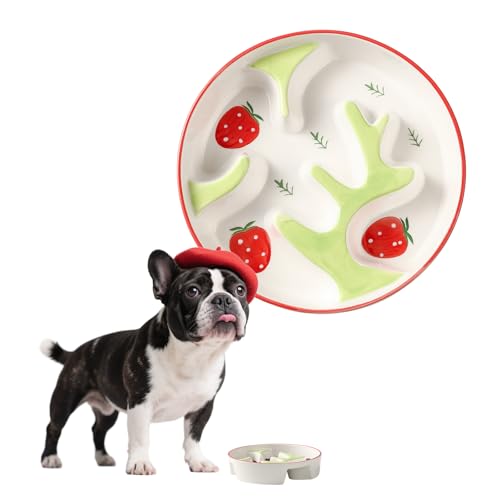
Ceramic Slow Feeder Dog Bowl – Portion Control Feeding Bowl for Medium Dogs – Cute Maze Food Dish for Fast Eaters – 3.1 Cups (310 g) – Doodle Series (Strawberry)
- Unique Hand-Painted Design: Each bowl is a one-of-a-kind artwork
- Promotes Slow Eating: Maze obstacles reduce gulping and bloating
- Safe Food-Grade Ceramic: Lead-free, microwave, and dishwasher safe
As an affiliate, we earn on qualifying purchases.
As an affiliate, we earn on qualifying purchases.
Conclusion
If you switch to smaller meals, you’ll discover a world where your dog feels more energetic, happier, and healthier—almost like they’ve been given a secret superpower. By feeding them smaller, more frequent meals, you’re revealing their full potential and preventing issues like bloating or digestive discomfort. So, don’t underestimate the power of tiny portions—you might just transform your furry friend’s life and make every day a tail-wagging celebration!

Zesty Paws Probiotics for Dogs – Gut Health for Dogs, Pumpkin, 90 Ct
- Flavor: Yummy soft chew for dogs
- Key Ingredient: Contains clinically studied DE111
- Health Support: Supports gut flora and digestion
As an affiliate, we earn on qualifying purchases.
As an affiliate, we earn on qualifying purchases.

Outward Hound Fun Feeder Slo Bowl – Large 4‑Cup Capacity, Slow Feeding, Medium to Large Dogs, Non‑Slip, Turquoise, Drop Pattern
- Capacity: Holds 4 cups of food
- Feeding Speed: Slows down eating up to 10X
- Design: Deep maze puzzle for engagement
As an affiliate, we earn on qualifying purchases.
As an affiliate, we earn on qualifying purchases.