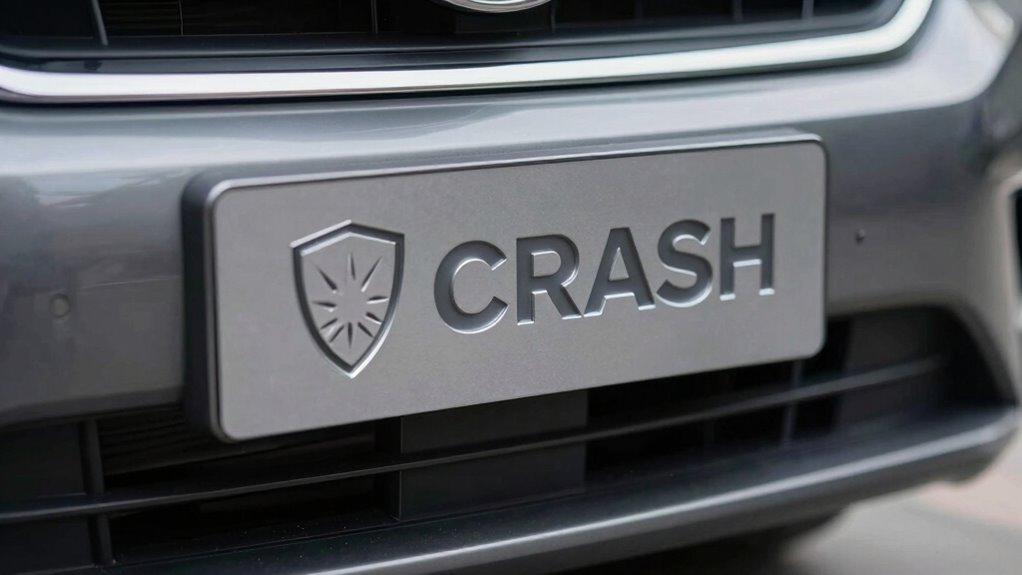
A crash-tested label shows that safety tests have been performed on a vehicle or product, confirming it meets certain safety standards. It indicates the vehicle’s performance in specific crash scenarios like frontal or side impacts, helping you compare safety objectively. However, it doesn’t reveal detailed test results or cover every crash type. To understand what these labels really mean and their limitations, keep exploring how they fit into overall vehicle safety.
Key Takeaways
- Crash-test labels indicate safety tests were conducted and standards met, offering reassurance without revealing detailed results.
- They are produced by independent agencies using standardized crash scenarios to ensure comparable safety assessments.
- Labels focus on vehicle structure and occupant protection but do not cover all safety features or real-world crash conditions.
- Understanding testing standards helps interpret safety ratings, which vary among organizations and may have limitations.
- Overall vehicle safety depends on additional factors like safety features and driving habits beyond crash-test labels.
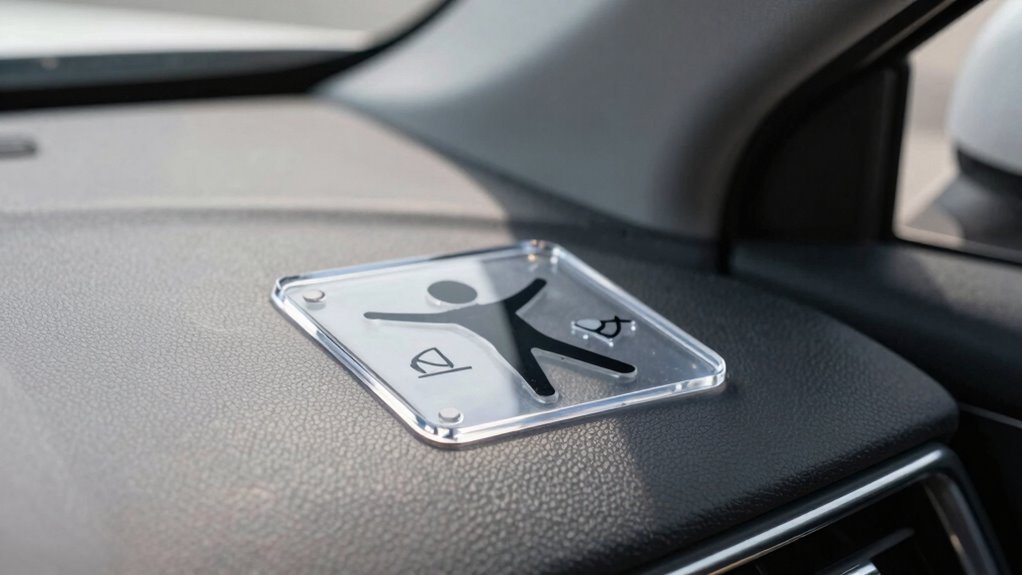
When you see a crash-tested label on a product or vehicle, it’s a quick way to understand that safety tests have been conducted and the item has met specific standards. These labels are intended to provide reassurance about vehicle safety, but they can sometimes be misleading or confusing. Many labels don’t tell you the full story behind the testing process or what the results truly mean. Instead of relying solely on marketing claims, it’s better to understand what a crash-tested label signifies about the testing standards the vehicle has met.
Crash-test labels are usually issued by independent safety organizations or government agencies that evaluate vehicles through standardized crash tests. These tests mimic real-world accidents, like frontal impacts, side collisions, or rollover scenarios, to assess how well a vehicle protects its occupants. When a vehicle passes these rigorous tests, it receives a safety rating, which is often displayed on the label. This rating helps you compare vehicle safety more objectively, but it’s important to recognize that no single test can cover every safety aspect. For example, a high crash-test rating doesn’t necessarily mean a vehicle is the safest in all situations, but it does indicate that it meets or exceeds the specific testing standards set by the evaluating agency.
The testing standards used during these evaluations are designed to be consistent and repeatable, so different vehicles can be compared fairly. These standards specify the types of crash scenarios to test, the velocity of impact, and the criteria for safety performance. When a vehicle earns a crash-tested label, it has demonstrated a certain level of protection according to these standards. Additionally, understanding the testing standards involved can help consumers make more informed safety decisions. It’s also helpful to compare labels from different organizations, as they may evaluate vehicles using varying criteria, which can influence the safety ratings assigned. Moreover, knowing the limitations of crash tests can help you better interpret what a safety rating truly means. Recognizing that crash tests primarily evaluate structural integrity and occupant protection, it’s important to consider other safety features and driving habits as well. Some safety aspects, such as driver assistance systems, are not typically measured in crash tests but can significantly impact overall safety. But keep in mind, the label doesn’t reveal the details of every safety feature, such as seatbelt design, airbags, or structural integrity. Instead, it reflects how well the vehicle performs under the specific crash conditions tested.

Crash Test Dummy Hard Hat Sticker / Helmet Decal Label Lunch Tool Box
High Quality 3M Glossy Vinyl
As an affiliate, we earn on qualifying purchases.
As an affiliate, we earn on qualifying purchases.
Frequently Asked Questions
How Are Crash-Test Ratings Different Across Countries?
Crash-test ratings differ across countries due to varying safety technology standards and regulatory differences. You’ll find that some nations emphasize side-impact or pedestrian safety more than others, affecting ratings. Regulations influence the testing protocols, so a vehicle rated highly in one country might not meet another’s standards. Always check local crash-test results, as they reflect the specific safety priorities and technology regulations of each country, helping you make informed decisions.
What Materials Are Used in Crash-Tested Car Seats?
Think of crash-tested car seats as sturdy castles built with a mix of materials. You’ll find fabrics chosen for durability, able to withstand wear and tear like armor. Inside, foam compression absorbs shocks, like a springy mattress cushioning you from jolts. These materials work together to protect your child, ensuring the seat remains strong and supportive during a crash, giving you peace of mind in every ride.
Do Crash-Test Labels Consider All Accident Types?
Crash-test labels primarily focus on standard accident types like frontal and rear impacts, but they don’t always cover all situations, such as side impacts. For child safety, it’s essential you look for seats tested for side impact protection, as this adds an extra layer of security during accidents. Remember, extensive testing helps guarantee your child’s safety in various crash scenarios, so always check the certification details carefully.
How Often Are Crash-Test Standards Updated?
Imagine a safety net that evolves as new threats appear—crash-test standards do get updated regularly. Manufacturers incorporate the latest safety innovations, and testing procedures become more rigorous every few years. These updates guarantee your car keeps pace with advancements, minimizing risks. Staying informed about these changes helps you understand how current crash-test labels reflect the most recent safety measures, giving you confidence that your vehicle offers maximum protection on the road today.
Can Crash-Test Labels Predict Real-World Crash Outcomes?
Crash-test labels give you a good idea of a car’s safety, but they can’t predict real-world crash outcomes perfectly. They test specific scenarios like rear impact testing and side impact safety, helping you compare models. However, actual crashes involve many unpredictable factors. So, while these labels are helpful, you should also consider overall safety ratings, your driving habits, and additional safety features for an all-encompassing view.
Crash Test Dummy Hard Hat Sticker / Helmet Decal Label Lunch Tool Box
High Quality 3M Glossy Vinyl
As an affiliate, we earn on qualifying purchases.
As an affiliate, we earn on qualifying purchases.
Conclusion
Now that you understand what the crash-tested label really means, you can make smarter choices and avoid being fooled by flashy marketing. Think of the label as your trusty compass in a sea of car safety claims, guiding you to truly safe options. With this knowledge, you’re not just shopping—you’re steering your family’s safety away from potential disaster. Remember, this label is your shield in a world full of shiny, but sometimes misleading, promises.

ASP Audio Crash Course – A complete Review for the Associate Safety Professional Certification Exam (Audio Crash Course Series)
As an affiliate, we earn on qualifying purchases.
As an affiliate, we earn on qualifying purchases.

XOOL Emergency Warning Triangle Kit – Roadside Safety Kit with Reflective Warning Triangles, High-Visibility Safety Vests, Storage Bag & Gloves for Car Breakdowns & Emergencies
Essential Roadside Safety Kit: Be prepared for unexpected roadside emergencies with the XOOL Emergency Safety Kit. Whether it’s…
As an affiliate, we earn on qualifying purchases.
As an affiliate, we earn on qualifying purchases.