
Using treat-toss cameras without proper training can unintentionally encourage demand barking. If you reward your dog’s barking, jumping, or demanding behavior with treats, they’ll start to expect treats whenever they bark or act excited. This reinforces demand behaviors instead of calm responses. To avoid this, focus on rewarding patience and calmness, and limit treats to reinforce positive, relaxed behavior. Keep this in mind—there’s more to learn about preventing demand barking effectively.
Key Takeaways
- Tossing treats randomly can reinforce demand barking when dogs associate treats with barking or jumping.
- Over-rewarding for behaviors like looking at the camera can encourage demand behaviors instead of calmness.
- Failing to set boundaries or teach patience leads dogs to expect treats for demanding actions.
- Rewarding demand behaviors instead of calm responses reinforces the habit of barking or jumping for treats.
- Proper training focusing on calm, respectful behavior reduces the likelihood of demand barking becoming habitual.
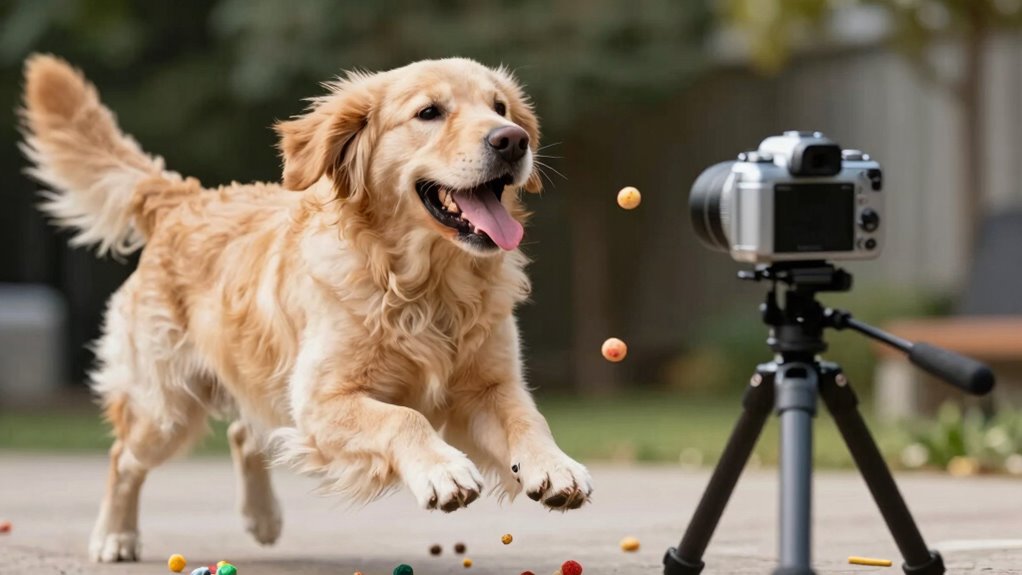
Have you ever wondered how some pet owners capture their furry friends’ funniest moments? Many of these owners rely on treat-toss cameras to get those candid, adorable shots. But what they don’t realize is that this seemingly harmless method can backfire, especially when it comes to training. Relying heavily on treat-toss cameras can inadvertently teach your dog to bark excessively, creating demand barking that’s tough to break. It all comes down to how you use positive reinforcement and training techniques.
Treat-toss cameras can unintentionally encourage demand barking in dogs.
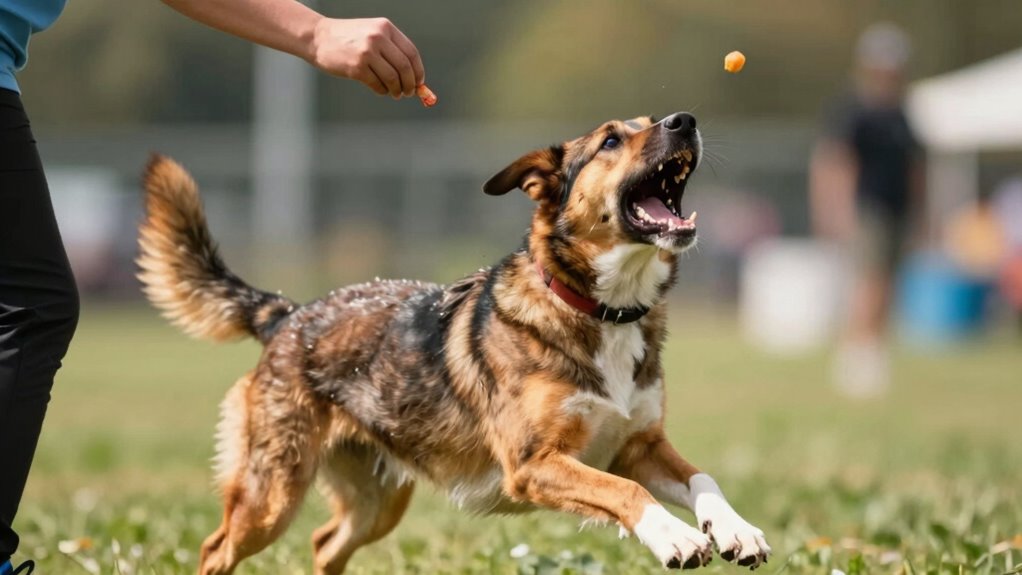
When you use treat-toss cameras to reward your dog whenever they look at the camera or perform a specific action, you’re applying positive reinforcement. That’s a good thing in principle, but it can become problematic if your dog starts to associate the camera with a reward every time they see it. Over time, this can lead your dog to bark or get overly excited whenever they see the camera, expecting a treat. This demand barking isn’t just disruptive; it can also make it harder to train your dog to remain calm and obedient.
The key mistake is in how you’re applying training techniques. If your goal is to get a cute photo or video, it’s tempting to toss treats whenever your dog looks at the camera or performs a certain trick. But if you’re not careful, you’re reinforcing the barking and demand behaviors instead of teaching your dog to stay quiet and patient. Instead of rewarding every glance or action, you need to be strategic. Use treats sparingly, and focus on rewarding calm behavior rather than constant attention or demand for treats.
Another common mistake is failing to set boundaries with your dog. When treats are thrown indiscriminately, your dog quickly learns that barking or jumping increases their chances of getting a treat. This can escalate demand barking, as they realize that barking loudly or persistently gets results. You should instead teach your dog to remain calm and reward them for quiet patience. That means only giving treats when they’re calm and not demanding attention.
The best approach is to combine positive reinforcement with clear training techniques. Use treats selectively, and reward your dog for good behavior, not demand behaviors. Train your dog to associate the camera with calmness rather than excitement. By doing this, you prevent demand barking from becoming a habit, and you create a more controlled environment for capturing those funny moments. Remember, the goal isn’t just to get a good shot but to build a healthy, respectful relationship where your dog understands what’s expected. Proper training will make your pet happier and your photo sessions more enjoyable for everyone involved. Additionally, understanding how to implement reliable training methods can greatly improve your results.
Frequently Asked Questions
How Do Treat-Toss Cameras Impact Long-Term Behavior Training?
Treat-toss cameras can hinder long-term behavior training because they rely on inconsistent positive reinforcement, which may lead to demand barking. When you use them, your dog might expect treats every time they bark or behave a certain way, causing dependency. This approach complicates behavior modification, making it harder for your dog to learn self-control. Instead, focus on steady, real-time positive reinforcement to build lasting good habits.
Are Treat-Toss Cameras Suitable for All Dog Breeds?
Treat-toss cameras aren’t suitable for all dog breeds because breed compatibility plays a big role. Some breeds may become overly excited or anxious with this type of training tool. Also, you should consider camera limitations, like limited interaction or inability to correct behavior effectively. Always assess your specific dog’s temperament and needs before using treat-toss cameras, and consider other training methods if needed for your breed.
What Safety Precautions Should Be Taken With Treat-Toss Cameras?
You should prioritize dog safety by always supervising treat-toss camera use. Make sure you place the camera securely in a spot where it won’t fall or cause injury. Keep an eye on your dog’s reactions and avoid overfeeding treats, which can lead to health issues. Proper camera placement and attentive monitoring are essential to prevent accidents and ensure your pup’s safety while enjoying the fun. It’s a game-changer, but safety first!
Can Treat-Toss Cameras Help With Separation Anxiety?
Treat-toss cameras can help reduce your pet’s separation anxiety by providing positive reinforcement and distraction. Their treat efficacy encourages calm behavior, making your pet feel more secure when you’re away. As your pet develops trust through consistent, stress-reducing interactions, they gradually become more comfortable with separation. Just make certain you use the camera thoughtfully, maintaining a routine that promotes calmness and minimizes stress during your absence.
How Do Treat-Toss Cameras Compare to Traditional Training Methods?
Treat-toss cameras offer a modern approach that emphasizes positive reinforcement and training consistency. Unlike traditional methods, they let you reward your dog immediately, reinforcing good behavior even when you’re not nearby. This real-time encouragement helps prevent demand barking caused by frustration or anxiety. By using treat-toss cameras, you actively shape your dog’s responses, making training more engaging and effective. They’re a valuable tool for building trust and encouraging calm, obedient behavior.
Conclusion
Remember, treating your cameras like treat-tossing toys is a mistake. They’re not just tools—they’re symbols of trust and patience. When you rush or misuse them, you risk turning their purpose into demand barking, like a dog craving attention. Instead, nurture a calm, respectful bond, and your cameras will respond with loyalty and clarity. Treat them with care, and they’ll quietly watch over your world, silent guardians in the shadows.